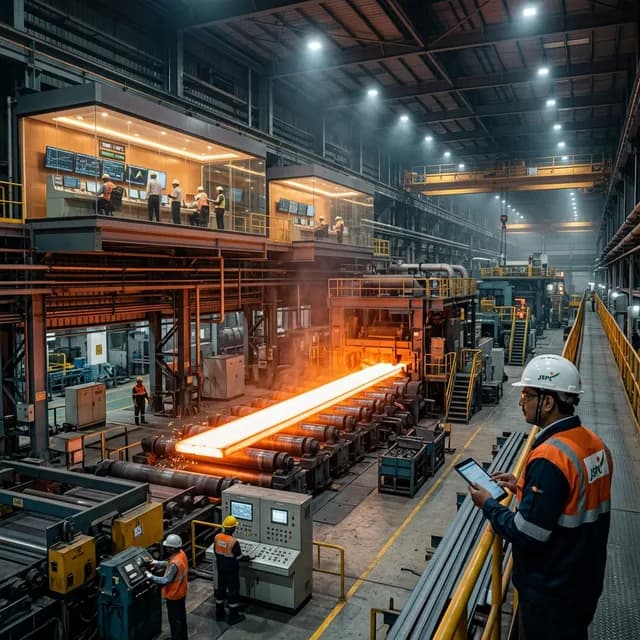
Key Takeaways
- Mobile CBAM data capture systems reduce manual reporting errors by up to 73% compared to paper-based methods
- Real-time production monitoring through mobile platforms ensures continuous compliance with EU Regulation (EU) 2023/956 requirements
- Integration with existing ERP systems enables automated carbon intensity calculations for steel production processes
- Cloud-based mobile solutions provide immediate data validation and regulatory alignment verification
- Standardized mobile interfaces reduce operator training time from 40 hours to 12 hours for CBAM compliance protocols
Understanding Mobile CBAM Data Requirements
The Carbon Border Adjustment Mechanism under Regulation (EU) 2023/956 mandates precise documentation of embedded carbon emissions for steel exports to the European Union. Traditional paper-based or desktop-only systems create significant operational bottlenecks at production sites, particularly in integrated steel plants where multiple furnaces, rolling mills, and auxiliary equipment operate simultaneously across vast industrial complexes.
Mobile solutions address these challenges by enabling real-time data capture at the point of production. Steel manufacturing processes generate carbon emissions through multiple pathways: direct emissions from coke combustion in blast furnaces, indirect emissions from purchased electricity consumption, and process emissions from limestone decomposition in steelmaking. Each emission source requires continuous monitoring and documentation to establish accurate carbon intensity values per tonne of finished steel product.
The regulatory framework demands granular tracking of production batches, energy consumption patterns, and raw material inputs. Mobile platforms facilitate this requirement by providing operators with immediate access to data entry interfaces directly at furnace control stations, rolling mill operations, and quality control checkpoints. This proximity-based approach eliminates data transcription delays and reduces the risk of measurement errors that could compromise CBAM compliance.
Technical Architecture for Production Site Implementation
Mobile CBAM data capture systems require robust technical architecture capable of operating in harsh industrial environments. Steel production facilities present unique challenges including extreme temperatures, electromagnetic interference from electric arc furnaces, and dust contamination that can affect mobile device performance.
The core system architecture consists of ruggedized mobile devices connected to centralized data processing servers through industrial-grade wireless networks. These devices must maintain IP65 or higher ingress protection ratings to withstand the corrosive atmosphere typical of steelmaking operations. Battery life becomes critical during extended production campaigns, particularly during blast furnace campaigns that can run continuously for 15-20 days.
Data synchronization protocols ensure that emission measurements captured on mobile devices integrate seamlessly with plant-wide process control systems. This integration enables automatic correlation between production parameters such as steel grade specifications, tap-to-tap times, and energy consumption readings. The mobile interface presents operators with pre-configured data entry templates specific to each production unit, reducing input complexity while maintaining regulatory compliance standards.
Cloud-based data storage provides immediate backup and enables real-time validation against CBAM reporting requirements. The system architecture includes redundant communication pathways to prevent data loss during network outages, which are common in heavy industrial environments due to electrical load variations and equipment interference.
Real-Time Emission Monitoring Integration
Mobile CBAM platforms excel in their ability to integrate with existing continuous emission monitoring systems (CEMS) installed throughout steel production facilities. These integrations enable automatic data population for key emission parameters, reducing manual data entry requirements while improving accuracy.
Blast furnace operations generate the majority of direct CO2 emissions in integrated steel plants. Mobile interfaces connect directly to furnace control systems to capture real-time data on coke consumption rates, hot metal production volumes, and flue gas composition. Operators use mobile devices to verify automated readings and input manual corrections when sensor calibration issues occur.
Electric arc furnace operations require different monitoring approaches due to their batch-based production cycles. Mobile systems track electrode consumption, scrap steel input quantities, and electrical energy consumption for each heat. The mobile interface calculates specific energy consumption values automatically, enabling immediate comparison against established benchmarks for similar steel grades.
Rolling mill operations contribute primarily through electricity consumption for motor drives and heating furnaces. Mobile data capture systems monitor power consumption patterns and correlate them with production tonnages to establish accurate carbon intensity factors for finished products. This real-time correlation ensures that carbon accounting remains synchronized with actual production output.
See what CBAM will cost your buyer
Free 30-second check — pick your product and tonnage, get your buyer-side savings number.
Data Validation and Quality Assurance Protocols
Mobile CBAM systems incorporate multi-layer validation protocols to ensure data integrity and regulatory compliance. Primary validation occurs at the point of data entry through range checks, consistency algorithms, and cross-referencing with historical production patterns.
The mobile interface implements mandatory field validation to prevent incomplete data submissions. Operators cannot advance to subsequent data entry screens until all required fields contain validated information. This forced validation approach reduces downstream data quality issues that could compromise CBAM reporting accuracy.
Secondary validation occurs through automated comparison with plant-wide mass and energy balance calculations. The mobile system flags discrepancies between operator-entered data and calculated values derived from process control systems. These flags trigger immediate review protocols, requiring supervisory approval before data acceptance.
Tertiary validation involves periodic calibration verification for all measurement instruments connected to the mobile data capture system. The mobile interface maintains calibration schedules and generates alerts when instruments approach calibration due dates. This proactive approach prevents measurement drift that could accumulate into significant reporting errors over extended production periods.
Integration with Enterprise Resource Planning Systems
Successful mobile CBAM implementation requires seamless integration with existing Enterprise Resource Planning (ERP) systems used for production planning, inventory management, and financial reporting. This integration eliminates data silos and ensures consistent carbon accounting across all business functions.
The mobile platform exchanges data with ERP systems through standardized API connections that maintain real-time synchronization. Production orders generated in the ERP system automatically populate mobile interfaces with relevant product specifications, enabling operators to associate emission data with specific customer orders and steel grades.
Raw material consumption data flows bidirectionally between mobile CBAM systems and ERP inventory modules. This integration enables automatic calculation of upstream carbon emissions associated with purchased materials such as iron ore, coking coal, and ferroalloys. The mobile interface presents operators with pre-calculated carbon intensity values for each raw material batch, streamlining the data entry process.
Financial integration enables automatic cost allocation for carbon compliance activities. The mobile system tracks operator time spent on CBAM data collection and associates these costs with specific production campaigns. This cost tracking capability supports accurate product costing and helps identify opportunities for process optimization to reduce both emissions and compliance costs.
2025-2026 Regulatory Impact
The transitional period for CBAM implementation concludes in December 2025, after which financial obligations begin for EU importers of Indian steel products. This transition creates immediate urgency for Indian steel producers to establish robust mobile data capture systems capable of generating verifiable emission reports.
Beginning January 1, 2026, EU importers must purchase CBAM certificates corresponding to the carbon content of imported steel products. The certificate pricing mechanism links directly to EU ETS allowance prices, creating financial incentives for accurate emission reporting. Mobile CBAM systems provide the documentation precision required to minimize certificate costs for EU customers.
The European Commission has indicated that post-2025 verification requirements will include mandatory third-party auditing of production facility data capture systems. Mobile platforms that maintain comprehensive audit trails and automated data validation will significantly reduce audit preparation time and costs. Facilities without adequate mobile data capture capabilities may face extended audit periods and potential compliance penalties.
Regulatory guidance published in late 2024 emphasizes the importance of real-time data capture for complex production processes typical of integrated steel plants. Mobile solutions that provide continuous emission monitoring integration will receive preferential treatment during regulatory reviews compared to systems relying primarily on manual data entry.
Implementation Best Practices and Operator Training
Successful mobile CBAM deployment requires comprehensive operator training programs that address both technical system operation and regulatory compliance requirements. Training protocols must accommodate the diverse educational backgrounds typical of steel plant workforces while ensuring consistent data quality standards.
Initial training focuses on mobile device operation in industrial environments, including proper handling procedures, charging protocols, and basic troubleshooting techniques. Operators learn to navigate the CBAM data entry interfaces efficiently while maintaining awareness of safety requirements in hazardous production areas.
Advanced training modules cover emission calculation methodologies, data validation procedures, and integration with existing plant control systems. Operators develop competency in recognizing data anomalies that could indicate measurement system malfunctions or process upsets requiring immediate attention.
Ongoing training programs ensure operators remain current with evolving CBAM regulatory requirements and system software updates. Monthly refresher sessions address common data entry errors and reinforce best practices for maintaining data quality standards. These sessions also provide forums for operators to share experiences and suggest system improvements based on practical operational challenges.
Cybersecurity Considerations for Industrial Mobile Systems
Mobile CBAM systems operating in steel production environments require robust cybersecurity measures to protect sensitive production data and maintain regulatory compliance. Industrial control system integration creates potential attack vectors that require specialized security protocols.
Network segmentation isolates mobile CBAM systems from critical production control networks while maintaining necessary data exchange capabilities. This segmentation prevents potential cyber attacks from propagating between systems and compromises production safety or continuity.
Device-level security includes encrypted data storage, secure authentication protocols, and remote wipe capabilities for lost or stolen mobile devices. These measures protect confidential production information while ensuring that CBAM compliance data remains accessible to authorized personnel.
Regular security audits verify that mobile system configurations maintain compliance with industrial cybersecurity standards such as IEC 62443. These audits identify potential vulnerabilities and ensure that security measures evolve to address emerging threats targeting industrial mobile systems.
Frequently asked questions
What are the minimum technical specifications for mobile devices used in steel plant CBAM data capture?
How does mobile CBAM data capture integrate with existing plant process control systems?
What backup procedures ensure data preservation during mobile device failures?
How do mobile systems handle data validation for complex steel production processes?
What training requirements apply to operators using mobile CBAM systems?
Compliance disclaimer
Strategies described here are for educational purposes. CBAM regulations (EU 2023/956) evolve quarterly — always verify with your accredited verifier before filing definitive reports.
We’ll do your entire CBAM quarter — ₹0.
A dedicated CBAM expert plus our AI do the whole April–June 2026 report end-to-end: your factory data in, verified actual emissions out — so your buyer pays your real number, not the inflated EU default. The report is yours to keep.
Start your report by 30 September 2026 to claim the free quarter.
Bills, logs, photos — one afternoon.
Verified actuals, EU XML, audit standard.
Yours to keep. ₹0 this quarter.
Prefer to talk? +91 76250 95885 · or run a 30-second savings check first
The complete CBAM guide for Indian exporters
The full compliance roadmap — CN codes, emissions, deadlines, penalties and how to keep your EU orders.
More CBAM guidance for Indian exporters
 Technical Compliance
How to Handle Partial Year Production Data in CBAM Calculations
Learn how to effectively manage partial year production data for CBAM compliance.
 Technical Compliance
CBAM Quarterly Data: What Your EU Buyer Asks For Every Quarter in 2026
Indian exporters, prepare for CBAM! Learn what quarterly data your EU buyers will demand from 2026 for steel, cement, aluminium, fertilizers, and hydrogen. Get practical steps for compliance and avoid penalties.
 Technical Compliance
What Your EU Importer Actually Does With the CBAM Data You Send: A Guide for Indian Exporters
Indian exporters, ever wondered what happens to your CBAM data? This guide reveals how EU importers use your emission reports to avoid penalties and optimize costs. Learn how CarbonSettle helps.