01
Your factory produces the goods
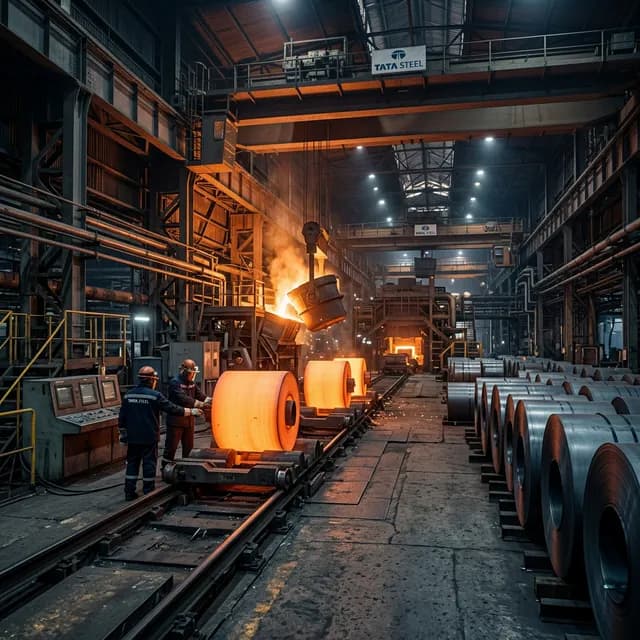
An Indian plant manufactures steel, aluminium, cement or fertilizer. CO₂ is released along the way — fuel, grid electricity, calcination and precursor inputs.
For steel, aluminium, cement, fertiliser & hydrogen exporters — what CBAM is, who must comply, the deadlines and penalties, and how verified actual emissions cut up to 40% off your EU buyer's carbon bill.
Free this quarter: a dedicated expert + our AI do your entire CBAM — the report is yours to keep.
Q1 2026 CBAM certificate price, per tCO₂e
EU default emission value vs India verified actual (steel HRC)
overpayment avoided per 1,000 t with verified actuals
from raw factory data to an EU-ready CBAM report
CBAM (Carbon Border Adjustment Mechanism) is a new EU rule — think of it as a carbon tax on imports. When your goods enter the EU, your buyer has to pay for the CO₂ that went into making them.
So your EU buyer will ask you for one thing: how much CO₂ your factory emits per tonne. Give them verified actualverified actualsYour factory's real measured emissions, checked by an EU-accredited verifier. Since January 2026 this is the only data that can replace the EU's inflated default values.Full glossary → numbers and the bill stays low. If you can't, the EU forces them to use high "default values" — and suddenly your goods cost a lot more than a European competitor's.
India is one of the biggest steel, iron and aluminium suppliers to the EU — and CBAM hits exactly these goods. In plain terms: it decides whether your price stays competitive against cleaner producers elsewhere, or your buyer quietly switches to someone who can hand over the numbers.
CBAM is not a tax on your company — it is a charge your EU buyer pays on the CO₂ embedded in your goods. The entire bill is built on one number: your emissions per tonne. Here is exactly how it flows, and where the money is won or lost.
An Indian plant manufactures steel, aluminium, cement or fertilizer. CO₂ is released along the way — fuel, grid electricity, calcination and precursor inputs.
Every tonne carries a CO₂ figure — Scope 1 + Scope 2 + precursors. This single number is what the entire CBAM bill is built on.
Your buyer's Authorised Declarant files those embedded emissions with the EU CBAM Authority — using your verified data, or punitive defaults if none was filed.
In 2026 the importer buys CBAM certificates at the quarterly Commission-published CBAM price. The official Q1 2026 price is €75.36/tCO2e.
The EU applies official default values when verified data is not available. For a 1,000 t India CN 72083900 hot-rolled steel scenario, the buyer-side default cost is about €254K before any Indian carbon-price credit.
CarbonSettle files your real, pre-verified emissions — accepted by the declarant on day one. In the same scenario, a 2.00 tCO2e/t actual-emissions file puts the buyer-side cost near €147K.
Choose a product and tonnage. We compare official default-value logic with a factory-actual scenario.
Integrated carbon steel, BF/BOF. Default 4.708 tCO2e/t; factory-actual scenario 2.00 tCO2e/t.
Whether CBAM applies to you comes down to your product's HS / CN codeCN codeCombined Nomenclature — the 8-digit EU customs code on your export invoice. This code, not your company size, decides whether a product falls under CBAM.Full glossary →. If you make any of the goods below, your EU buyer is legally required to report its emissions — so the data has to come from you. There is no size exemption; MSMEs are covered too.
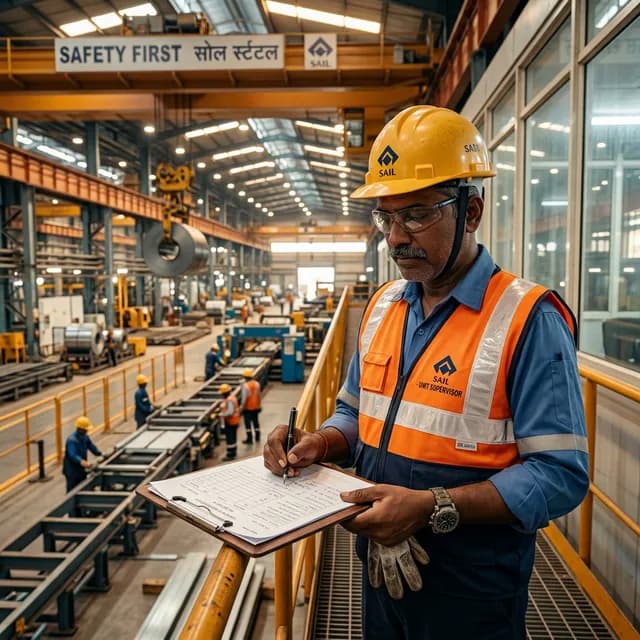
Sinter, Pig Iron, Ferro-alloys, Crude Steel, Finished Products (Fasteners, Pipes)
View Sector GuideUnwrought Aluminum, Extrusion, Foil, Structures
View Sector GuideClinkers, Portland Cement, Aluminous Cement
View Sector GuideNitric Acid, Ammonia, Nitrates, Urea
View Sector GuideElectrical energy imported into the EU
Covered · no India sector guide yetPure hydrogen
Covered · no India sector guide yetReporting only. Quarterly CBAM reports due — no payments yet, but missing or wrong data already draws €10–€50/t penalties.
Financial obligations begin. Importers buy CBAM certificates and need verified actual data. Buyers start delisting suppliers who can't provide it.
Free allocations taper to zero and the CBAM obligation scales toward 100%. The cost of relying on default values compounds every year.
When you don't provide verified numbers, the EU fills the gap with "default values" — averages set deliberately high to push everyone toward real data. Lean on them and your buyer overpays.
For Indian Blast Furnace steel, the actual emissions are around 2.0 tonnes CO₂/tonne steel. The EU default value (CN 7208) is 4.708 — roughly 2.4× higher. Relying on defaults makes your product uncompetitive and hands your buyer an avoidable bill. See the gap, animated, below:
EU default value 4.708 vs ~2.0 tCO₂e/t verified actual. At the Q1 2026 CBAM price (€75.36/tCO₂e), the buyer-side cost on 1,000 t falls from ≈€254K (defaults) to ≈€147K (verified actuals) — about ₹96 lakh protected per 1,000 t. Run your own product and volume in the calculator below.
See the gap for your own product. Our free 30-second check shows how much your EU buyer overpays on default values — and how much you protect with verified data.
Calculate my CBAM savings →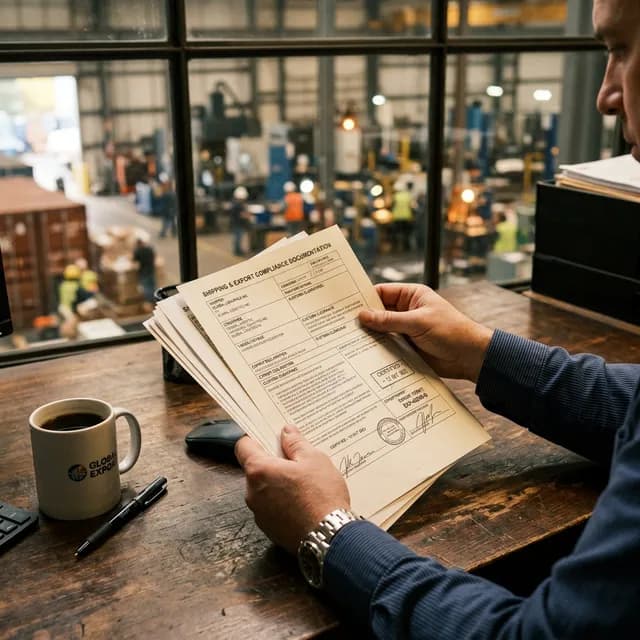
Define your production routes (Blast Furnace, EAF, Induction) and system boundaries. Identify which specific processes fall under CBAM jurisdiction.
Run the free diagnosticGather invoices for electricity, natural gas, raw materials (precursors), and production logs from your factory floor. Structuring this raw data is critical.
See how we collect your dataSeparately calculate Direct (Scope 1) and Indirect (Scope 2) emissions per tonne of product using intricate, India-specific heat and grid emission factors.
Estimate your emissions & savingsFormat your calculated emission data into the highly specialized CBAM XML format required by the European Commission Transitional Registry.
How XML reports are generatedFrom 2026, have your comprehensive emission data formally audited and verified by an independent, EU-accredited verifying body.
Why pre-verification mattersGet clear, actionable answers to the most pressing questions Indian exporters have about EU CBAM compliance, default value penalties, and exactly what factory data is required.

Free this quarter
This quarter, a dedicated CarbonSettle expert and our AI do your full CBAM for you, free — we collect your raw factory data (electricity bills, production sheets, fuel invoices, however unstructured) and turn it into an audit-ready, buyer-accepted EU report. The report is yours to keep. No commitment beyond this quarter.
EU CBAM compliance guide.
Read ArticleIndian exporters, navigate the 2026 CBAM definitive phase with our expert guide. Understand filing deadlines, avoid penalties, and optimize your carbon costs. Get end-to-end CBAM compliance support from CarbonSettle.
Read ArticleIndian MSMEs in export clusters face CBAM challenges. Learn how shared-compliance models and CarbonSettle's end-to-end service can simplify EU carbon tax reporting for steel, cement, and aluminum exporters.
Read ArticleIndian steel exporters, understand how galvanizing and coatings impact your CBAM emissions. Learn to accurately calculate and report for EU compliance.
Read ArticleIndian exporters shipping via Rotterdam or Antwerp face unique CBAM challenges. Learn how to manage declarant handoff and ensure compliance with our expert guide.
Read ArticleIndian MSMEs face CBAM even as indirect exporters. Learn how to navigate EU CBAM when your product reaches Europe via an intermediary. Get expert help from CarbonSettle.
Read Article