
Key Takeaways
- Scrap-based steel production generates 75% lower CO₂ emissions compared to primary steel production from iron ore
- EU CBAM Regulation (EU) 2023/956 provides specific methodologies for calculating embedded emissions in recycled steel products
- Indian steel exporters utilizing scrap feedstock can achieve significant CBAM certificate cost reductions through proper documentation
- Circular economy principles align with CBAM objectives, creating competitive advantages for recycling-intensive operations
- Default emission factors under CBAM transitional period favor scrap-based production routes over blast furnace operations
Understanding CBAM's Treatment of Recycled Materials
The Carbon Border Adjustment Mechanism under Regulation (EU) 2023/956 establishes a framework that inherently favors circular economy practices in steel production. The regulation recognizes that recycled materials carry significantly lower embedded carbon compared to virgin raw materials, creating economic incentives for scrap utilization.
Under Article 7 of the regulation, operators must report embedded emissions using either actual emissions data or default values provided by the European Commission. For steel products incorporating recycled content, the methodology allows for proportional emission reductions based on scrap input ratios. This technical approach acknowledges that electric arc furnace (EAF) operations, which predominantly use scrap feedstock, generate approximately 0.4 tonnes CO₂ per tonne of crude steel, compared to 2.3 tonnes CO₂ per tonne for integrated blast furnace operations.
The regulation's implementing acts provide specific calculation methodologies for determining the embedded emissions of steel products with varying recycled content. These methodologies consider the entire production chain, from raw material acquisition through final product manufacturing, ensuring that the carbon benefits of scrap utilization are properly captured in CBAM reporting.
Quantifying Carbon Advantages in Scrap-Based Steel Production
Technical analysis of production routes reveals substantial emission differentials that directly impact CBAM compliance costs. Primary steel production via the blast furnace-basic oxygen furnace route typically generates 2.1-2.5 tonnes CO₂ equivalent per tonne of crude steel, while scrap-based EAF production generates 0.3-0.6 tonnes CO₂ equivalent per tonne.
This 75% emission reduction translates directly into CBAM certificate requirements. Assuming a carbon price of €80 per tonne CO₂ (based on EU ETS average pricing), the CBAM cost differential between primary and scrap-based steel approaches €152 per tonne of product. For Indian exporters shipping 100,000 tonnes annually to the EU, this differential represents potential savings of €15.2 million in CBAM certificate costs.
The emission benefits extend beyond direct production processes. Scrap utilization eliminates upstream emissions associated with iron ore mining, pelletizing, and coking coal preparation. Life cycle assessments demonstrate that these avoided emissions contribute an additional 0.8-1.2 tonnes CO₂ equivalent per tonne of steel produced, further enhancing the CBAM compliance position of scrap-intensive operations.
See what CBAM will cost your buyer
Free 30-second check — pick your product and tonnage, get your buyer-side savings number.
Technical Documentation Requirements for Recycled Content
CBAM compliance for recycled steel products requires comprehensive documentation establishing the origin, composition, and processing history of scrap inputs. The regulation mandates that operators maintain detailed records demonstrating the recycled content percentage and associated emission factors for each product category.
Documentation must include scrap procurement records, chemical composition analyses, and production process parameters. For Indian exporters, this necessitates implementing robust material tracking systems capable of segregating and documenting different scrap grades throughout the production process. The European Commission's guidance documents specify that recycled content claims must be supported by mass balance calculations and third-party verification where applicable.
Quality management systems must incorporate specific procedures for scrap classification, contamination assessment, and yield calculations. These procedures ensure that recycled content declarations align with actual material flows and processing efficiencies. The technical complexity of these requirements demands specialized expertise in materials science and process engineering to maintain compliance accuracy.
2025-2026 Regulatory Impact
The transitional period ending December 31, 2025, will give way to full CBAM implementation requiring actual certificate purchases. This transition creates immediate urgency for Indian steel exporters to optimize their recycling strategies and documentation systems.
During 2025, the European Commission will finalize default emission factors for various steel production routes, with preliminary indications suggesting favorable treatment for high-recycled content products. The final factors are expected to maintain the significant differential between primary and secondary steel production, preserving the economic advantages of scrap utilization.
The 2026 implementation will introduce quarterly CBAM certificate purchasing requirements, creating cash flow implications for exporters. Companies with higher recycled content will benefit from reduced certificate purchase obligations, improving working capital positions. Conversely, exporters relying primarily on blast furnace production will face substantial quarterly certificate costs, potentially affecting market competitiveness.
Regulatory developments during this period will also address technical issues related to recycled content verification and cross-border material traceability. The European Commission is developing digital systems for CBAM reporting that will integrate with existing EU customs and environmental databases, requiring Indian exporters to adapt their documentation systems accordingly.
Operational Strategies for Maximizing Recycling Benefits
Indian steel exporters can implement several operational strategies to maximize CBAM advantages through enhanced scrap utilization. Primary among these is the development of dedicated scrap processing facilities capable of producing high-quality metallic inputs for steelmaking operations.
Investment in advanced scrap preparation technologies, including magnetic separation, density separation, and chemical analysis systems, enables higher scrap utilization rates while maintaining product quality standards. These technologies support the documentation requirements for recycled content verification while optimizing metallurgical performance.
Supply chain optimization involves establishing long-term contracts with scrap suppliers, implementing quality assurance protocols, and developing logistics networks for efficient scrap collection and processing. Geographic diversification of scrap sources reduces supply risks while potentially accessing lower-cost materials from industrial waste streams.
Process optimization focuses on maximizing scrap charging rates in steelmaking operations while maintaining product specifications. This includes developing specialized melting practices, optimizing furnace operations, and implementing advanced process control systems to handle variable scrap compositions effectively.
Integration with Broader Sustainability Frameworks
The intersection of CBAM compliance and circular economy principles extends beyond immediate regulatory requirements to encompass broader sustainability frameworks affecting international trade. Indian exporters implementing comprehensive recycling strategies position themselves advantageously for emerging environmental regulations in other major markets.
The alignment between CBAM objectives and circular economy principles creates synergies with corporate sustainability reporting requirements, environmental management systems, and supply chain due diligence obligations. Companies demonstrating leadership in scrap utilization and waste minimization enhance their positioning for ESG-focused procurement decisions by European customers.
Technical integration with digital sustainability platforms enables real-time tracking of recycled content, emission reductions, and resource efficiency metrics. These capabilities support both CBAM compliance and broader sustainability reporting requirements, creating operational efficiencies through unified data management systems.
The strategic implementation of circular economy practices in steel production creates competitive advantages extending beyond CBAM compliance to encompass resource security, cost optimization, and market differentiation. Indian exporters leveraging these advantages establish sustainable competitive positions in evolving global markets increasingly focused on environmental performance.
Frequently asked questions
How does CBAM calculate emissions for steel products with mixed virgin and recycled content?
What documentation is required to claim recycled content benefits under CBAM?
Can Indian exporters use domestic scrap recycling to reduce CBAM obligations?
How will CBAM default factors treat different recycling technologies?
What are the implications of contaminated scrap on CBAM calculations?
Compliance disclaimer
Strategies described here are for educational purposes. CBAM regulations (EU 2023/956) evolve quarterly — always verify with your accredited verifier before filing definitive reports.
We’ll do your entire CBAM quarter — ₹0.
A dedicated CBAM expert plus our AI do the whole April–June 2026 report end-to-end: your factory data in, verified actual emissions out — so your buyer pays your real number, not the inflated EU default. The report is yours to keep.
Start your report by 30 September 2026 to claim the free quarter.
Bills, logs, photos — one afternoon.
Verified actuals, EU XML, audit standard.
Yours to keep. ₹0 this quarter.
Prefer to talk? +91 76250 95885 · or run a 30-second savings check first
The complete CBAM guide for Indian exporters
The full compliance roadmap — CN codes, emissions, deadlines, penalties and how to keep your EU orders.
More CBAM guidance for Indian exporters
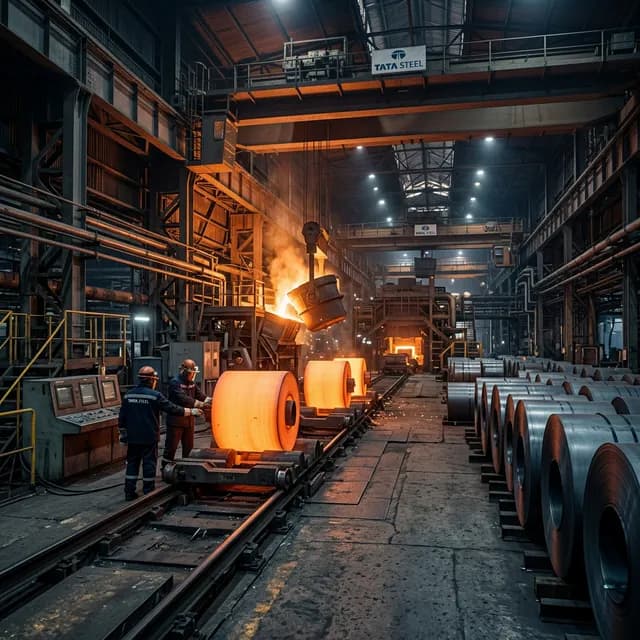 Technical Compliance
Secondary Aluminium Producers: Scrap-Based Processes and CBAM Benefits
Explore how secondary aluminium producers benefit from CBAM regulations through sustainable scrap-based processes.
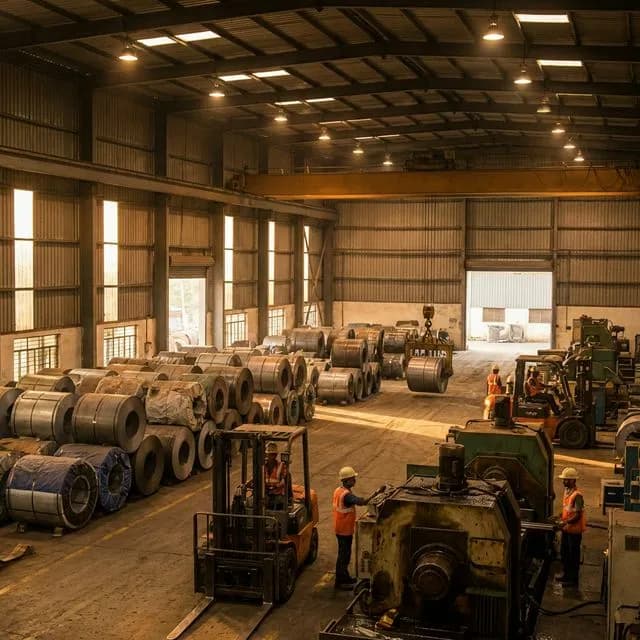 Technical Compliance
Pre-Consumer Scrap Under CBAM: The Accounting Change That Hits Indian Scrap-Based Steelmakers
Indian steelmakers using pre-consumer scrap face new CBAM rules. Understand the accounting changes, emission calculations, and how CarbonSettle helps with compliance.
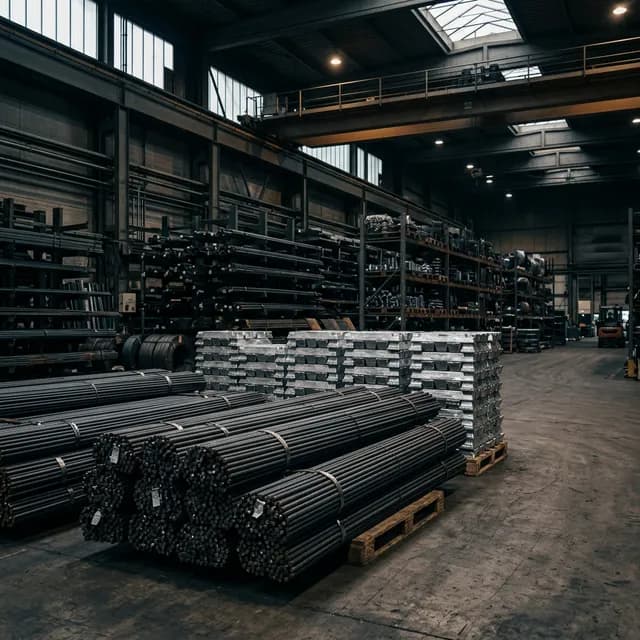 Technical Compliance
Scrap Metal Imports in India: Documentation Requirements for EU CBAM Output
Discover essential documentation requirements for Indian exporters of scrap metal under EU CBAM regulations to ensure compliance.