Key Takeaways
- Formula: Specific Embedded Emissions ($SEE$) = (Direct Emissions + Indirect Emissions) / Activity Level.
- Boundaries: Define precise system boundaries. Exclude non-production related energy (e.g., office ACs) if possible, but include all auxiliary production units.
- Data Sources: Use actual meter readings for electricity and fuel. Estimates are no longer accepted.
Introduction
For Indian manufacturers of steel, aluminum, fertilizer, and cement, the "black box" of production emissions must now be transparent. Under EU CBAM, you don't just export a product; you export its carbon history. This guide details the methodology for calculating "Embedded Emissions" in accordance with EU Regulation 2023/956.
See what CBAM will cost your buyer
Free 30-second check — pick your product and tonnage, get your buyer-side savings number.
The Core Calculation Steps
Step 1: Define System Boundaries
Identify all production processes that contribute to the goods.
- Example (Integrated Steel Plant): Coke Ovens, Sinter Plant, Blast Furnace, Oxygen Furnace, Casting, Rolling.
- Auxiliaries: Water treatment plants, captive power plants, and internal logistics (forklifts, cranes) must be included if they service the production line.
Step 2: Calculate Direct Emissions (Scope 1)
Sum of all GHG emissions from sources owned or controlled by the installation.
- Fuel Combustion: Coal, Furnace Oil, Natural Gas.
- $\text{Emissions} = \text{Fuel Consumed} \times \text{Net Calorific Value (NCV)} \times \text{Emission Factor}$.
- Process Emissions: CO2 released from chemical reactions (e.g., reduction of Iron Ore, calcination of Limestone).
- $\text{Emissions} = \text{Input Material Weight} \times \text{Carbon Content} \times (44/12)$.
Step 3: Calculate Indirect Emissions (Scope 2)
Emissions associated with the generation of electricity consumed.
- Grid Electricity: Use the regional grid emission factor (India's grid is high carbon: ~0.7-0.9 tCO2/MWh).
- Captive Power (Renewable): If you possess a Solar/Wind plant with a direct line, effective emission factor is 0.
- PPA: Power Purchase Agreements must meet strict EU criteria to claim zero emissions.
Step 4: Determine Activity Level
Total net production of the specific good during the reporting period.
- Rule: Qualified good = Salable good. Reject/scrap produced internally and re-melted is not the final activity level.
2025-2026 Regulatory Impact for India
- Verification: From 2026, an EU-accredited verifier will physically visit your Indian factory (or verify remotely via detailed audit trails) to confirm these numbers match your invoices and meter logs.
- Penalty: Falsifying this data is fraud under EU law and can lead to a permanent ban of your goods.
Frequently asked questions
Q: Can I subtract emissions for exported waste heat?
Q: What about transport emissions?
Need a calculation engine?
Compliance disclaimer
Strategies described here are for educational purposes. CBAM regulations (EU 2023/956) evolve quarterly — always verify with your accredited verifier before filing definitive reports.
We’ll do your entire CBAM quarter — ₹0.
A dedicated CBAM expert plus our AI do the whole April–June 2026 report end-to-end: your factory data in, verified actual emissions out — so your buyer pays your real number, not the inflated EU default. The report is yours to keep.
Start your report by 30 September 2026 to claim the free quarter.
Bills, logs, photos — one afternoon.
Verified actuals, EU XML, audit standard.
Yours to keep. ₹0 this quarter.
Prefer to talk? +91 76250 95885 · or run a 30-second savings check first
The complete CBAM guide for Indian exporters
The full compliance roadmap — CN codes, emissions, deadlines, penalties and how to keep your EU orders.
More CBAM guidance for Indian exporters
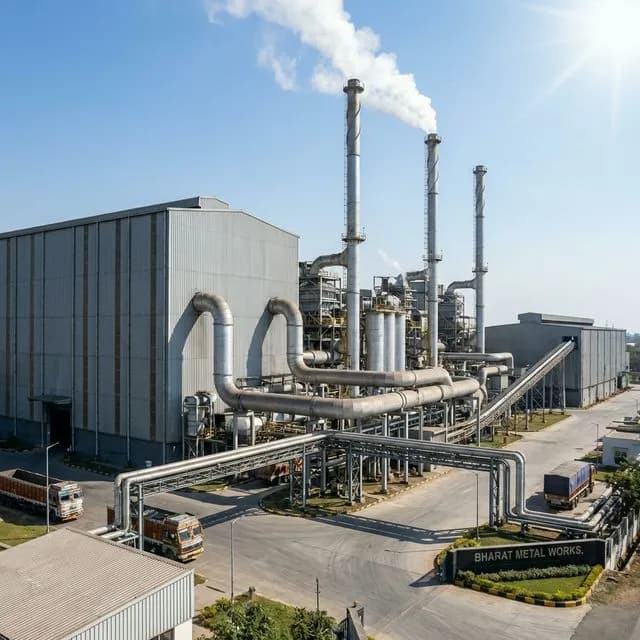 Technical Compliance
Measuring Embedded Emissions Without a Continuous Monitoring System: A Practical Guide for Indian Exporters
Indian exporters, navigate CBAM without expensive continuous emission monitoring. Learn practical methods for calculating embedded emissions for steel, cement, and aluminium exports to the EU. Get expert help from CarbonSettle.
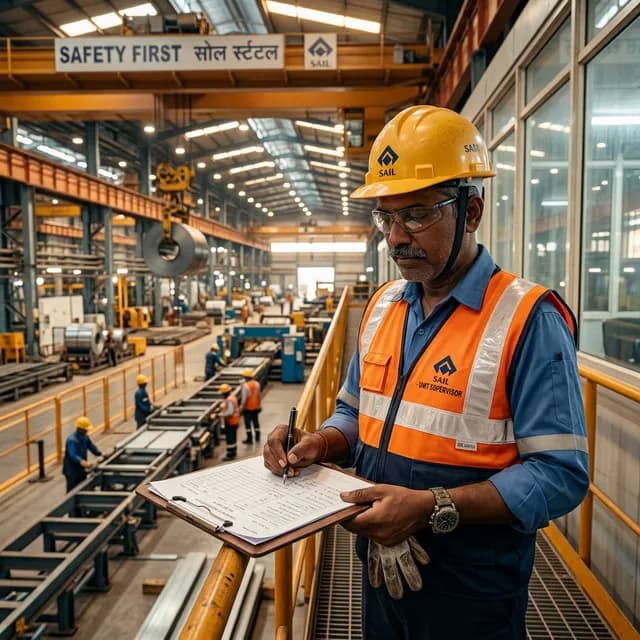 Technical Compliance
Calculating Scope 2 Emissions From India's Grid for CBAM Reporting
Indian exporters navigating CBAM must accurately calculate Scope 2 emissions from grid electricity. Learn how to comply with EU Regulation 2023/956, avoid penalties, and optimize costs with CarbonSettle's expert guidance.
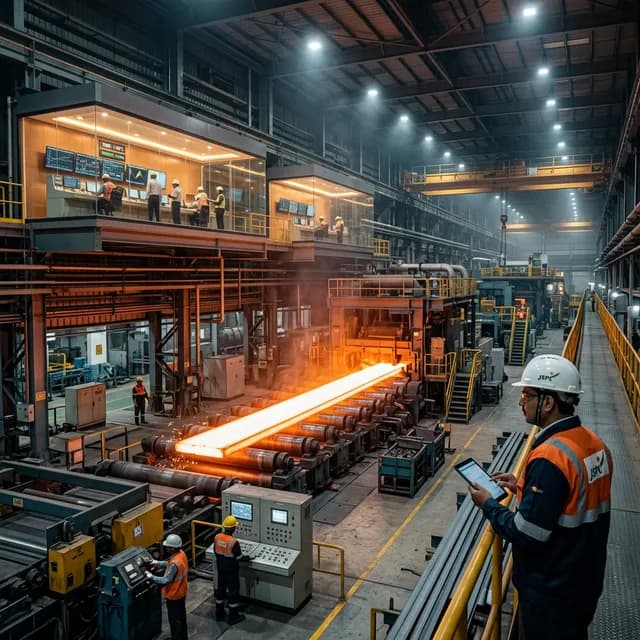 Technical Compliance
Hot Rolled Coils: Calculating Embedded Carbon for EU Exports
Detailed guide on calculating embedded carbon in hot rolled coils for EU exports.