Key Takeaways
- Decarbonize Scope 2: Switch to renewable electricity (PPA/Captive).
- Process Efficiency: Waste heat recovery and scrap utilization.
- Precursor Sourcing: Change suppliers for high-carbon inputs like pig iron or billets.
Introduction
The CBAM certificate cost is effectively an export tax. For Indian goods like Steel and Aluminum, which are carbon-intensive, this tax can be crippling. "Minimizing liability" is not about evasion; it is about physically lowering the carbon footprint of the product to pay less tax.
Strategy 1: The Renewable Pivot (Scope 2)
In the EU methodology, electricity emissions are a massive component for Aluminum and EAF Steel.
- India Grid: High carbon (~0.7 tCO2/MWh).
- Action: Establish a Power Purchase Agreement (PPA) for Solar/Wind.
- Benefit: If valid under CBAM rules, your Scope 2 emissions drop to near zero.
- Savings: For Aluminum, this can save €1,000+ per tonne in CBAM tax.
See what CBAM will cost your buyer
Free 30-second check — pick your product and tonnage, get your buyer-side savings number.
Strategy 2: Precursor Management (Scope 3)
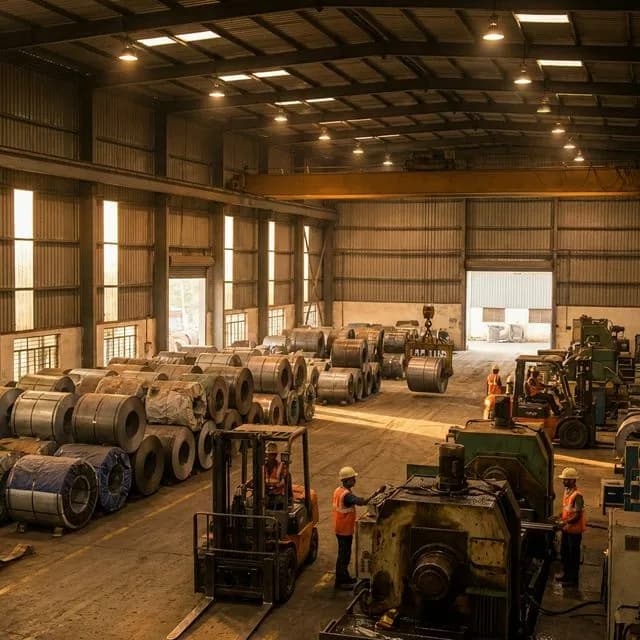
For a rolling mill (Complex Good), 80-90% of emissions are in the steel billet (Precursor).
- Problem: Buying generic billets from a Blast Furnace mill results in high embedded emissions.
- Solution: Source billets from an EAF mill or a "Green Steel" producer.
- Calculation: Lower precursor emissions = Lower total embedded emissions = Lower Tax.
Strategy 3: Scrap Utilization
- Concept: Steel scrap is considered "zero carbon" input under CBAM.
- Action: Increase the percentage of scrap in your melt mix (if technically feasible).
- Result: Drastically lowers specific direct emissions.
2025-2026 Regulatory Impact for India
- Verification of Renewables: The EU is tightening rules on "Green Power" claims. Simply buying unbundled RECs may not work. You need a direct connection or a rigorous PPA with temporal correlation.
- Investment Cycle: Investments made now in solar plants will be operational by 2026, perfectly timed for the start of the taxation period.
Frequently asked questions
Q: Does planting trees reduce my CBAM liability?
Q: Can I export my "greenest" batch to Europe and the "dirty" batch elsewhere?
Compliance disclaimer
Strategies described here are for educational purposes. CBAM regulations (EU 2023/956) evolve quarterly — always verify with your accredited verifier before filing definitive reports.
We’ll do your entire CBAM quarter — ₹0.
A dedicated CBAM expert plus our AI do the whole April–June 2026 report end-to-end: your factory data in, verified actual emissions out — so your buyer pays your real number, not the inflated EU default. The report is yours to keep.
Start your report by 30 September 2026 to claim the free quarter.
Bills, logs, photos — one afternoon.
Verified actuals, EU XML, audit standard.
Yours to keep. ₹0 this quarter.
Prefer to talk? +91 76250 95885 · or run a 30-second savings check first
The complete CBAM guide for Indian exporters
The full compliance roadmap — CN codes, emissions, deadlines, penalties and how to keep your EU orders.
More CBAM guidance for Indian exporters
 Technical Compliance
Strategies to Reduce Carbon Liability for High-Carbon Goods Remediation
Technical guidance for Indian steel exporters on reducing carbon liability under EU CBAM regulations through systematic remediation strategies.
 Technical Compliance
EPD vs CBAM Report: Which Carbon Document Does Your EU Buyer Actually Need?
Indian exporters often confuse EPDs with CBAM reports. Learn the critical differences, what your EU buyer truly needs, and how CarbonSettle simplifies CBAM compliance for your exports.
 Technical Compliance
Bilateral Carbon Price Recognition: Could India's Perform Achieve and Trade Help?
Explore how India's performance in carbon pricing and trade can impact bilateral carbon price recognition.