Key Takeaways
- The use of scrap steel significantly reduces the embedded emission intensity in steel production.
- Transitioning to a circular economy through increased scrap usage can lead to emission reductions of 30-60%.
- Regulatory frameworks are increasingly favoring the use of recycled materials, impacting compliance and market competitiveness.
Introduction
The steel industry is a significant contributor to global greenhouse gas emissions, accounting for approximately 7-9% of total emissions. As the world pivots towards sustainability, the emphasis on reducing embedded emission intensity in steel production becomes paramount. One of the most effective strategies to achieve this is through the increased utilization of scrap steel. This article delves into how scrap steel usage impacts embedded emission intensity, offering insights for manufacturers, compliance officers, and policymakers.
Understanding Embedded Emission Intensity
Embedded emission intensity refers to the total greenhouse gas emissions associated with the production of steel per unit of output, typically measured in kilograms of CO2 equivalent per ton of steel produced. The embedded emissions stem from various stages of production, including raw material extraction, processing, and transportation.
The Role of Scrap Steel
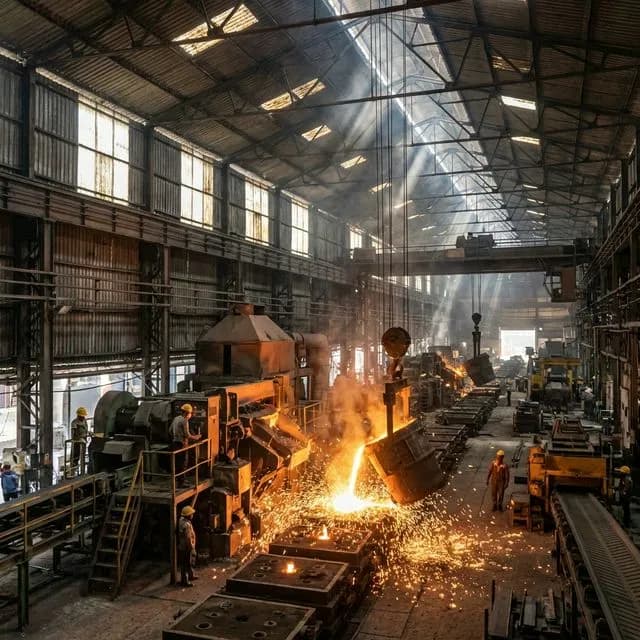
Scrap steel serves as a crucial component in reducing embedded emissions. The production of steel from scrap (known as Electric Arc Furnace or EAF production) has a significantly lower emission intensity compared to traditional methods (Basic Oxygen Furnace or BOF production). According to the World Steel Association, the use of scrap steel can lower emissions by up to 60%, making it an essential element in the transition to a more sustainable steel industry.
Quantifying the Impact
To illustrate the impact of scrap steel usage on embedded emission intensity, consider the following metrics:
- EAF Production: Producing one ton of steel through EAF using scrap results in approximately 0.4 tons of CO2 emissions.
- BOF Production: Conversely, producing one ton of steel through BOF using virgin materials can emit up to 1.8 tons of CO2.
This stark contrast highlights the importance of scrap steel in mitigating carbon footprints and achieving sustainability targets.
See what CBAM will cost your buyer
Free 30-second check — pick your product and tonnage, get your buyer-side savings number.
Benefits of Scrap Steel Usage
Environmental Benefits
- Reduced Carbon Footprint: By using scrap steel, manufacturers can significantly cut down their carbon emissions, aligning with global climate goals.
- Resource Conservation: Utilizing scrap reduces the need for virgin raw materials, conserving natural resources and minimizing environmental degradation.
Economic Advantages
- Cost-Effectiveness: Scrap steel is often less expensive than virgin materials, leading to reduced production costs.
- Market Competitiveness: As regulations tighten around emissions, companies that utilize scrap steel will likely gain a competitive advantage in markets that prioritize sustainability.
Regulatory Landscape
The regulatory environment surrounding emissions is evolving rapidly. Governments and international bodies are implementing stricter regulations to curb greenhouse gas emissions. For example, the European Union's CBAM (Carbon Border Adjustment Mechanism) aims to level the playing field for domestic industries and imports based on their carbon footprints.
Compliance Considerations
Manufacturers must ensure compliance with both local and international regulations related to emissions. This includes:
- Data Collection: Accurately tracking the sources of raw materials and their associated emissions.
- Verifying HS Codes: Ensuring that the appropriate Harmonized System (HS) codes are used for scrap steel to avoid penalties.
- Reporting: Submitting emissions reports in compliance with regulatory frameworks, which may require detailed disclosures on the use of scrap steel.
2025-2026 Regulatory Impact for India
As India aims to increase its steel production while adhering to international emissions standards, the impact of regulations like CBAM will be profound. By 2025-2026, Indian manufacturers will need to adapt to stricter emissions reporting and compliance measures. The anticipated penalties for non-compliance could reach up to €30 per ton of CO2 emitted, making it critical for Indian MSMEs to enhance their scrap steel usage and reduce embedded emission intensity.
Strategic Recommendations for Indian MSMEs
- Invest in Recycling Infrastructure: Develop facilities that can efficiently process scrap steel to maximize its use in production.
- Implement Emission Tracking Systems: Establish systems to monitor and report emissions accurately, ensuring compliance with evolving regulations.
- Engage in Collaborative Initiatives: Partner with industry stakeholders to promote the circular economy and share best practices in scrap utilization.
Conclusion
The utilization of scrap steel is a pivotal strategy in reducing embedded emission intensity in steel production. With the increasing regulatory scrutiny on emissions, Indian MSMEs must prioritize scrap steel usage not only for environmental compliance but also for economic benefits. By embracing a circular economy, manufacturers can enhance their sustainability profiles and competitiveness in the global market.
Call to Action
As the landscape of emissions regulation continues to evolve, it is crucial for Indian exporters and MSMEs to conduct a thorough "CBAM readiness assessment" and implement robust emissions tracking systems. By doing so, they can ensure compliance and capitalize on the benefits of scrap steel usage in their production processes.
Frequently asked questions
What is embedded emission intensity?
How does scrap steel usage affect emissions?
What are the regulatory implications for Indian manufacturers?
Compliance disclaimer
Strategies described here are for educational purposes. CBAM regulations (EU 2023/956) evolve quarterly — always verify with your accredited verifier before filing definitive reports.
We’ll do your entire CBAM quarter — ₹0.
A dedicated CBAM expert plus our AI do the whole April–June 2026 report end-to-end: your factory data in, verified actual emissions out — so your buyer pays your real number, not the inflated EU default. The report is yours to keep.
Start your report by 30 September 2026 to claim the free quarter.
Bills, logs, photos — one afternoon.
Verified actuals, EU XML, audit standard.
Yours to keep. ₹0 this quarter.
Prefer to talk? +91 76250 95885 · or run a 30-second savings check first
The complete CBAM guide for Indian exporters
The full compliance roadmap — CN codes, emissions, deadlines, penalties and how to keep your EU orders.
More CBAM guidance for Indian exporters
 Technical Compliance
Natural Gas vs Coal: Fuel Switching Impact on CBAM Emission Intensity
Explore the impact of fuel switching from coal to natural gas on CBAM emission intensity for Indian exporters.
 Technical Compliance
Steel Plates and Sheets: Emission Intensity Calculation Methods
Technical guide for calculating emission intensity of steel plates and sheets under EU CBAM Regulation 2023/956 for Indian exporters.
 Technical Compliance
Production Downtime and CBAM: How Shutdowns Affect Emission Intensity
Explore how production downtime impacts emission intensity under EU CBAM regulations.