
Key Takeaways
- Understanding the EU CBAM is crucial for Indian exporters to avoid penalties.
- An internal audit checklist can streamline compliance readiness.
- Key areas include data collection, HS code verification, and emissions reporting.
Introduction
As Indian MSMEs and exporters gear up to navigate the complexities of the European Union's Carbon Border Adjustment Mechanism (CBAM), it is imperative to establish a robust internal audit framework. The CBAM, as outlined in Regulation (EU) 2023/956, aims to mitigate carbon leakage by imposing a carbon price on imports of certain goods, including steel, cement, and aluminum. Indian exporters must ensure compliance to avoid hefty penalties and maintain competitiveness in the European market.
This article presents a detailed internal audit checklist tailored for Indian MSMEs to assess their readiness for CBAM compliance. By following this checklist, businesses can systematically evaluate their operations, identify gaps, and implement necessary corrective actions.
Understanding the EU CBAM Framework
The CBAM is designed to level the playing field between EU producers subject to stringent carbon emissions regulations and foreign producers. For Indian manufacturers, this means that products exported to the EU will be subject to a carbon price based on their embedded emissions. Key aspects of the CBAM include:
- Scope: The regulation covers specific sectors, including steel, cement, aluminum, fertilizers, and electricity.
- Carbon Pricing: The carbon price will be based on the average emissions of EU producers in the respective sectors, which could range from €20 to €50 per ton of CO2, depending on market dynamics.
- Reporting Obligations: Indian exporters must report their emissions data and pay the corresponding carbon price when exporting goods to the EU.
See what CBAM will cost your buyer
Free 30-second check — pick your product and tonnage, get your buyer-side savings number.
Internal Audit Checklist for CBAM Compliance Readiness
1. Data Collection and Management
- Identify Data Sources: Gather data from production processes, energy consumption, and raw materials used. Ensure that data is accurate, complete, and up-to-date.
- Emissions Factors: Utilize verified emissions factors for each product category. For example, the average emissions factor for steel production is approximately 1.8 tons of CO2 per ton of steel.
- Documentation: Ensure all data is well-documented and easily accessible for audits.
2. Verification of HS Codes
- HS Code Identification: Verify the Harmonized System (HS) codes for all products exported to the EU. This is crucial for determining which products fall under the CBAM regulation.
- Cross-Reference: Cross-reference HS codes with the CBAM product list to ensure compliance. Misclassification can lead to penalties and increased scrutiny.
- Update Records: Regularly update HS code records to reflect any changes in product offerings or regulations.
3. Emissions Reporting Protocol
- Establish Reporting Framework: Develop a clear framework for emissions reporting that aligns with the requirements set forth in Regulation (EU) 2023/956.
- Internal Reporting System: Implement an internal system for tracking and reporting emissions data. This should include input from all relevant departments, including production, logistics, and finance.
- Third-Party Verification: Consider engaging third-party auditors to verify emissions data and enhance credibility in reporting.
4. Training and Awareness
- Employee Training: Conduct training sessions for employees involved in production, compliance, and auditing processes. Ensure they understand the CBAM requirements and their role in compliance.
- Awareness Campaigns: Launch internal campaigns to raise awareness about the importance of CBAM compliance and its impact on the business.
5. Risk Assessment and Management
- Identify Risks: Conduct a thorough risk assessment to identify potential compliance risks associated with emissions reporting and product classification.
- Mitigation Strategies: Develop and implement strategies to mitigate identified risks. This may include process improvements, technology investments, or changes in sourcing practices.
- Regular Reviews: Schedule regular reviews of the risk management framework to adapt to changing regulations and market conditions.
6. Continuous Improvement Processes
- Feedback Mechanism: Establish a feedback mechanism to gather insights from employees and stakeholders on the effectiveness of compliance measures.
- Benchmarking: Regularly benchmark against industry standards and best practices in emissions management and compliance.
- Iterative Audits: Conduct iterative internal audits to ensure continuous improvement in compliance readiness.
2025-2026 Regulatory Impact for India
As the EU continues to refine the CBAM framework, Indian exporters must stay proactive in their compliance efforts. By 2025-2026, it is anticipated that the CBAM will expand its scope, potentially including more sectors and imposing stricter penalties for non-compliance. For instance, penalties could reach up to €100 per ton of CO2 for failure to report emissions accurately.
Indian MSMEs should prepare for these changes by enhancing their emissions tracking capabilities, investing in cleaner technologies, and exploring partnerships for sustainability initiatives. The anticipated regulatory impact underscores the urgency for Indian exporters to prioritize CBAM compliance as a critical business strategy.
Conclusion
In conclusion, the EU's CBAM presents both challenges and opportunities for Indian MSMEs and exporters. By leveraging a comprehensive internal audit checklist, businesses can systematically prepare for compliance, mitigate risks, and enhance their competitive edge in the European market.
As Indian exporters navigate this new landscape, it is essential to prioritize emissions tracking and compliance readiness. For a thorough assessment of your organization's CBAM compliance, consider engaging in a "CBAM readiness assessment" to identify gaps and streamline your emissions tracking processes.
Frequently asked questions
What is the CBAM?
How can Indian exporters prepare for CBAM compliance?
What are the penalties for non-compliance with CBAM?
How often should compliance audits be conducted?
Compliance disclaimer
Strategies described here are for educational purposes. CBAM regulations (EU 2023/956) evolve quarterly — always verify with your accredited verifier before filing definitive reports.
We’ll do your entire CBAM quarter — ₹0.
A dedicated CBAM expert plus our AI do the whole April–June 2026 report end-to-end: your factory data in, verified actual emissions out — so your buyer pays your real number, not the inflated EU default. The report is yours to keep.
Start your report by 30 September 2026 to claim the free quarter.
Bills, logs, photos — one afternoon.
Verified actuals, EU XML, audit standard.
Yours to keep. ₹0 this quarter.
Prefer to talk? +91 76250 95885 · or run a 30-second savings check first
The complete CBAM guide for Indian exporters
The full compliance roadmap — CN codes, emissions, deadlines, penalties and how to keep your EU orders.
More CBAM guidance for Indian exporters
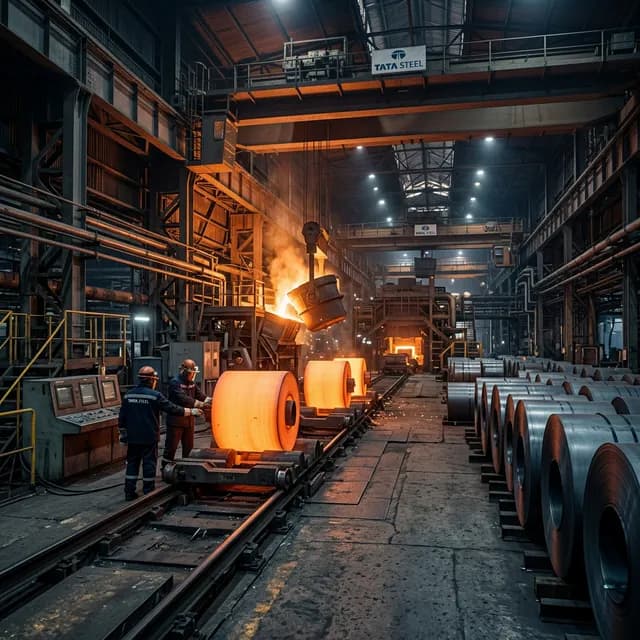 Technical Compliance
Spring Steel Products: CN Code Mapping and CBAM Compliance Checklist
Essential guide for CBAM compliance and CN code mapping for spring steel products.
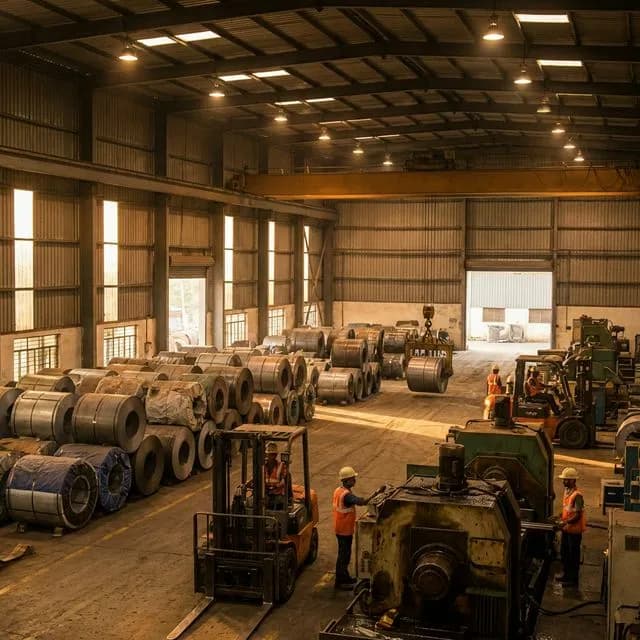 Technical Compliance
Quarterly Reporting Deadlines: A Checklist for Compliance Officers
Comprehensive quarterly CBAM reporting checklist for Indian steel exporters. Technical guidance for EU compliance officers and carbon auditors.
 Technical Compliance
Apportioning Captive Power Plant Emissions Across Multiple Products for CBAM Compliance: A Deep Dive for Indian Exporters
Indian exporters with captive power plants need precise emission apportionment for CBAM. Learn how to accurately allocate emissions across diverse products to avoid high EU carbon taxes. CarbonSettle offers end-to-end CBAM compliance services.