Key Takeaways
- The EU's CBAM will impose a carbon cost on imported goods, significantly affecting Indian steel exporters.
- Indian MSMEs need to adapt their operations and reporting mechanisms to align with EU regulations.
- Understanding HS codes and emission factors is crucial for compliance and competitive positioning.
- By 2025-2026, Indian exporters must be prepared for stricter regulations and potential penalties.
Introduction
The introduction of the Carbon Border Adjustment Mechanism (CBAM) under Regulation (EU) 2023/956 represents a paradigm shift in how international trade, particularly in high-emission sectors like steel, is conducted. For Indian MSMEs and exporters, this regulation poses both challenges and opportunities. As the EU seeks to reduce carbon emissions and encourage greener production methods, Indian steel manufacturers must navigate this complex landscape to maintain their market position.
Understanding CBAM and Its Implications for Indian Steel Exporters
CBAM is designed to level the playing field between EU producers who are subject to stringent carbon regulations and foreign producers who may not face similar costs. For Indian steel exporters, this means that the carbon footprint associated with their products will directly influence their competitiveness in the EU market.
Key Components of CBAM
-
Carbon Pricing: Under CBAM, imported goods will incur a carbon cost equivalent to the EU's carbon price. As of 2023, this price hovers around €75 per ton of CO2 emissions, a figure that is expected to rise as the EU intensifies its climate goals.
-
Reporting Requirements: Indian exporters must accurately report their emissions data, which includes the carbon intensity of their products. Failure to comply can result in significant penalties, including fines and import restrictions.
-
HS Codes Verification: Harmonized System (HS) codes are critical in determining the applicability of CBAM. Indian MSMEs must ensure that they are using the correct HS codes for their products to avoid compliance issues.
See what CBAM will cost your buyer
Free 30-second check — pick your product and tonnage, get your buyer-side savings number.
Operational Steps for Indian MSMEs
To effectively adapt to CBAM, Indian MSMEs must undertake several operational steps:
Data Collection and Management
-
Emissions Tracking: Establish a robust emissions tracking system that records the carbon footprint of production processes. This should include direct emissions from manufacturing and indirect emissions associated with energy consumption.
-
Documentation: Maintain comprehensive documentation of emissions data, production processes, and energy sources used. This will be essential for compliance reporting.
Verifying HS Codes
-
Identify Relevant HS Codes: Review the HS codes applicable to your products to ensure they align with EU regulations. This may require consultation with trade experts or legal advisors.
-
Regular Updates: Stay informed about any changes to HS codes or CBAM regulations to ensure ongoing compliance.
Reporting Mechanisms
-
Establish Reporting Protocols: Develop a clear reporting protocol for emissions data that meets EU standards. This may involve software solutions or collaboration with third-party auditors for verification.
-
Engage with EU Importers: Foster relationships with EU importers to understand their compliance requirements and expectations.
Competitive Positioning Strategies
As the CBAM comes into effect, Indian steel exporters can adopt several strategies to enhance their competitive position:
Green Production Initiatives
Investing in greener production technologies can reduce emissions and lower the carbon cost associated with products. This may include:
- Transitioning to renewable energy sources.
- Implementing energy-efficient processes.
- Exploring carbon capture and storage technologies.
Collaboration and Partnerships
Forming partnerships with EU companies can facilitate knowledge transfer and improve compliance. Engaging in joint ventures or collaborations can also enhance market access and competitiveness.
Market Diversification
While the EU market is significant, Indian MSMEs should consider diversifying their market presence to reduce dependency on any single market. Exploring opportunities in regions with less stringent carbon regulations may provide a buffer against CBAM impacts.
2025-2026 Regulatory Impact for India
The period of 2025-2026 is poised to bring stricter regulations and heightened scrutiny for Indian exporters under CBAM. Key considerations include:
-
Increased Carbon Pricing: The carbon price is expected to rise, potentially exceeding €100 per ton of CO2. This will further strain profit margins for Indian exporters who do not adapt their production processes.
-
Expanded Scope of CBAM: The EU may expand CBAM to include additional sectors, necessitating a broader compliance strategy for Indian MSMEs.
-
Potential Penalties: Non-compliance could lead to penalties that could reach up to 20% of the value of the imported goods, making compliance not just a regulatory requirement but a crucial aspect of business sustainability.
Conclusion
The introduction of CBAM under Regulation (EU) 2023/956 marks a significant turning point for Indian steel exporters. By understanding the implications of this regulation and taking proactive steps to ensure compliance, Indian MSMEs can not only maintain their market position but also capitalize on the growing demand for sustainable products.
As the landscape evolves, it is imperative for Indian exporters to conduct a thorough CBAM readiness assessment and establish effective emissions tracking mechanisms.
Call to Action
To navigate the complexities of CBAM and ensure compliance, we encourage Indian MSMEs to engage in a comprehensive CBAM readiness assessment and develop robust emissions tracking systems. This proactive approach will not only enhance compliance but also position Indian steel exporters favorably in the evolving global marketplace.
Frequently asked questions
What is CBAM?
How does CBAM affect Indian steel exporters?
What are the penalties for non-compliance with CBAM?
How can Indian MSMEs prepare for CBAM?
Compliance disclaimer
Strategies described here are for educational purposes. CBAM regulations (EU 2023/956) evolve quarterly — always verify with your accredited verifier before filing definitive reports.
We’ll do your entire CBAM quarter — ₹0.
A dedicated CBAM expert plus our AI do the whole April–June 2026 report end-to-end: your factory data in, verified actual emissions out — so your buyer pays your real number, not the inflated EU default. The report is yours to keep.
Start your report by 30 September 2026 to claim the free quarter.
Bills, logs, photos — one afternoon.
Verified actuals, EU XML, audit standard.
Yours to keep. ₹0 this quarter.
Prefer to talk? +91 76250 95885 · or run a 30-second savings check first
The complete CBAM guide for Indian exporters
The full compliance roadmap — CN codes, emissions, deadlines, penalties and how to keep your EU orders.
More CBAM guidance for Indian exporters
 Technical Compliance
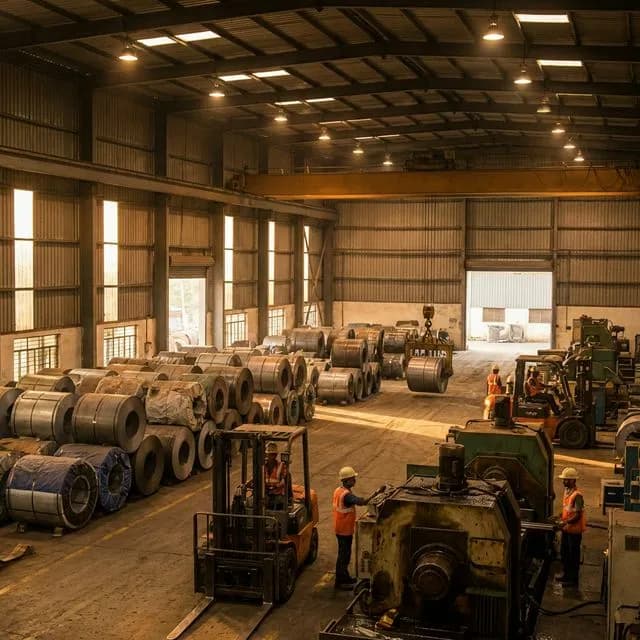
India's Steel Export Competitiveness Post-CBAM: A 2025 Analysis
Analyzing the impact of CBAM on India's steel exports and competitiveness in 2025.
 Technical Compliance
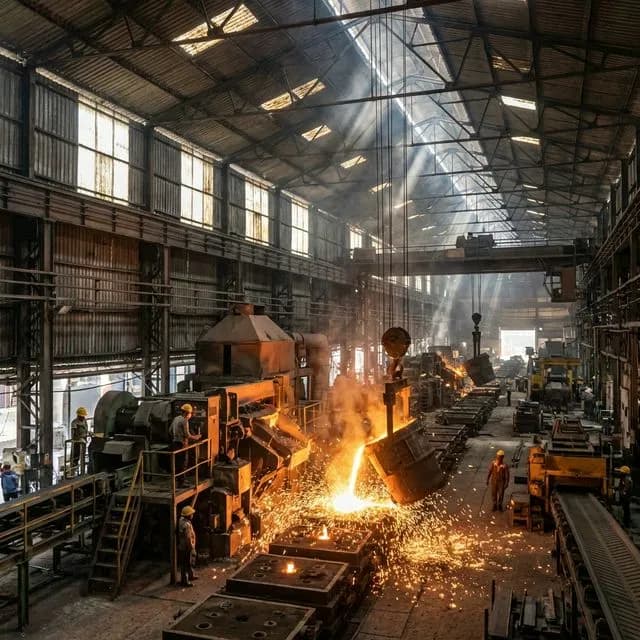
Galvanized and Coated Steel: How Coatings Change Your CBAM Emission Number
Indian steel exporters, understand how galvanizing and coatings impact your CBAM emissions. Learn to accurately calculate and report for EU compliance.
 Technical Compliance
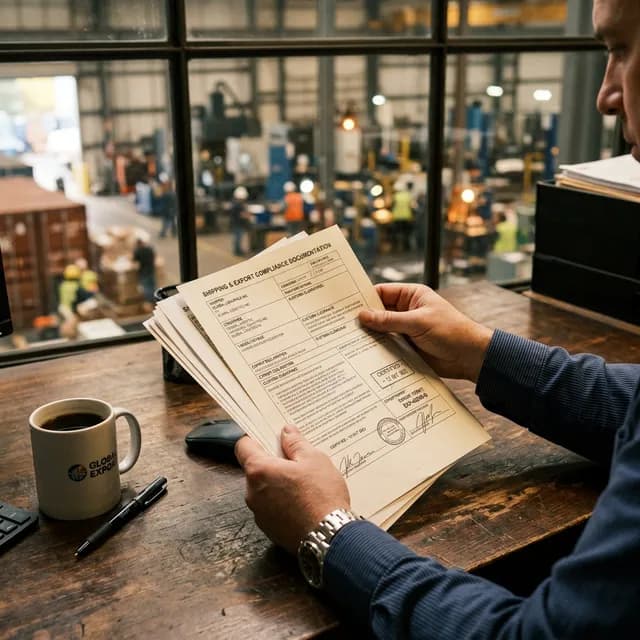
CBAM Default Values vs Actual Data: 2026 Cost Analysis for Exporters
EU CBAM default values are set deliberately high — analysts report they can cost 2–4× more than verified actual emissions. See the 2026 default-vs-actual cost gap for Indian steel and aluminium, and the steps to switch to actuals.