Key Takeaways
- Understanding CBAM is crucial for supply agreements involving EU exports.
- Clear contractual clauses can mitigate financial risks associated with CBAM.
- Indian exporters must adapt their agreements to comply with EU regulations.
Introduction
The Carbon Border Adjustment Mechanism (CBAM), as outlined in Regulation (EU) 2023/956, introduces a significant shift in how carbon emissions are accounted for in international trade, particularly affecting Indian exporters. For Indian MSMEs, especially in sectors such as steel, cement, and aluminum, navigating the complexities of CBAM compliance is essential. This article will delve into the contractual clauses necessary for effective cost allocation related to CBAM in supply agreements, providing a structured approach for Indian manufacturers to protect their interests while ensuring compliance with EU regulations.
Understanding CBAM and Its Implications
The CBAM is designed to impose a carbon cost on imports of certain goods into the EU, ensuring that EU producers are not at a competitive disadvantage compared to foreign producers who may not face similar carbon pricing. For Indian exporters, this means that the costs associated with carbon emissions will need to be explicitly accounted for in supply agreements.
The Financial Impact of CBAM
As of 2023, the estimated costs associated with CBAM compliance can be substantial. For instance, the carbon price in the EU Emissions Trading System (ETS) has fluctuated around €80 per ton of CO2, which could significantly affect the pricing structures of Indian exports. Understanding these costs is crucial for negotiating supply agreements that effectively allocate these new financial burdens.
See what CBAM will cost your buyer
Free 30-second check — pick your product and tonnage, get your buyer-side savings number.
Key Contractual Clauses for CBAM Cost Allocation
1. Definition of Terms
To avoid ambiguity, it is essential to define key terms related to CBAM in the supply agreement. Terms such as "carbon cost," "emission factors," and "covered goods" should be clearly articulated. This clarity will facilitate better understanding and compliance among all parties involved.
2. Cost Allocation Clause
The cost allocation clause should specify how the costs associated with CBAM will be divided between the parties. This may include:
- Direct Costs: Costs directly attributable to carbon emissions, such as the carbon price per ton.
- Indirect Costs: Additional costs incurred due to compliance measures, including administrative expenses related to emissions reporting.
For example, a clause could state: "The Buyer shall bear 60% of the carbon costs incurred under CBAM, while the Seller shall bear 40%."
3. Compliance Obligations
Both parties should agree to their respective compliance obligations under CBAM. This clause should outline:
- Data Collection: Responsibilities for collecting and reporting emissions data.
- Verification Processes: Procedures for verifying emissions data, including third-party audits if necessary.
A sample clause might read: "Each party shall ensure compliance with CBAM requirements, including the collection and submission of accurate emissions data as required by Regulation (EU) 2023/956."
4. Adjustment Mechanism
Given the dynamic nature of carbon pricing and regulatory changes, an adjustment mechanism should be included. This clause allows for periodic reviews and adjustments to the cost allocation based on changes in carbon pricing or regulatory requirements.
For example: "The parties agree to review the cost allocation every six months to adjust for any changes in carbon pricing or regulatory requirements as stipulated by the EU."
5. Indemnification Clause
An indemnification clause can protect parties from unforeseen liabilities arising from CBAM compliance. It should specify that one party will indemnify the other for any penalties or fines incurred due to non-compliance with CBAM regulations.
A potential clause could state: "The Seller agrees to indemnify the Buyer for any penalties or fines resulting from the Seller's failure to comply with CBAM requirements."
6. Termination Clause
Finally, a termination clause should outline the conditions under which either party may terminate the agreement due to non-compliance with CBAM. This ensures that parties have a clear exit strategy if compliance becomes untenable.
An example clause might include: "Either party may terminate this agreement with immediate effect if the other party fails to comply with CBAM requirements, resulting in significant financial penalties."
2025-2026 Regulatory Impact for India
The regulatory landscape for CBAM is expected to evolve significantly by 2025-2026, with potential expansions of the mechanism to additional sectors and products. For Indian exporters, this means that supply agreements must be adaptable to future changes in regulatory frameworks.
Anticipated Changes
- Broader Coverage: The inclusion of more products under CBAM could increase compliance costs for Indian MSMEs.
- Increased Transparency: Enhanced reporting requirements may necessitate more detailed data collection and verification processes.
- Potential for New Penalties: As the regulatory framework matures, new penalties could be introduced for non-compliance, making it imperative for Indian exporters to stay informed and proactive.
Strategic Recommendations
- Regularly Review Contracts: Indian MSMEs should regularly assess their supply agreements to ensure they remain compliant with evolving CBAM regulations.
- Invest in Emissions Tracking: Implementing robust emissions tracking systems will aid in compliance and cost management.
- Engage Legal Expertise: Consulting with legal experts specializing in EU regulations can provide invaluable insights into navigating CBAM complexities.
Conclusion
As Indian manufacturers prepare for the implications of CBAM, understanding and implementing the necessary contractual clauses in supply agreements is crucial. By clearly defining cost allocation, compliance obligations, and risk management strategies, Indian MSMEs can safeguard their interests while ensuring adherence to EU regulations.
Call to Action
To ensure your business is prepared for the upcoming changes under CBAM, consider conducting a CBAM readiness assessment. This proactive step will help you identify potential compliance gaps and implement effective emissions tracking strategies.
Frequently asked questions
What is CBAM?
How does CBAM affect Indian exporters?
What are the key components of a supply agreement under CBAM?
Why is it important to include an adjustment mechanism in supply agreements?
Compliance disclaimer
Strategies described here are for educational purposes. CBAM regulations (EU 2023/956) evolve quarterly — always verify with your accredited verifier before filing definitive reports.
We’ll do your entire CBAM quarter — ₹0.
A dedicated CBAM expert plus our AI do the whole April–June 2026 report end-to-end: your factory data in, verified actual emissions out — so your buyer pays your real number, not the inflated EU default. The report is yours to keep.
Start your report by 30 September 2026 to claim the free quarter.
Bills, logs, photos — one afternoon.
Verified actuals, EU XML, audit standard.
Yours to keep. ₹0 this quarter.
Prefer to talk? +91 76250 95885 · or run a 30-second savings check first
The complete CBAM guide for Indian exporters
The full compliance roadmap — CN codes, emissions, deadlines, penalties and how to keep your EU orders.
More CBAM guidance for Indian exporters
 Technical Compliance
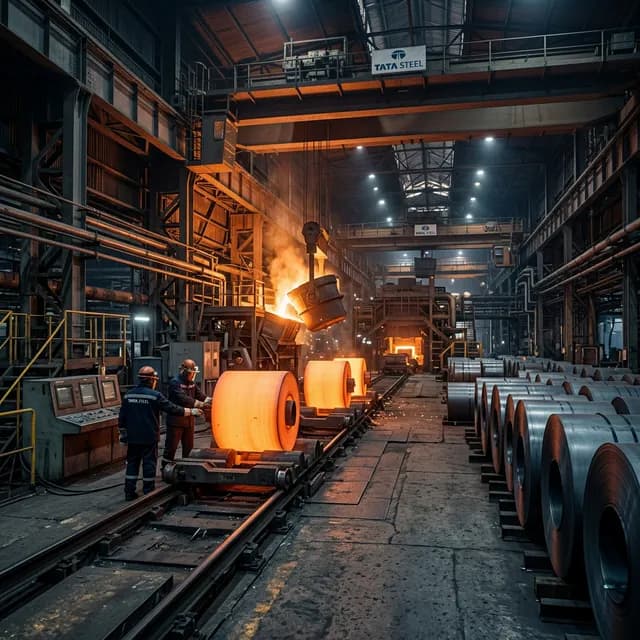
Cost Allocation Strategies for CBAM Across Product Lines
Technical guidance on forensic cost allocation methodologies for EU CBAM compliance across steel product portfolios and manufacturing lines.
 Technical Compliance
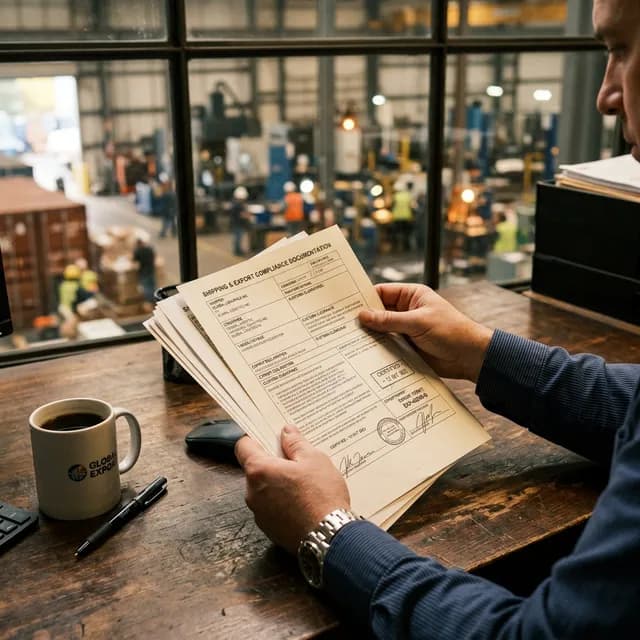
CBAM Default Values vs Actual Data: 2026 Cost Analysis for Exporters
EU CBAM default values are set deliberately high — analysts report they can cost 2–4× more than verified actual emissions. See the 2026 default-vs-actual cost gap for Indian steel and aluminium, and the steps to switch to actuals.
 Technical Compliance
How to Negotiate CBAM Clause Language in Long-Term EU Supply Contracts
Expert strategies for negotiating CBAM clauses in long-term EU supply contracts.