Key Takeaways
- The EU's Carbon Border Adjustment Mechanism (CBAM) impacts Indian MSMEs in machinery manufacturing using steel.
- Compliance involves data collection, verifying HS codes, and understanding emission factors.
- The financial implications of non-compliance can be significant, with penalties reaching up to €100 per ton of CO2.
- Indian exporters should prepare for regulatory changes by 2025-2026, which may further tighten requirements.
Introduction
As Indian manufacturers increasingly engage in the global market, the European Union's Carbon Border Adjustment Mechanism (CBAM) presents both challenges and opportunities for machinery manufacturing, particularly for those reliant on steel inputs. Regulation (EU) 2023/956 establishes a framework that aims to prevent carbon leakage by imposing a carbon cost on imports from non-EU countries, including India. This article provides a forensic examination of the CBAM's implications for Indian MSMEs in machinery manufacturing, focusing on operational steps, compliance requirements, and strategic planning.
Understanding CBAM: The Regulatory Landscape
The CBAM is a cornerstone of the EU's climate policy, designed to ensure that imported goods reflect the carbon costs borne by EU producers. For Indian exporters, this means that products manufactured using steel—an energy-intensive input—will be subject to additional scrutiny. According to Regulation (EU) 2023/956, starting from 2023, importers must report the embedded emissions of their products, with a gradual phase-in of carbon costs from 2026 onwards.
Key Components of CBAM
- Scope of Products: The CBAM initially covers sectors like steel, cement, and aluminum, which are significant in the machinery manufacturing supply chain.
- Emission Reporting: Importers must declare the greenhouse gas emissions associated with the production of their goods.
- Carbon Costs: A preliminary carbon price will be established based on the EU ETS (Emissions Trading System), which could reach €50 to €100 per ton of CO2 by 2030.
Data Collection: The Cornerstone of Compliance
For Indian MSMEs, effective data collection is crucial in ensuring compliance with CBAM. This involves gathering detailed information on the emissions associated with steel production, including:
- Emission Factors: Understand the specific emission factors for the steel used in your machinery. The average emission factor for steel production in India is approximately 1.8 tons of CO2 per ton of steel, but this can vary significantly based on the production method (e.g., blast furnace vs. electric arc furnace).
- Supply Chain Transparency: Collaborate with suppliers to obtain necessary data on the carbon intensity of steel inputs. This may require establishing new relationships or enhancing existing ones.
- Documentation: Maintain comprehensive records of emissions data, production processes, and the origin of materials. This documentation will be essential for reporting and compliance verification.
See what CBAM will cost your buyer
Free 30-second check — pick your product and tonnage, get your buyer-side savings number.
Verifying HS Codes: Ensuring Accurate Classification
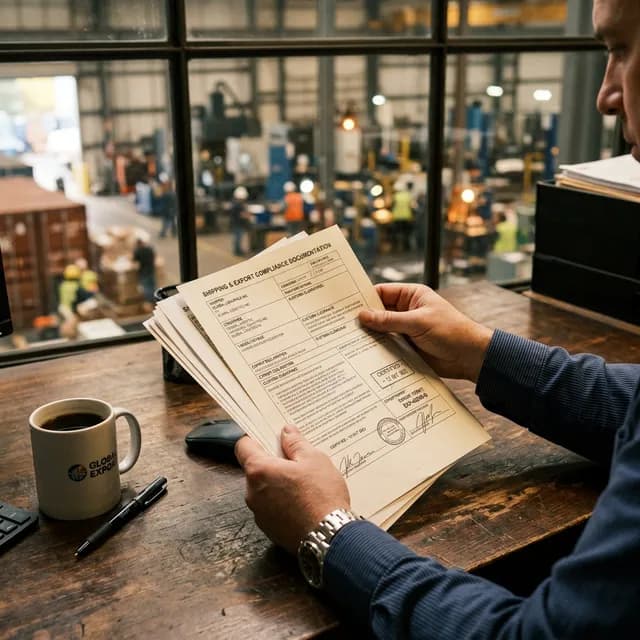
Harmonized System (HS) codes play a vital role in the CBAM framework, as they determine the applicability of carbon costs to specific products. Indian MSMEs must ensure that they correctly classify their machinery products under the appropriate HS codes.
- Review Existing Classifications: Conduct an audit of your product classifications to ensure they align with EU standards. Misclassification can lead to penalties and increased costs.
- Consultation with Experts: Engage with trade compliance experts familiar with EU regulations to verify that your HS codes are accurate and up-to-date.
- Stay Informed on Changes: The EU may update HS codes and associated requirements, so it's essential to remain vigilant and proactive in monitoring these changes.
Reporting Requirements: Navigating the Process
Once data collection and HS code verification are complete, Indian MSMEs must focus on the reporting requirements outlined in Regulation (EU) 2023/956.
- Submission of Emission Data: Importers will be required to submit detailed reports on the emissions associated with their products. This includes both direct and indirect emissions from the production process.
- Utilizing Digital Platforms: The EU is likely to implement online platforms for reporting emissions, similar to existing customs declaration systems. Familiarize yourself with these systems to streamline the reporting process.
- Regular Updates: Ensure that emissions data is updated regularly to reflect changes in production practices or supply chain adjustments.
Financial Implications: Understanding Costs and Penalties
The financial implications of non-compliance with CBAM can be severe for Indian exporters. The following points highlight key considerations:
- Cost of Compliance: Implementing the necessary data collection and reporting systems may require an initial investment. However, this cost is significantly lower than potential penalties for non-compliance.
- Penalties for Non-Compliance: Non-compliance can result in penalties of up to €100 per ton of CO2 emitted, which can drastically affect profit margins.
- Long-term Financial Planning: Incorporate potential carbon costs into pricing strategies to ensure competitiveness in the EU market while maintaining profitability.
2025-2026 Regulatory Impact for India
As the EU continues to refine the CBAM framework, Indian MSMEs must prepare for significant regulatory changes expected in 2025-2026.
- Phased Implementation: By 2026, the full carbon costs will be applied, requiring Indian exporters to have robust compliance mechanisms in place well in advance.
- Increased Scrutiny: Expect heightened scrutiny from EU customs authorities, leading to more rigorous checks on emissions reporting and product classifications.
- Opportunities for Innovation: Indian MSMEs can leverage this regulatory shift to invest in cleaner technologies and processes, positioning themselves as leaders in sustainable manufacturing.
Conclusion
The EU's CBAM presents both challenges and opportunities for Indian MSMEs in machinery manufacturing that utilize steel inputs. By understanding the regulatory landscape, implementing effective data collection and reporting practices, and preparing for future regulatory impacts, Indian exporters can navigate this complex environment successfully.
Call to Action
As the CBAM landscape evolves, it is crucial for Indian manufacturers to assess their readiness. Consider conducting a CBAM readiness assessment or emissions tracking initiative to ensure compliance and maintain competitiveness in the EU market.
Frequently asked questions
What is CBAM?
How does CBAM affect Indian MSMEs?
What are the penalties for non-compliance?
How can Indian manufacturers prepare for CBAM?
Compliance disclaimer
Strategies described here are for educational purposes. CBAM regulations (EU 2023/956) evolve quarterly — always verify with your accredited verifier before filing definitive reports.
We’ll do your entire CBAM quarter — ₹0.
A dedicated CBAM expert plus our AI do the whole April–June 2026 report end-to-end: your factory data in, verified actual emissions out — so your buyer pays your real number, not the inflated EU default. The report is yours to keep.
Start your report by 30 September 2026 to claim the free quarter.
Bills, logs, photos — one afternoon.
Verified actuals, EU XML, audit standard.
Yours to keep. ₹0 this quarter.
Prefer to talk? +91 76250 95885 · or run a 30-second savings check first
The complete CBAM guide for Indian exporters
The full compliance roadmap — CN codes, emissions, deadlines, penalties and how to keep your EU orders.
More CBAM guidance for Indian exporters
 Technical Compliance
Agricultural Equipment: CBAM Implications for Farm Machinery Steel
Technical guidance for Indian agricultural equipment manufacturers on EU CBAM compliance requirements for farm machinery steel components.
 Technical Compliance
Pressure Vessels: Special CBAM Considerations for High-Grade Steel
Technical guidance for Indian pressure vessel manufacturers on EU CBAM compliance requirements for high-grade steel exports and carbon accounting.
 Technical Compliance
Galvanized and Coated Steel: How Coatings Change Your CBAM Emission Number
Indian steel exporters, understand how galvanizing and coatings impact your CBAM emissions. Learn to accurately calculate and report for EU compliance.