
Key Takeaways
- Tool steel and high-speed steel are critical components in various manufacturing processes.
- Under Regulation (EU) 2023/956, Indian exporters must comply with stringent carbon emissions tracking.
- Accurate classification of HS codes is essential for compliance and avoiding penalties.
- The potential for significant costs related to carbon allowances necessitates proactive measures.
Introduction
The European Union's Carbon Border Adjustment Mechanism (CBAM), as established under Regulation (EU) 2023/956, imposes new compliance requirements on non-EU countries exporting carbon-intensive products. For Indian exporters, particularly those dealing in niche products like tool steel and high-speed steel, understanding the implications of CBAM is essential for maintaining market access and competitiveness in the European market. This article provides a detailed analysis of the operational steps Indian MSMEs must undertake to comply with CBAM regulations, ensuring that they can continue to export these specialized materials without incurring hefty penalties.
Understanding Tool Steel and High-Speed Steel
What are Tool Steel and High-Speed Steel?
Tool steel is a specific type of steel designed for manufacturing tools, dies, and other components that require high hardness, resistance to abrasion, and the ability to retain shape at elevated temperatures. High-speed steel (HSS) is a subset of tool steel, renowned for its ability to withstand high temperatures without losing hardness, making it ideal for cutting tools and machinery.
Importance in Manufacturing
Both tool steel and high-speed steel are vital in sectors such as automotive, aerospace, and manufacturing. They contribute significantly to productivity and efficiency in machining and tooling operations. Given their specialized nature, these products often command higher prices, and their production processes can be carbon-intensive, making them subject to the EU's CBAM.
CBAM Overview and Its Impact on Indian Exporters
What is CBAM?
The Carbon Border Adjustment Mechanism aims to prevent carbon leakage by imposing a carbon price on imports of certain goods into the EU. This regulation is part of the EU's broader climate strategy to achieve carbon neutrality by 2050. Under CBAM, exporters from non-EU countries, including India, must report their emissions and may be required to purchase carbon allowances.
Specifics of Regulation (EU) 2023/956
Under Regulation (EU) 2023/956, products such as steel, cement, and aluminum are categorized based on their carbon intensity. While tool steel and high-speed steel may not be explicitly listed, they are often classified under broader steel categories. Therefore, Indian exporters must be aware of the emissions associated with their products to ensure compliance.
See what CBAM will cost your buyer
Free 30-second check — pick your product and tonnage, get your buyer-side savings number.
Operational Steps for Compliance
Data Collection
-
Emissions Tracking: Indian MSMEs must establish a robust system for tracking carbon emissions throughout their production processes. This includes gathering data on energy consumption, raw material inputs, and production methods.
-
Lifecycle Assessment: Conduct a lifecycle assessment (LCA) to determine the total carbon footprint of tool steel and high-speed steel production. This assessment should cover raw material extraction, processing, manufacturing, and transportation.
Verifying HS Codes
-
Correct Classification: Ensure that tool steel and high-speed steel are classified under the appropriate Harmonized System (HS) codes. Misclassification could lead to compliance issues and penalties.
-
Consultation with Experts: Engage with customs and trade compliance experts to verify that the HS codes used align with the latest regulations and guidelines.
Reporting Requirements
-
Emission Reporting: Indian exporters must submit accurate emission reports to the EU authorities. These reports should include the total emissions associated with the production and transportation of tool steel and high-speed steel.
-
Carbon Allowance Purchases: Depending on the emissions reported, exporters may need to purchase carbon allowances to comply with the EU's pricing mechanism.
Cost Implications of CBAM for Indian MSMEs
Financial Impact
The implementation of CBAM may lead to increased costs for Indian exporters. For instance, if the carbon price reaches €50 per ton, a company emitting 1,000 tons of CO2 annually could face costs of €50,000 just for allowances. This financial burden necessitates careful planning and operational adjustments to minimize emissions and associated costs.
Penalties for Non-Compliance
Failure to comply with CBAM regulations can result in significant penalties. Companies that do not report emissions accurately or fail to purchase the necessary carbon allowances may face fines or restrictions on their ability to export to the EU. Such penalties could reach up to 10% of the value of the goods exported, underscoring the importance of compliance.
2025-2026 Regulatory Impact for India
As the EU continues to refine its climate policies, Indian exporters must remain vigilant about upcoming changes. The years 2025-2026 are anticipated to bring stricter regulations and potentially expanded product categories under CBAM. Indian MSMEs should prepare for these changes by:
-
Investing in Cleaner Technologies: Transitioning to low-carbon production methods will not only aid in compliance but also enhance competitiveness in the long term.
-
Engaging with Policy Makers: Active participation in discussions regarding CBAM and its implications can help Indian exporters voice their concerns and influence future regulations.
-
Continuous Training: Regular training for compliance officers and production teams on CBAM requirements and carbon management practices will be crucial for staying ahead of regulatory changes.
Conclusion
The introduction of the CBAM under Regulation (EU) 2023/956 presents both challenges and opportunities for Indian exporters of tool steel and high-speed steel. By proactively addressing compliance requirements, engaging in emissions tracking, and ensuring proper classification of products, Indian MSMEs can mitigate risks and enhance their competitiveness in the European market.
As the regulatory landscape evolves, staying informed and prepared will be key to navigating the complexities of CBAM.
Call to Action
To ensure your business is ready for the challenges posed by CBAM, consider conducting a comprehensive CBAM readiness assessment or implementing an emissions tracking system. This proactive step will position your company favorably within the evolving regulatory framework and help maintain access to the European market.
Frequently asked questions
What is the main goal of CBAM?
How can Indian exporters track their emissions?
What are the penalties for non-compliance with CBAM?
Are tool steel and high-speed steel explicitly listed under CBAM?
What steps should Indian MSMEs take to prepare for future CBAM regulations?
Compliance disclaimer
Strategies described here are for educational purposes. CBAM regulations (EU 2023/956) evolve quarterly — always verify with your accredited verifier before filing definitive reports.
We’ll do your entire CBAM quarter — ₹0.
A dedicated CBAM expert plus our AI do the whole April–June 2026 report end-to-end: your factory data in, verified actual emissions out — so your buyer pays your real number, not the inflated EU default. The report is yours to keep.
Start your report by 30 September 2026 to claim the free quarter.
Bills, logs, photos — one afternoon.
Verified actuals, EU XML, audit standard.
Yours to keep. ₹0 this quarter.
Prefer to talk? +91 76250 95885 · or run a 30-second savings check first
The complete CBAM guide for Indian exporters
The full compliance roadmap — CN codes, emissions, deadlines, penalties and how to keep your EU orders.
More CBAM guidance for Indian exporters
 Technical Compliance
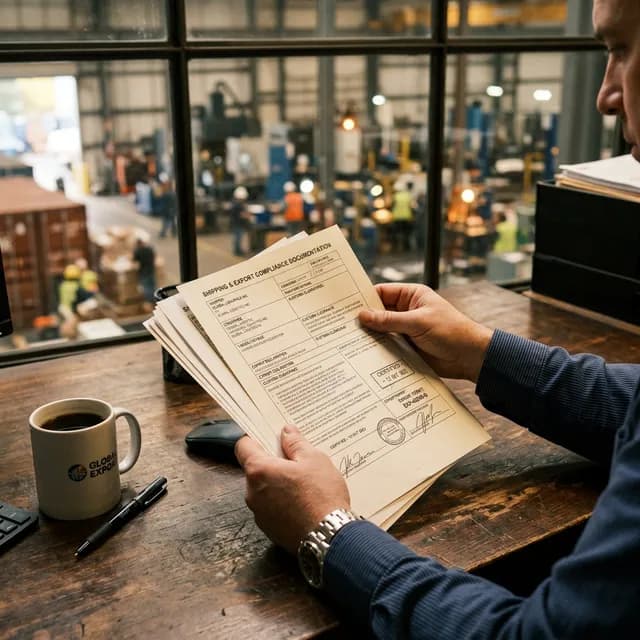
Seamless Steel Tubes: CBAM Monitoring for High-Value Pipe Products
Understanding CBAM monitoring for seamless steel tubes in the EU market.
 Technical Compliance
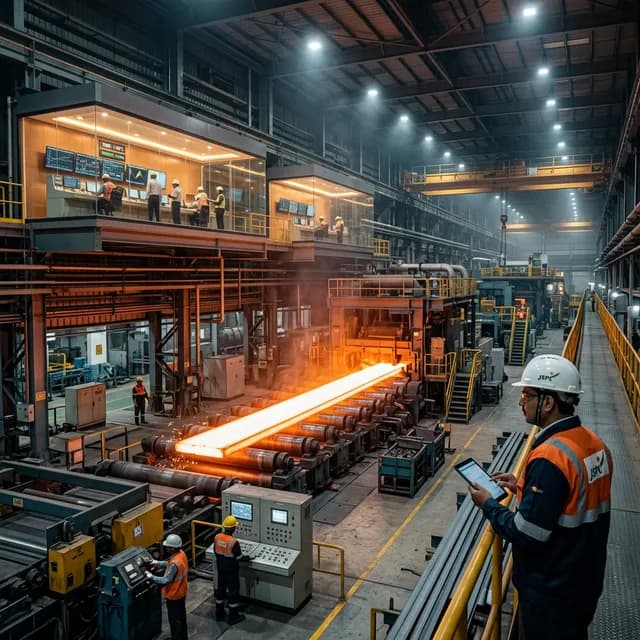
Aerospace Grade Steel: Premium Products Under CBAM Scope
Technical compliance guide for Indian aerospace steel exporters navigating EU CBAM requirements and carbon intensity calculations.
 Technical Compliance
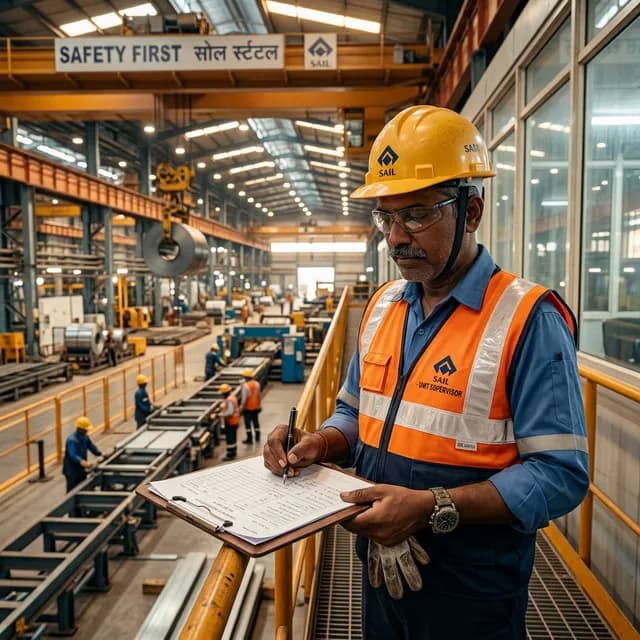
Alloy Steel Products: Additional Emission Factors Under CBAM
Technical guidance on CBAM emission factors for Indian alloy steel exporters. Covers calculation methods, regulatory requirements, and compliance strategies.