
Key Takeaways
- Understanding the EU's CBAM is essential for Indian MSMEs exporting to Europe.
- A structured 5-year roadmap can facilitate compliance with decarbonisation targets.
- Data collection, verifying HS codes, and emissions tracking are critical operational steps.
- The 2025-2026 regulatory impact will require immediate action from Indian exporters.
- Regular assessments and updates will ensure ongoing compliance and readiness.
Introduction
As the world moves towards stringent climate policies, Indian exporters, particularly in sectors like steel, cement, and aluminum, must prepare for the European Union's Carbon Border Adjustment Mechanism (CBAM) introduced under Regulation (EU) 2023/956. This regulation aims to impose carbon costs on imports to the EU, compelling Indian MSMEs to adapt their operations and reporting mechanisms to meet decarbonisation targets by 2030. This article provides a detailed, forensic approach to planning a 5-year roadmap that aligns with these evolving regulatory frameworks.
Understanding CBAM and Its Implications for Indian MSMEs
The CBAM is designed to level the playing field between EU manufacturers, who face carbon costs under the EU Emissions Trading System (ETS), and foreign producers. For Indian exporters, this means that carbon emissions associated with their products will be assessed, and a carbon price will be applied to imports based on the carbon intensity of their production processes.
Key Components of CBAM for Indian Exporters
-
Scope of Products: CBAM applies to specific goods such as steel, cement, aluminum, fertilizers, and electricity. Indian MSMEs in these sectors must understand the implications of this scope on their export strategies.
-
HS Code Verification: Accurate classification of products using the Harmonized System (HS) codes is crucial. Incorrectly classified goods may lead to compliance issues and financial penalties.
-
Carbon Emission Reporting: Indian exporters must provide detailed emissions data for their products. This includes direct emissions from production and indirect emissions associated with energy consumption.
-
Carbon Price Calculation: The carbon price will be determined based on the average carbon price in the EU ETS. As of 2023, this price is approximately €90 per ton of CO2, which could significantly impact the competitiveness of Indian products in the EU market.
See what CBAM will cost your buyer
Free 30-second check — pick your product and tonnage, get your buyer-side savings number.
2025-2026 Regulatory Impact for India
The years 2025-2026 will be pivotal for Indian MSMEs as the full implementation of CBAM takes effect. During this period, exporters will face increased scrutiny regarding their carbon emissions and compliance with EU regulations.
Anticipated Challenges
- Increased Compliance Costs: It is estimated that compliance could add up to 20% to the cost of production for Indian exporters, particularly in sectors with high carbon footprints.
- Supply Chain Adjustments: Exporters may need to adjust their supply chains to source materials with lower carbon intensities or invest in cleaner technologies.
Strategic Actions
-
Invest in Emission Reduction Technologies: Indian MSMEs should consider investing in cleaner production technologies that reduce carbon emissions, which will help mitigate the financial impact of CBAM.
-
Collaborate with Supply Chain Partners: Engaging with suppliers to understand their carbon footprints and encouraging them to adopt sustainable practices will be crucial.
-
Develop a Carbon Accounting Framework: Establishing a robust carbon accounting system will enable exporters to accurately track emissions and ensure compliance with EU requirements.
Operational Steps for Compliance
Step 1: Data Collection
Indian MSMEs must begin by collecting comprehensive data on their production processes, including:
- Direct Emissions: Measure emissions from combustion processes and chemical reactions.
- Indirect Emissions: Assess emissions from electricity and heat consumption.
Step 2: Verify HS Codes
Ensuring accurate HS code classification is vital. MSMEs should:
- Review the EU's CBAM product list to confirm the correct HS codes for their products.
- Consult with customs experts to avoid misclassification that could lead to penalties.
Step 3: Reporting Requirements
Exporters must prepare for the reporting obligations under CBAM, which include:
- Annual Emission Reports: Submit detailed emissions data to the relevant EU authorities.
- Carbon Price Payments: Be prepared to pay the carbon price based on the emissions reported.
Building a 5-Year Roadmap
To successfully navigate the upcoming challenges posed by CBAM and meet 2030 decarbonisation targets, Indian MSMEs should develop a structured 5-year roadmap. This roadmap should include:
Year 1: Assessment and Planning
- Conduct a comprehensive carbon audit to assess current emissions.
- Identify key areas for improvement in production processes.
Year 2: Technology Investments
- Invest in cleaner technologies and renewable energy sources.
- Begin implementing energy efficiency measures across operations.
Year 3: Supply Chain Engagement
- Work with suppliers to lower their carbon footprints.
- Establish partnerships with organizations focused on sustainability.
Year 4: Monitoring and Reporting
- Develop a carbon accounting framework for accurate emissions tracking.
- Prepare for the first round of CBAM reporting.
Year 5: Review and Adjust
- Evaluate the effectiveness of implemented strategies.
- Adjust operations as necessary based on regulatory updates and market conditions.
Conclusion
The introduction of the EU's CBAM represents both a challenge and an opportunity for Indian MSMEs. By understanding the implications of this regulation and planning a structured 5-year roadmap, Indian exporters can not only ensure compliance but also position themselves as leaders in sustainable manufacturing. The time to act is now—investing in emissions tracking and CBAM readiness assessments will be crucial for maintaining competitiveness in the European market.
Frequently asked questions
What is CBAM?
How does CBAM affect Indian exporters?
What are the penalties for non-compliance?
How can Indian MSMEs prepare for CBAM?
When will CBAM fully take effect?
Compliance disclaimer
Strategies described here are for educational purposes. CBAM regulations (EU 2023/956) evolve quarterly — always verify with your accredited verifier before filing definitive reports.
We’ll do your entire CBAM quarter — ₹0.
A dedicated CBAM expert plus our AI do the whole April–June 2026 report end-to-end: your factory data in, verified actual emissions out — so your buyer pays your real number, not the inflated EU default. The report is yours to keep.
Start your report by 30 September 2026 to claim the free quarter.
Bills, logs, photos — one afternoon.
Verified actuals, EU XML, audit standard.
Yours to keep. ₹0 this quarter.
Prefer to talk? +91 76250 95885 · or run a 30-second savings check first
The complete CBAM guide for Indian exporters
The full compliance roadmap — CN codes, emissions, deadlines, penalties and how to keep your EU orders.
More CBAM guidance for Indian exporters
 Technical Compliance
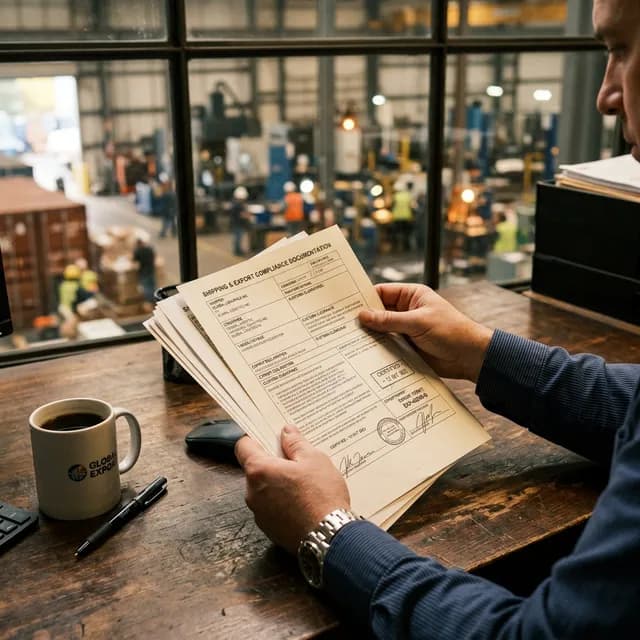
Reconciling Estimated vs Actual Emissions at CBAM Year-End for Indian Exporters
Indian exporters navigating CBAM need to understand reconciling estimated vs actual emissions. Learn how to avoid penalties, optimize costs, and ensure compliance for your steel, cement, or aluminium exports to the EU. CarbonSettle offers end-to-end CBAM compliance services.
 Technical Compliance
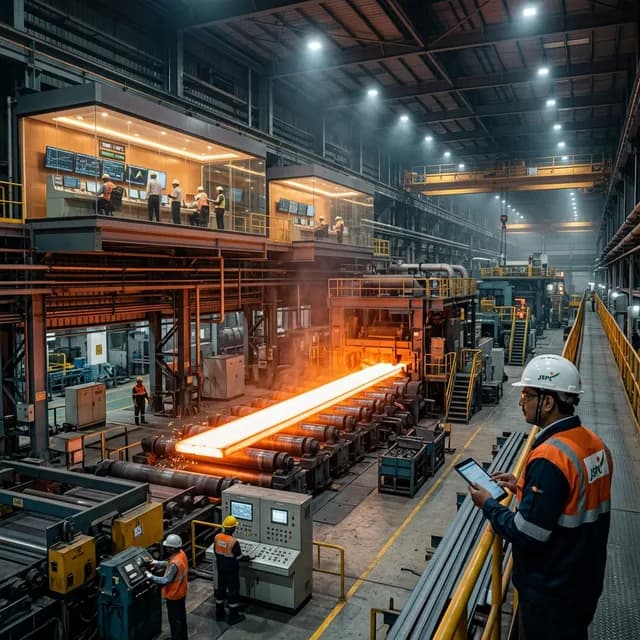
CBAM and Scope 3 Expansion: Could Customer Emissions Be Covered by 2030
Exploring the potential expansion of CBAM to include Scope 3 emissions by 2030.
 Technical Compliance
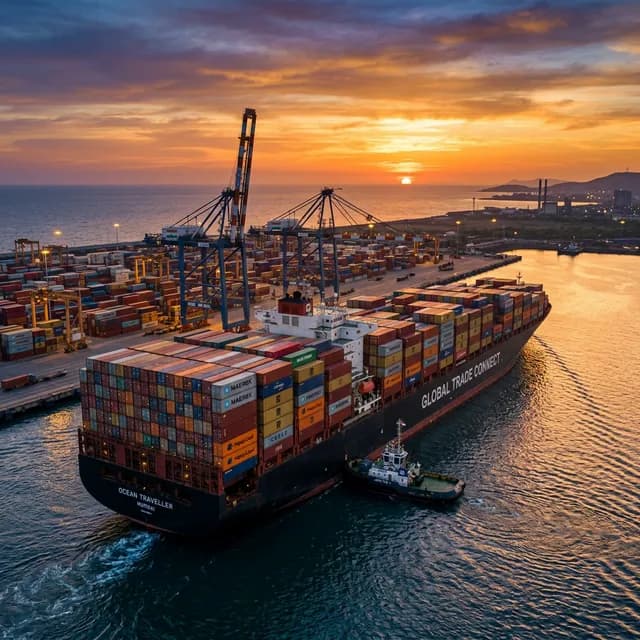
CBAM and Net Zero India: Aligning National Targets with EU Trade Requirements
Explore how Indian exporters can align with EU CBAM while achieving net-zero targets.