
Key Takeaways
- The EU's Carbon Border Adjustment Mechanism (CBAM) will impose new compliance requirements on Indian exporters, particularly in textiles and steel accessories.
- Exporters must understand their product's carbon footprint and how it aligns with EU regulations to avoid significant penalties.
- Data collection, accurate HS code verification, and emissions tracking are critical operational steps for compliance.
- By 2025-2026, the regulatory landscape will evolve, potentially increasing costs and operational complexities for exporters.
Introduction
The introduction of the Carbon Border Adjustment Mechanism (CBAM) under Regulation (EU) 2023/956 marks a significant shift in the regulatory environment for Indian exporters, particularly those in sectors such as textiles and steel accessories. Tirupur, known as the "Knitwear Capital of India," is home to numerous manufacturers who export garments and accessories to the European Union (EU). As these exporters navigate the complexities of compliance with CBAM, understanding its implications is crucial for their continued access to this vital market.
The CBAM aims to equalize the carbon costs between domestic and imported goods, thus ensuring that imported products reflect the EU's climate policies. For Indian MSMEs, particularly in Tirupur, this means that exporters will need to assess their carbon emissions and adhere to stringent reporting requirements. Failure to comply could result in hefty penalties and loss of market access.
Understanding CBAM: An Overview
The CBAM is designed to prevent carbon leakage by imposing a financial charge on certain imported goods based on their carbon content. Key sectors affected include iron and steel, cement, aluminum, fertilizers, and electricity.
For Tirupur textile and steel accessory exporters, the implications of CBAM are twofold:
-
Cost Implications: Exporters may face additional costs associated with carbon reporting and potential charges based on their emissions levels. The initial estimates suggest that the cost of compliance could be as high as €20 per ton of CO2 emitted, which can significantly impact profit margins.
-
Market Access: Non-compliance could lead to the prohibition of goods entering the EU market, directly affecting sales and market share for Indian exporters.
See what CBAM will cost your buyer
Free 30-second check — pick your product and tonnage, get your buyer-side savings number.
Operational Steps for Compliance
Data Collection
The first step for Tirupur exporters is to establish a robust data collection framework. This involves:
-
Identifying Emission Sources: Exporters need to identify all sources of greenhouse gas emissions within their production processes. This includes direct emissions from manufacturing and indirect emissions from electricity consumption.
-
Quantifying Emissions: Utilize standardized emission factors to quantify emissions. For instance, the emission factor for cotton production is approximately 0.8 kg CO2 per kg of cotton. Understanding these factors will help exporters calculate their total carbon footprint accurately.
-
Documenting Processes: Maintain thorough documentation of production processes, including raw materials used and energy consumption. This will be critical for reporting requirements under CBAM.
Verifying HS Codes
Correctly classifying products under the Harmonized System (HS) codes is essential for compliance with CBAM. Exporters in Tirupur should:
-
Review Product Listings: Ensure that all products are accurately classified according to HS codes relevant to textiles and steel accessories.
-
Consult Regulatory Bodies: Engage with local trade and export authorities to confirm the correct HS codes, as misclassification can lead to penalties and complications in the import process.
Emissions Reporting
Once data is collected and HS codes verified, the next step is emissions reporting. This involves:
-
Filing Reports: Exporters must file detailed emissions reports to the EU authorities, which will include the total carbon emissions linked to their products.
-
Utilizing Digital Tools: Implement software solutions that facilitate emissions tracking and reporting. This technology can streamline the process and ensure accuracy.
-
Engaging Third-party Auditors: Consider hiring third-party auditors to validate emissions data and ensure compliance with CBAM requirements.
2025-2026 Regulatory Impact for India
As the CBAM framework evolves, significant changes are anticipated by 2025-2026. The European Commission is expected to expand the list of products subject to CBAM and potentially revise the carbon pricing mechanism. For Indian MSMEs in Tirupur, this could mean:
-
Increased Compliance Costs: As more products fall under the CBAM umbrella, exporters may face increased costs associated with compliance, including additional reporting and verification expenses.
-
More Stringent Verification Processes: The EU may implement more rigorous verification processes, requiring exporters to invest in better data management systems and audit capabilities.
-
Potential Trade Barriers: If Indian exporters fail to adapt to these changes, they could face trade barriers, limiting their ability to access the EU market.
Challenges and Solutions for Indian Exporters
Challenges
- Lack of Awareness: Many Indian MSMEs may not fully understand the implications of CBAM, leading to compliance gaps.
- Resource Constraints: Smaller exporters may lack the financial and human resources necessary to implement comprehensive compliance strategies.
- Complexity of Data Management: Collecting and managing emissions data can be daunting, particularly for manufacturers with complex supply chains.
Solutions
- Education and Training: Conduct workshops and training sessions to educate exporters about CBAM and compliance requirements.
- Collaboration with Industry Associations: Engage with industry bodies and associations to share best practices and resources for compliance.
- Investment in Technology: Leverage technology and digital tools to streamline data collection and reporting processes.
Conclusion
The implementation of CBAM is a pivotal moment for Indian MSMEs, particularly those in Tirupur's textile and steel accessory sectors. By understanding the implications of this regulation and taking proactive steps towards compliance, exporters can safeguard their market access and ensure sustainability in their operations.
As the regulatory landscape continues to evolve, it is imperative for Indian exporters to remain vigilant and prepared for future changes.
Call to Action
To navigate the complexities of CBAM effectively, consider conducting a CBAM readiness assessment or an emissions tracking initiative. By doing so, you can ensure your business is well-prepared to meet the challenges and opportunities presented by this new regulatory environment.
Frequently asked questions
What is CBAM?
How will CBAM affect Indian exporters?
What steps should Indian MSMEs take to comply with CBAM?
What are the potential costs associated with CBAM compliance?
Compliance disclaimer
Strategies described here are for educational purposes. CBAM regulations (EU 2023/956) evolve quarterly — always verify with your accredited verifier before filing definitive reports.
We’ll do your entire CBAM quarter — ₹0.
A dedicated CBAM expert plus our AI do the whole April–June 2026 report end-to-end: your factory data in, verified actual emissions out — so your buyer pays your real number, not the inflated EU default. The report is yours to keep.
Start your report by 30 September 2026 to claim the free quarter.
Bills, logs, photos — one afternoon.
Verified actuals, EU XML, audit standard.
Yours to keep. ₹0 this quarter.
Prefer to talk? +91 76250 95885 · or run a 30-second savings check first
The complete CBAM guide for Indian exporters
The full compliance roadmap — CN codes, emissions, deadlines, penalties and how to keep your EU orders.
More CBAM guidance for Indian exporters
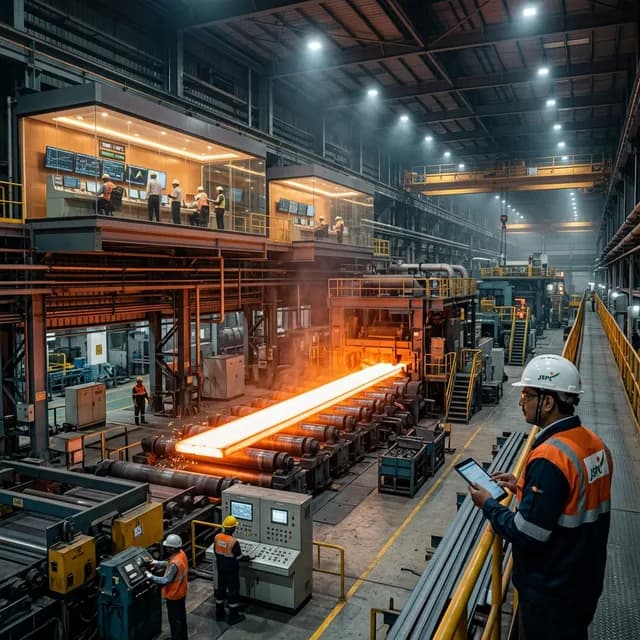 Technical Compliance
CBAM and Trade Finance: Impact on Letter of Credit Terms for Steel Exports
Explore how CBAM affects Letter of Credit terms for Indian steel exporters navigating EU regulations.
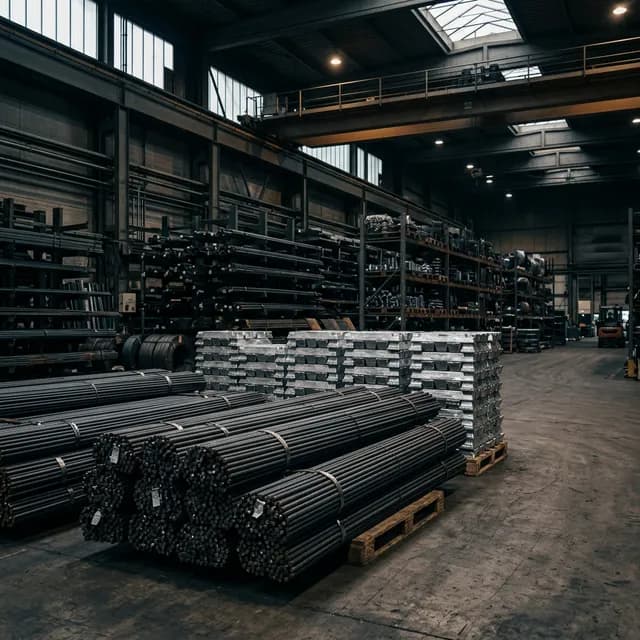 Technical Compliance
Banking and Finance: CBAM Impact on Steel Export Financing
Explore how the EU's CBAM affects financing for Indian steel exports.
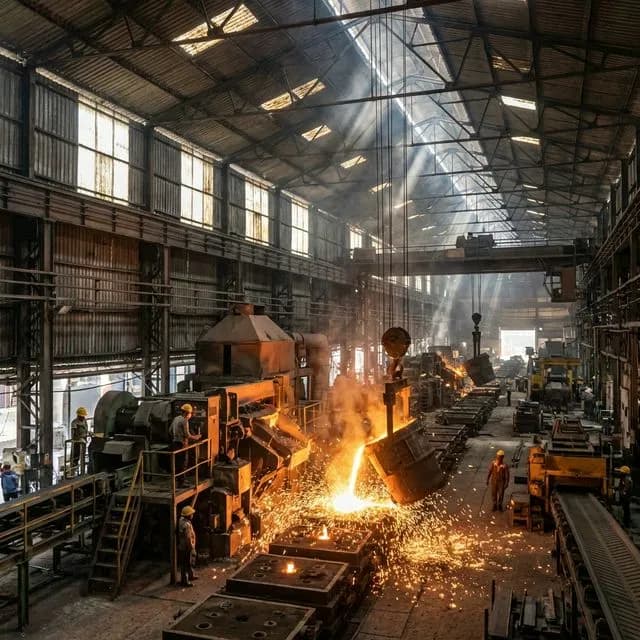 Technical Compliance
Scrap Steel Usage: Impact on Embedded Emission Intensity
Explore how scrap steel usage influences embedded emission intensity in manufacturing.