Key Takeaways
- Scale and mill slag recycling can significantly reduce emissions in steel production.
- Accurate data collection and verification of recycling processes are essential for CBAM compliance.
- Understanding the implications of the EU's CBAM regulation is crucial for Indian MSMEs in the steel industry.
Introduction
As Indian exporters gear up to meet the stringent requirements of the European Union's Carbon Border Adjustment Mechanism (CBAM), understanding the nuances of emissions calculations becomes imperative. Regulation (EU) 2023/956 outlines the framework for how carbon emissions from imported goods, particularly in energy-intensive sectors like steel, cement, and aluminum, will be assessed. Among the various factors influencing these calculations, the recycling of scale and mill slag emerges as a critical component that Indian manufacturers must address to optimize their emissions profile and ensure compliance.
Understanding Scale and Mill Slag
Scale refers to the oxide layer that forms on the surface of steel during the hot-rolling process, while mill slag is a byproduct generated during the steel-making process. Both materials can pose environmental challenges if not managed correctly. However, they also present opportunities for recycling, which can significantly reduce the carbon footprint associated with steel production.
The Role of Recycling in Emission Calculations
Recycling scale and mill slag can contribute to a lower emissions factor in the production of steel. For instance, the reuse of these materials can displace the need for virgin materials, reducing the overall energy consumption and emissions associated with steel production. According to the International Energy Agency (IEA), the recycling of steel can reduce emissions by approximately 75% compared to the production of new steel from iron ore.
See what CBAM will cost your buyer
Free 30-second check — pick your product and tonnage, get your buyer-side savings number.
Operational Steps for Indian MSMEs
To effectively leverage the benefits of scale and mill slag recycling, Indian MSMEs must undertake specific operational steps:
1. Data Collection
Accurate and comprehensive data collection is the first step in ensuring compliance with Regulation (EU) 2023/956. Manufacturers should gather information on:
- The quantity of scale and mill slag produced.
- The methods of recycling employed.
- The emissions factors associated with both the recycling processes and the subsequent production of steel.
2. Verifying HS Codes
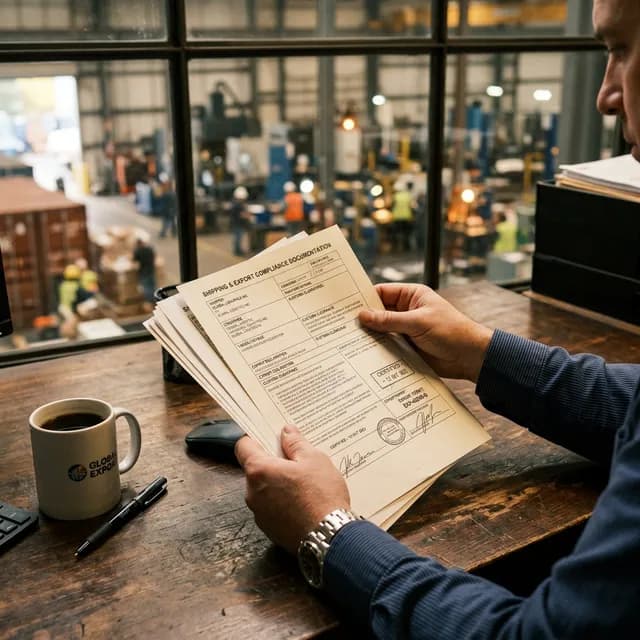
Correctly classifying products under the Harmonized System (HS) codes is essential for accurate emissions reporting. Indian exporters must ensure that the HS codes used for their products reflect the actual materials and processes involved. This includes identifying codes relevant to recycled materials, which may have different emissions factors compared to their virgin counterparts.
3. Reporting to Authorities
Once data is collected and verified, Indian MSMEs must report their emissions to the relevant authorities as stipulated by the CBAM. This includes detailing the amount of recycled scale and mill slag utilized in production, as well as providing evidence of the recycling processes employed. Non-compliance can result in significant penalties, including tariffs that could reach up to €30 per ton of CO2 emitted, which could severely impact the competitiveness of Indian exports in the European market.
The Impact of Scale and Mill Slag Recycling on CBAM Compliance
The integration of recycled materials into production processes not only aids in emissions reduction but also plays a pivotal role in determining compliance with CBAM. The following factors highlight the influence of scale and mill slag recycling on emissions calculations:
1. Reduction of Emission Factors
The use of recycled materials can lower the emissions factor associated with steel production. For example, the emissions factor for steel produced using 100% recycled materials can be as low as 0.3 tons of CO2 per ton of steel, compared to 1.8 tons of CO2 for steel produced from virgin materials. This stark difference underscores the importance of recycling in achieving lower emissions and, consequently, lower costs associated with CBAM compliance.
2. Enhanced Competitiveness
By reducing emissions through recycling, Indian MSMEs can enhance their competitiveness in the European market. Lower emissions not only translate to reduced costs associated with CBAM tariffs but also align with the increasing demand for sustainable products among European consumers.
2025-2026 Regulatory Impact for India
Looking ahead to the regulatory landscape in 2025-2026, Indian exporters must prepare for potential changes in CBAM compliance requirements. As the EU continues to refine its climate policies, Indian MSMEs should anticipate an increased focus on transparency in emissions reporting and a stronger emphasis on the sustainability of supply chains.
Anticipated Changes
- Enhanced Reporting Requirements: There may be stricter guidelines on how emissions are calculated and reported, including more detailed disclosures on the use of recycled materials.
- Incentives for Recycling: The EU may introduce incentives for companies that demonstrate effective recycling practices, further encouraging Indian MSMEs to invest in recycling technologies.
- Penalties for Non-Compliance: As enforcement mechanisms become more robust, Indian exporters must be vigilant about meeting compliance deadlines to avoid penalties.
Conclusion
As Indian MSMEs navigate the complexities of the EU's CBAM, understanding the role of scale and mill slag recycling in emissions calculations is crucial. By implementing effective data collection, verifying HS codes, and ensuring accurate reporting, Indian manufacturers can not only comply with Regulation (EU) 2023/956 but also position themselves favorably in a competitive market.
Call to Action
To ensure your organization is prepared for the upcoming regulatory changes and to optimize your emissions tracking, consider conducting a CBAM readiness assessment. This proactive approach will help you identify potential gaps in compliance and leverage recycling opportunities to reduce your carbon footprint.
Frequently asked questions
1. What is the Carbon Border Adjustment Mechanism (CBAM)?
2. How does scale and mill slag recycling affect emissions calculations?
3. What are the penalties for non-compliance with CBAM?
4. How can Indian MSMEs prepare for CBAM compliance?
Compliance disclaimer
Strategies described here are for educational purposes. CBAM regulations (EU 2023/956) evolve quarterly — always verify with your accredited verifier before filing definitive reports.
We’ll do your entire CBAM quarter — ₹0.
A dedicated CBAM expert plus our AI do the whole April–June 2026 report end-to-end: your factory data in, verified actual emissions out — so your buyer pays your real number, not the inflated EU default. The report is yours to keep.
Start your report by 30 September 2026 to claim the free quarter.
Bills, logs, photos — one afternoon.
Verified actuals, EU XML, audit standard.
Yours to keep. ₹0 this quarter.
Prefer to talk? +91 76250 95885 · or run a 30-second savings check first
The complete CBAM guide for Indian exporters
The full compliance roadmap — CN codes, emissions, deadlines, penalties and how to keep your EU orders.
More CBAM guidance for Indian exporters
 Technical Compliance
Blast Furnace Slag: Byproduct Accounting and CBAM Emission Allocation
Understanding the role of blast furnace slag in CBAM emission allocation for Indian exporters.
 Technical Compliance
Uncertainty Analysis in CBAM Emission Calculations
A detailed examination of uncertainty analysis in CBAM emission calculations for compliance and regulatory adherence.
 Technical Compliance
Heat Recovery Systems: Impact on CBAM Emission Calculations
Technical guidance on heat recovery system integration in EU CBAM carbon accounting for Indian steel exporters under Regulation 2023/956