Key Takeaways
- The EU's Carbon Border Adjustment Mechanism (CBAM) is reshaping financing terms offered by Export Credit Agencies (ECAs).
- Exporters must adapt to new requirements related to carbon emissions in their financing applications.
- ECAs are increasingly incorporating sustainability criteria into their risk assessments, affecting loan approvals and terms.
- Understanding the implications of CBAM is crucial for exporters to ensure compliance and maintain competitiveness in the EU market.
Introduction
The European Union's Carbon Border Adjustment Mechanism (CBAM), established under Regulation (EU) 2023/956, is a significant regulatory development aimed at addressing carbon emissions associated with imported goods. As Indian exporters, particularly those in high-emission sectors such as steel, cement, and aluminum, look to penetrate the European market, they must navigate the complexities introduced by CBAM. This regulation not only impacts the cost of doing business but also alters the financing landscape provided by Export Credit Agencies (ECAs).
ECAs play a pivotal role in facilitating international trade by providing financing solutions and risk mitigation tools to exporters. However, with the introduction of CBAM, the terms and conditions of financing are evolving. This article delves into how CBAM is influencing ECAs' financing terms and what Indian exporters need to consider to remain competitive.
Understanding CBAM and Its Implications
CBAM is designed to equalize the price of carbon between domestic and imported products, creating a level playing field for EU manufacturers. Under this regulation, certain imported goods will incur a carbon price based on their emissions during production. For Indian exporters, this means that the cost of compliance will likely increase, and they will need to demonstrate their carbon footprint to avoid penalties.
Key Components of CBAM
- Scope of Products: CBAM initially targets sectors with high carbon emissions, including steel, cement, and aluminum. Indian exporters in these sectors must be particularly vigilant.
- Emissions Reporting: Exporters will need to report the embedded emissions of their products, which will be verified by EU authorities.
- Financial Penalties: Non-compliance with emissions reporting can result in significant penalties, which could reach up to €30 per ton of CO2 emitted.
See what CBAM will cost your buyer
Free 30-second check — pick your product and tonnage, get your buyer-side savings number.
The Role of Export Credit Agencies (ECAs)
Export Credit Agencies are government-backed institutions that provide financing and insurance to domestic companies looking to expand into international markets. They play a crucial role in supporting exporters by mitigating risks associated with foreign transactions.
ECA Financing Terms and CBAM
With the implementation of CBAM, ECAs are adjusting their financing terms to incorporate sustainability metrics. This shift is primarily driven by the following factors:
- Sustainability Risk Assessment: ECAs are increasingly evaluating the sustainability practices of exporters. Companies demonstrating proactive carbon management strategies may receive more favorable financing terms.
- Cost of Capital: As ECAs adjust their risk models to account for carbon emissions, the cost of capital for high-emission exporters may rise. This change will require Indian exporters to reassess their financing strategies.
- Incentives for Low-Carbon Technologies: ECAs may offer better financing terms for exporters investing in low-carbon technologies, encouraging a shift towards greener practices.
Operational Steps for Indian Exporters
To navigate the changing financing landscape influenced by CBAM, Indian exporters must take proactive steps. Here are some operational strategies to consider:
Data Collection and Emission Tracking
- Gather Emission Data: Exporters should collect comprehensive data on their production processes to assess the carbon emissions associated with their products.
- Utilize Emission Factors: Familiarize yourself with relevant emission factors for your industry. For instance, the emission factor for steel production can vary significantly based on the technology used, ranging from 1.8 to 2.2 tons of CO2 per ton of steel produced.
- Implement Tracking Systems: Invest in systems that allow for real-time tracking of emissions to ensure accurate reporting.
Verify HS Codes and Product Classification
- Understand HS Codes: Ensure that the Harmonized System (HS) codes used in export documentation accurately reflect the products being exported. Misclassification can lead to compliance issues under CBAM.
- Consult with Experts: Engage with customs and trade compliance experts to verify that your products are classified correctly, minimizing the risk of penalties.
Reporting and Compliance
- Prepare for Reporting Requirements: Familiarize yourself with the reporting requirements set forth by the EU under CBAM. This includes understanding the timeline for submission and the necessary documentation.
- Engage with Legal Advisors: Consult with legal experts who specialize in EU regulations to ensure compliance with all aspects of CBAM, including emissions reporting.
2025-2026 Regulatory Impact for India
As the EU continues to refine the CBAM framework, Indian exporters should anticipate further regulatory developments that may impact their operations. By 2025-2026, it is expected that:
- Expanded Product Coverage: Additional products may fall under CBAM regulations, necessitating broader compliance efforts from Indian exporters.
- Increased Penalties: As enforcement mechanisms strengthen, penalties for non-compliance could rise, further emphasizing the need for accurate emissions reporting.
- Greater ECA Scrutiny: ECAs are likely to intensify their scrutiny of exporters’ sustainability practices, making it essential for Indian MSMEs to adopt green technologies and practices.
Conclusion
The introduction of CBAM represents a transformative shift in the landscape of international trade, particularly for Indian exporters in high-emission sectors. As financing terms from Export Credit Agencies evolve to incorporate sustainability metrics, exporters must adapt to remain competitive. By implementing robust emissions tracking systems, ensuring accurate product classification, and preparing for compliance with CBAM requirements, Indian MSMEs can navigate the challenges posed by this regulation effectively.
Call to Action
To ensure your business is prepared for the changes brought about by CBAM, consider conducting a CBAM readiness assessment or enhancing your emissions tracking capabilities. By taking these proactive steps, you can position your company for success in the evolving European market.
Frequently asked questions
1: What is CBAM?
2: How will CBAM affect financing from ECAs?
3: What steps should Indian exporters take to comply with CBAM?
Compliance disclaimer
Strategies described here are for educational purposes. CBAM regulations (EU 2023/956) evolve quarterly — always verify with your accredited verifier before filing definitive reports.
We’ll do your entire CBAM quarter — ₹0.
A dedicated CBAM expert plus our AI do the whole April–June 2026 report end-to-end: your factory data in, verified actual emissions out — so your buyer pays your real number, not the inflated EU default. The report is yours to keep.
Start your report by 30 September 2026 to claim the free quarter.
Bills, logs, photos — one afternoon.
Verified actuals, EU XML, audit standard.
Yours to keep. ₹0 this quarter.
Prefer to talk? +91 76250 95885 · or run a 30-second savings check first
The complete CBAM guide for Indian exporters
The full compliance roadmap — CN codes, emissions, deadlines, penalties and how to keep your EU orders.
More CBAM guidance for Indian exporters
 Technical Compliance
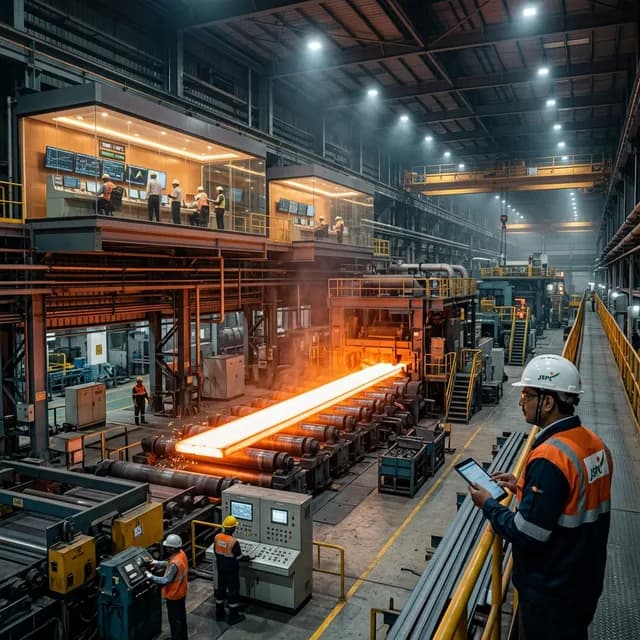
CBAM and Trade Finance: Impact on Letter of Credit Terms for Steel Exports
Explore how CBAM affects Letter of Credit terms for Indian steel exporters navigating EU regulations.
 Technical Compliance
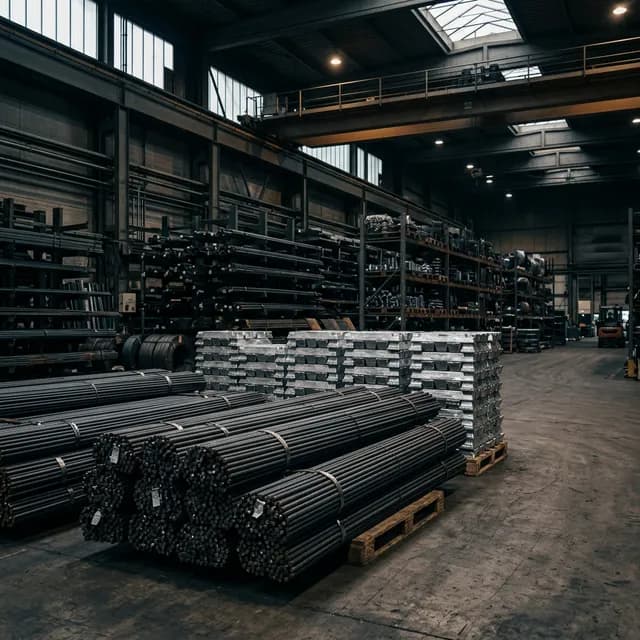
Banking and Finance: CBAM Impact on Steel Export Financing
Explore how the EU's CBAM affects financing for Indian steel exports.
 Technical Compliance
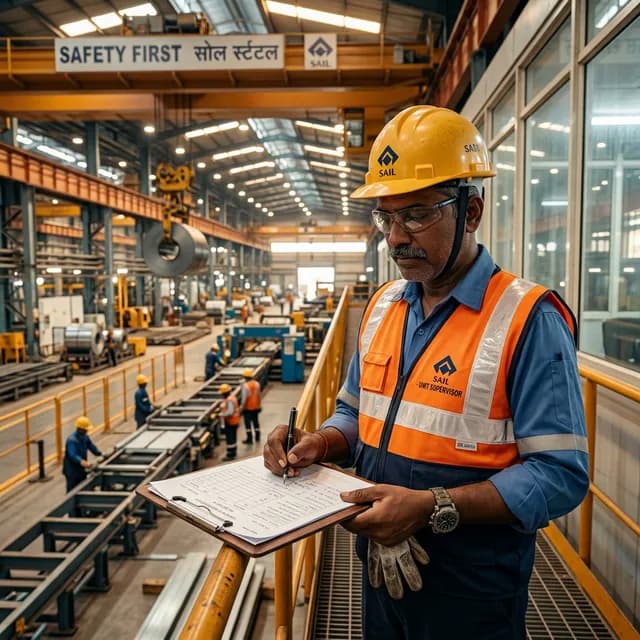
A CBAM Non-Compliance Risk Matrix for Indian Export Managers
Navigate EU CBAM risks for Indian exports. This guide helps Indian MSMEs identify, assess, and mitigate non-compliance penalties and financial exposure under the Carbon Border Adjustment Mechanism.