
Key Takeaways
- The EU's Carbon Border Adjustment Mechanism (CBAM) is a significant regulatory change affecting Indian exporters, particularly in carbon-intensive sectors.
- Understanding the implications of CBAM is crucial for compliance and maintaining market access in the EU.
- Proactive measures, including accurate data collection and emissions tracking, are essential for Indian MSMEs to adapt to this regulation.
Introduction
As Indian exporters navigate the complexities of international trade, the implementation of the EU's Carbon Border Adjustment Mechanism (CBAM) poses both challenges and opportunities. The regulation, established under Regulation (EU) 2023/956, aims to reduce carbon emissions by imposing a carbon cost on imported goods, particularly in high-emission sectors such as steel, cement, and aluminum. This article addresses the top 10 questions that Indian exporters frequently ask about CBAM, providing clarity and actionable insights to facilitate compliance and strategic planning.
1. What is CBAM and why is it relevant to Indian exporters?
CBAM is a regulatory framework introduced by the European Union to ensure that imported goods reflect the carbon emissions associated with their production. For Indian exporters, particularly in carbon-intensive industries, CBAM is relevant because it will directly impact the cost of doing business in Europe. As of 2026, exporters will be required to purchase CBAM certificates equivalent to the carbon emissions embedded in their products, which could lead to increased costs and affect competitiveness.
2. Which products are subject to CBAM?
The products subject to CBAM primarily include:
- Iron and steel
- Cement
- Aluminum
- Fertilizers
- Electricity
Indian MSMEs involved in manufacturing these goods must carefully assess their product lines to determine exposure to CBAM and plan accordingly.
3. How will CBAM affect the pricing of Indian exports?
The pricing of Indian exports could be significantly affected by CBAM. With the introduction of carbon certificates, exporters may face additional costs ranging from €20 to €50 per ton of CO2 emitted, depending on market conditions. This cost will need to be factored into pricing strategies to maintain competitiveness in the EU market.
See what CBAM will cost your buyer
Free 30-second check — pick your product and tonnage, get your buyer-side savings number.
4. What data do Indian exporters need to collect for compliance?
To comply with CBAM, Indian exporters must collect comprehensive data on:
- Production processes and associated emissions
- Energy consumption metrics
- Supply chain emissions, including upstream activities
- Accurate classification of goods under Harmonized System (HS) codes
This data will be crucial for calculating the carbon footprint of products and for reporting purposes.
5. How do I verify the correct HS codes for my products?
Verifying HS codes is critical for compliance with CBAM. Exporters should:
- Consult the latest EU customs tariff database to ensure accurate classification.
- Engage with customs experts or trade consultants familiar with EU regulations.
- Regularly review product specifications to ensure that HS codes reflect current manufacturing practices.
Incorrect HS codes can lead to miscalculations of carbon emissions and potential penalties.
6. What are the penalties for non-compliance with CBAM?
Non-compliance with CBAM can lead to significant penalties. If an exporter fails to report emissions accurately or does not purchase the required carbon certificates, they may face fines up to €100,000 or more, depending on the severity of the violation. Additionally, non-compliant products may be barred from entering the EU market.
7. How can Indian exporters prepare for CBAM implementation?
Preparation for CBAM involves:
- Conducting a thorough emissions audit to understand current carbon footprints.
- Developing a robust emissions tracking system to monitor and report data accurately.
- Engaging with stakeholders, including suppliers and logistics partners, to ensure transparency in the supply chain.
By taking these steps, Indian exporters can enhance their readiness for CBAM and mitigate potential risks.
8. What role does emissions tracking play in compliance?
Emissions tracking is integral to compliance with CBAM. It enables exporters to:
- Accurately calculate the carbon content of their products.
- Ensure that they purchase the correct number of CBAM certificates.
- Provide transparent and verifiable data to EU authorities upon request.
Implementing an effective emissions tracking system can provide a competitive advantage in the EU market.
9. Will there be any support from the Indian government for exporters?
The Indian government is aware of the challenges posed by CBAM and is working on strategies to support exporters. This may include:
- Providing guidance on compliance requirements.
- Offering financial assistance or incentives for emissions reduction technologies.
- Facilitating dialogues between Indian exporters and EU regulatory bodies.
Exporters are encouraged to stay informed about government initiatives and leverage available resources.
10. What is the timeline for CBAM implementation?
The CBAM will be phased in gradually. The initial reporting phase began in 2023, with full implementation expected by 2026. Indian exporters should be aware of this timeline and prepare accordingly to ensure compliance by the deadline.
2025-2026 Regulatory Impact for India
As the full implementation of CBAM approaches in 2026, Indian exporters must brace for significant regulatory impacts. The transition period from 2023 to 2026 will be critical for Indian MSMEs to adapt their operations, enhance sustainability practices, and align with EU standards. Failure to comply could lead to substantial financial repercussions and loss of market access.
Call to Action
As the landscape of international trade evolves with the introduction of CBAM, Indian exporters must take proactive steps to assess their readiness. A comprehensive CBAM readiness assessment can help identify gaps in compliance, improve emissions tracking, and ensure that your business remains competitive in the EU market. Reach out to us for tailored solutions and support in navigating this complex regulatory environment.
Frequently asked questions
1: How can I find out more about CBAM?
2: What are the key changes expected in the CBAM regulation?
3: Is there a specific certification process for Indian exporters under CBAM?
4: Can I reduce my carbon footprint to mitigate CBAM costs?
5: Where can I get assistance for emissions tracking?
Compliance disclaimer
Strategies described here are for educational purposes. CBAM regulations (EU 2023/956) evolve quarterly — always verify with your accredited verifier before filing definitive reports.
We’ll do your entire CBAM quarter — ₹0.
A dedicated CBAM expert plus our AI do the whole April–June 2026 report end-to-end: your factory data in, verified actual emissions out — so your buyer pays your real number, not the inflated EU default. The report is yours to keep.
Start your report by 30 September 2026 to claim the free quarter.
Bills, logs, photos — one afternoon.
Verified actuals, EU XML, audit standard.
Yours to keep. ₹0 this quarter.
Prefer to talk? +91 76250 95885 · or run a 30-second savings check first
The complete CBAM guide for Indian exporters
The full compliance roadmap — CN codes, emissions, deadlines, penalties and how to keep your EU orders.
More CBAM guidance for Indian exporters
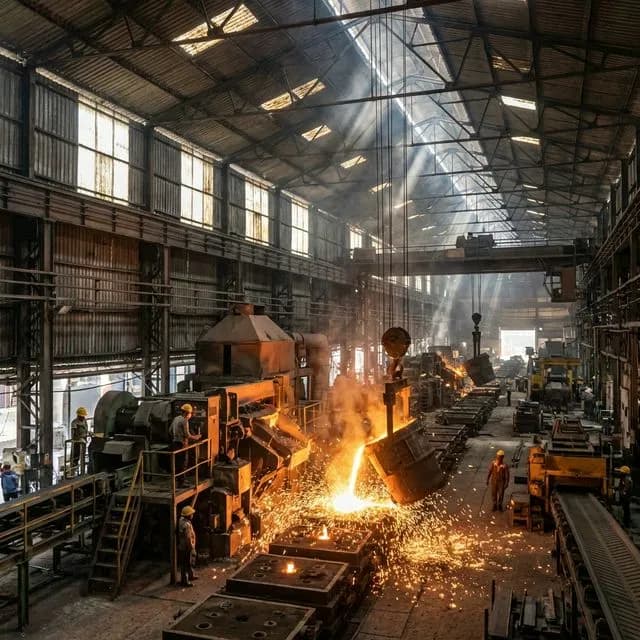 Technical Compliance
Galvanized and Coated Steel: How Coatings Change Your CBAM Emission Number
Indian steel exporters, understand how galvanizing and coatings impact your CBAM emissions. Learn to accurately calculate and report for EU compliance.
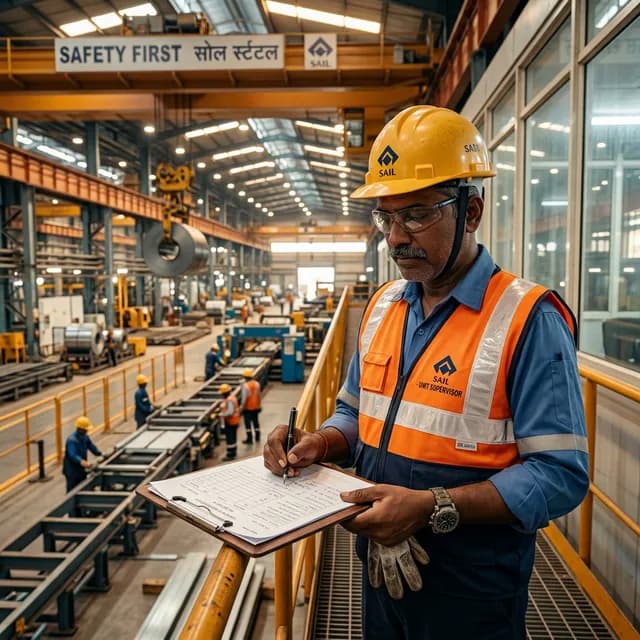 Technical Compliance
CBAM Quarterly Data: What Your EU Buyer Asks For Every Quarter in 2026
Indian exporters, prepare for CBAM! Learn what quarterly data your EU buyers will demand from 2026 for steel, cement, aluminium, fertilizers, and hydrogen. Get practical steps for compliance and avoid penalties.
 Technical Compliance
CBAM Annual Declaration 2026: What Gets Filed, By Whom, and When
Indian exporters, prepare for the EU CBAM annual declaration in 2026. Learn what data is required, who files it, and critical deadlines to avoid penalties. Get expert CBAM compliance services in India.