Key Takeaways
- Blast furnace slag (BFS) is a significant byproduct in steel production that can influence CBAM compliance.
- Proper accounting of BFS can reduce the carbon footprint attributed to steel production.
- Understanding the emission allocation for BFS is crucial for Indian MSMEs exporting to the EU under CBAM regulations.
Introduction
As Indian MSMEs and exporters navigate the complexities of the European Union's Carbon Border Adjustment Mechanism (CBAM), understanding the role of byproducts such as blast furnace slag (BFS) becomes increasingly critical. The CBAM, established under Regulation (EU) 2023/956, aims to reduce carbon leakage by imposing a carbon cost on imports of certain goods, including steel. This article will provide technical guidance on how Indian exporters can account for BFS in their emissions calculations, ensuring compliance with the CBAM while optimizing their carbon footprint.
Understanding Blast Furnace Slag
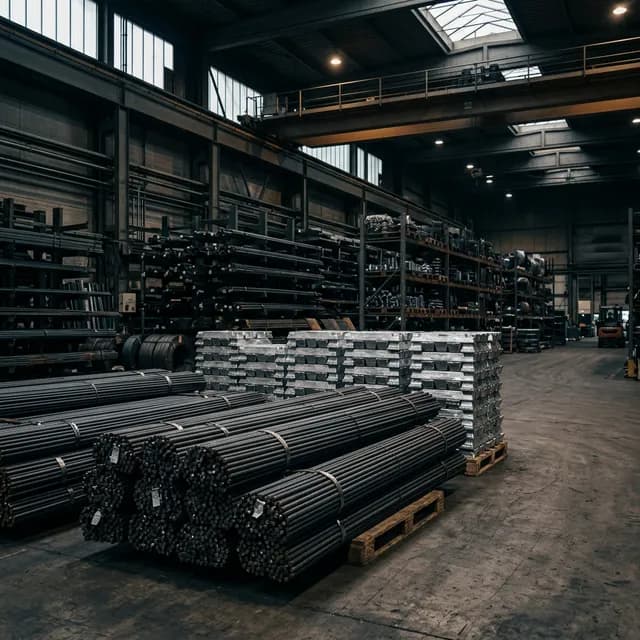
Blast furnace slag is a byproduct of the iron and steel manufacturing process, formed when iron ore, coke, and limestone are melted together in a blast furnace. The slag, which is non-metallic, can be utilized in various applications, including cement production, road construction, and as a soil amendment. Its utilization not only reduces waste but also contributes to lower carbon emissions when used as a partial replacement for Portland cement.
Emission Factors and Accounting for BFS
Under the CBAM framework, emission factors play a crucial role in determining the carbon intensity of produced goods. The emissions associated with BFS must be accurately accounted for to avoid unnecessary penalties.
-
Emission Factors: According to the EU's guidelines, the average carbon emissions for steel production range between 1.5 to 2.0 tons of CO2 per ton of crude steel. However, when BFS is recycled or utilized effectively, the emissions attributed to the production process can be reduced. The EU recognizes that utilizing BFS can lead to a decrease in the overall emissions factor, potentially lowering it by up to 0.5 tons of CO2 per ton of steel.
-
Byproduct Accounting: Indian exporters should ensure that they maintain detailed records of BFS production. This includes the quantity of BFS generated per ton of steel produced and its subsequent utilization. Accurate accounting will allow exporters to claim reductions in their carbon emissions, aligning with the requirements set forth in Regulation (EU) 2023/956.
See what CBAM will cost your buyer
Free 30-second check — pick your product and tonnage, get your buyer-side savings number.
Steps for Compliance with CBAM
To effectively manage the emissions related to BFS and ensure compliance with the CBAM, Indian MSMEs should follow these operational steps:
Step 1: Data Collection
- Production Data: Maintain detailed records of steel production, including quantities of raw materials used and BFS generated.
- Utilization Records: Document the amount of BFS that is recycled or sold for use in other applications. This data is essential for calculating the net emissions attributable to steel production.
Step 2: Verifying HS Codes
- Harmonized System Codes: Ensure that products containing BFS are classified correctly under the appropriate HS codes when exporting to the EU. Misclassification can lead to compliance issues and potential penalties.
Step 3: Reporting
- Annual Reporting: Indian exporters must prepare an annual report detailing their emissions, including those associated with BFS. This report should be submitted to the relevant EU authorities as part of the CBAM compliance process.
- Transparency and Accuracy: Ensure that all data presented in the report is accurate and verifiable. This will help in building trust with EU regulators and minimizing the risk of audits or penalties.
2025-2026 Regulatory Impact for India
The regulatory landscape surrounding the CBAM is expected to evolve significantly by 2025-2026. As the EU continues to tighten its carbon regulations, Indian exporters must be proactive in adapting to these changes.
-
Increased Penalties: The penalties for non-compliance with the CBAM are projected to rise, with potential fines reaching up to €100 per ton of CO2 emissions exceeding the allowed limits. Indian MSMEs should prepare for these potential costs by optimizing their production processes and reducing emissions.
-
Enhanced Reporting Requirements: The EU may introduce more stringent reporting requirements, necessitating more granular data on emissions related to byproducts like BFS. Indian exporters should invest in robust data management systems to ensure compliance with these future regulations.
-
Market Opportunities: As the EU markets increasingly favor low-carbon products, Indian MSMEs that effectively utilize BFS and reduce their carbon footprint will likely find enhanced market opportunities in Europe.
Conclusion
The proper accounting and management of blast furnace slag is vital for Indian exporters navigating the complexities of the EU's CBAM. By understanding the emission factors associated with BFS, accurately reporting production data, and preparing for future regulatory changes, Indian MSMEs can optimize their compliance strategies and reduce their overall carbon impact.
As the EU moves towards stricter carbon regulations, it is essential for Indian exporters to assess their readiness for CBAM compliance. This includes evaluating their emissions tracking capabilities and ensuring that byproducts like BFS are effectively utilized to minimize carbon liabilities.
Call to Action
For Indian MSMEs looking to enhance their CBAM readiness, we recommend conducting a comprehensive CBAM readiness assessment. This evaluation will help identify gaps in emissions tracking and compliance processes, ensuring that your business is well-prepared for the evolving regulatory landscape.
Frequently asked questions
What is blast furnace slag and why is it important for CBAM?
How can Indian exporters ensure compliance with CBAM?
What are the penalties for non-compliance with CBAM?
How will future regulations impact Indian MSMEs?
Compliance disclaimer
Strategies described here are for educational purposes. CBAM regulations (EU 2023/956) evolve quarterly — always verify with your accredited verifier before filing definitive reports.
We’ll do your entire CBAM quarter — ₹0.
A dedicated CBAM expert plus our AI do the whole April–June 2026 report end-to-end: your factory data in, verified actual emissions out — so your buyer pays your real number, not the inflated EU default. The report is yours to keep.
Start your report by 30 September 2026 to claim the free quarter.
Bills, logs, photos — one afternoon.
Verified actuals, EU XML, audit standard.
Yours to keep. ₹0 this quarter.
Prefer to talk? +91 76250 95885 · or run a 30-second savings check first
The complete CBAM guide for Indian exporters
The full compliance roadmap — CN codes, emissions, deadlines, penalties and how to keep your EU orders.
More CBAM guidance for Indian exporters
 Technical Compliance
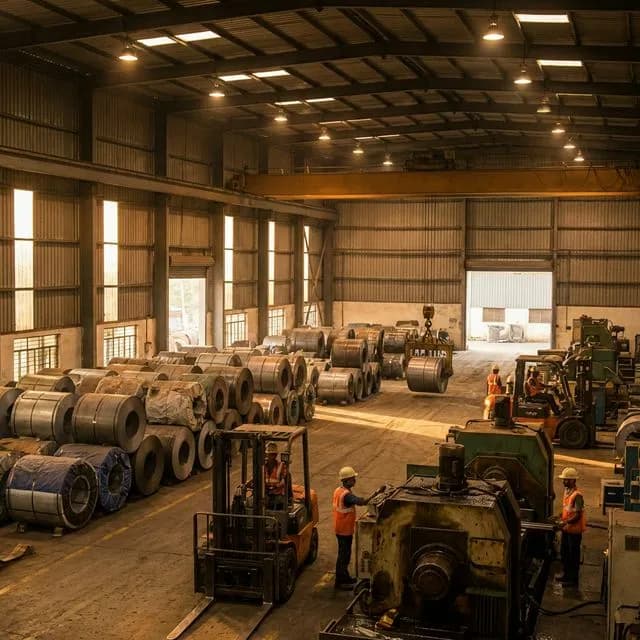
Electric Arc Furnace vs Blast Furnace: CBAM Emission Factor Comparison
Technical analysis of EAF vs BF emission factors for EU CBAM compliance. Critical guidance for Indian steel exporters on carbon intensity calculations.
 Technical Compliance
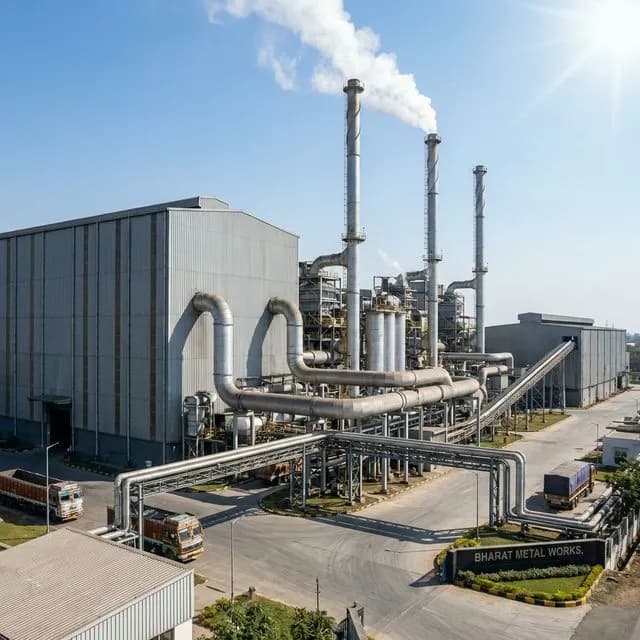
Heat Treatment Processes: Annealing and Tempering Emission Accounting
Explore emission accounting for heat treatment processes like annealing and tempering, focusing on compliance and operational efficiency.
 Technical Compliance
Scale and Mill Slag Recycling: How It Affects CBAM Emission Calculations
Understand how scale and mill slag recycling impacts CBAM emissions for Indian exporters.