Key Takeaways
- The EU's CBAM introduces new compliance requirements that directly impact trade finance, particularly for Letter of Credit (LoC) terms.
- Indian steel exporters must adapt to the new emissions reporting framework and ensure compliance to avoid penalties.
- Understanding the interplay between CBAM regulations and trade finance can enhance competitiveness in the EU market.
Introduction
The European Union's Carbon Border Adjustment Mechanism (CBAM), as outlined in Regulation (EU) 2023/956, is poised to significantly impact the trade landscape for Indian exporters, particularly those in high-emission sectors like steel. As Indian MSMEs look to penetrate or expand their presence in the European market, understanding the implications of CBAM on trade finance—specifically on Letter of Credit (LoC) terms—becomes critical. This article delves into the operational steps Indian manufacturers must undertake to align their financial instruments with the new regulatory framework.
Understanding CBAM: A Brief Overview
The CBAM is designed to level the playing field between EU producers, who are subject to stringent carbon pricing, and foreign manufacturers who may not face similar regulations. Under CBAM, importers of certain goods, including steel, will need to purchase carbon certificates corresponding to the emissions produced during the manufacturing process. The initial phase of implementation begins in 2023, with full enforcement expected by 2026.
Key Elements of CBAM:
- Carbon Certificates: Importers must buy certificates equivalent to the carbon emissions associated with their imports.
- Reporting Obligations: Importers need to report the emissions associated with their products, necessitating detailed data collection and verification.
- Penalties for Non-compliance: Failing to comply with CBAM regulations can lead to substantial penalties, estimated at €100 per ton of carbon dioxide emissions.
See what CBAM will cost your buyer
Free 30-second check — pick your product and tonnage, get your buyer-side savings number.
The Impact of CBAM on Trade Finance
The introduction of CBAM directly influences the terms of Letters of Credit (LoCs) used in trade finance for steel exports. Traditionally, LoCs facilitate secure transactions between buyers and sellers by ensuring that payment is made once specific conditions are met. However, with the added layer of compliance and emissions reporting, the terms of these financial instruments will need to adapt.
Key Considerations for Indian Exporters:
- Compliance Verification: Banks may require proof of compliance with CBAM regulations before issuing an LoC. This may include documentation of carbon emissions and any certificates purchased.
- Risk Assessment: Financial institutions will likely reassess the credit risk associated with exporters who cannot demonstrate compliance, potentially leading to stricter terms or higher costs.
- Cost Implications: The cost of carbon certificates and the administrative burden of compliance may necessitate adjustments in pricing strategies for Indian steel exporters.
Data Collection and Reporting
For Indian MSMEs to successfully navigate the CBAM landscape, meticulous data collection and reporting processes must be established. Compliance officers should focus on the following steps:
Step 1: Identify and Verify HS Codes
- Harmonized System (HS) Codes: Ensure that the correct HS codes for steel products are identified. This is crucial as the applicability of CBAM depends on the classification of goods.
- Documentation: Maintain accurate records of production processes, including emissions data, to facilitate compliance reporting.
Step 2: Implement Emission Tracking Systems
- Tracking Mechanisms: Develop systems for tracking carbon emissions throughout the production process. This may involve investing in technology or software that can automate data collection and reporting.
- Third-party Verification: Consider engaging third-party auditors to verify emissions data, enhancing credibility and compliance assurance.
Step 3: Prepare for Reporting Requirements
- Documentation for EU Authorities: Ensure that all necessary documentation is prepared for submission to EU authorities, including emissions reports and proof of carbon certificate purchases.
- Training and Capacity Building: Invest in training for compliance officers and relevant staff to ensure they are well-versed in CBAM requirements.
2025-2026 Regulatory Impact for India
As the EU ramps up its enforcement of CBAM regulations, Indian exporters must prepare for significant changes in the regulatory landscape. By 2025, the full implementation of CBAM will require Indian MSMEs to have robust compliance mechanisms in place.
Anticipated Changes:
- Increased Compliance Costs: The costs associated with compliance, including emissions tracking and certificate purchases, are expected to rise, impacting profit margins.
- Market Dynamics: Non-compliance could lead to market barriers, limiting access to the EU market for Indian steel exporters who fail to adapt.
- Competitive Advantage: Proactively addressing CBAM compliance may provide a competitive edge for Indian exporters who can demonstrate lower emissions and sustainable practices.
Practical Steps for Indian MSMEs
To remain competitive in the evolving landscape shaped by CBAM, Indian exporters should take the following actions:
- Conduct a CBAM Readiness Assessment: Evaluate current operations against CBAM requirements to identify gaps in compliance.
- Engage with Financial Institutions: Communicate with banks and trade finance partners to understand how CBAM may affect LoC terms and conditions.
- Develop a Sustainability Strategy: Consider implementing sustainable practices that can reduce emissions and improve competitiveness in the EU market.
Conclusion
The introduction of the EU's CBAM represents a significant shift in the regulatory environment for Indian steel exporters. By understanding the implications of CBAM on trade finance, particularly regarding Letter of Credit terms, Indian MSMEs can better navigate the complexities of compliance. Proactive engagement in emissions tracking and reporting will not only facilitate smoother trade transactions but also enhance competitiveness in the European market.
Frequently asked questions
1: What is the CBAM?
2: How will CBAM affect Letter of Credit terms for Indian steel exporters?
3: What steps should Indian MSMEs take to prepare for CBAM?
4: What are the penalties for non-compliance with CBAM?
5: How can Indian exporters assess their readiness for CBAM?
Compliance disclaimer
Strategies described here are for educational purposes. CBAM regulations (EU 2023/956) evolve quarterly — always verify with your accredited verifier before filing definitive reports.
We’ll do your entire CBAM quarter — ₹0.
A dedicated CBAM expert plus our AI do the whole April–June 2026 report end-to-end: your factory data in, verified actual emissions out — so your buyer pays your real number, not the inflated EU default. The report is yours to keep.
Start your report by 30 September 2026 to claim the free quarter.
Bills, logs, photos — one afternoon.
Verified actuals, EU XML, audit standard.
Yours to keep. ₹0 this quarter.
Prefer to talk? +91 76250 95885 · or run a 30-second savings check first
The complete CBAM guide for Indian exporters
The full compliance roadmap — CN codes, emissions, deadlines, penalties and how to keep your EU orders.
More CBAM guidance for Indian exporters
 Technical Compliance
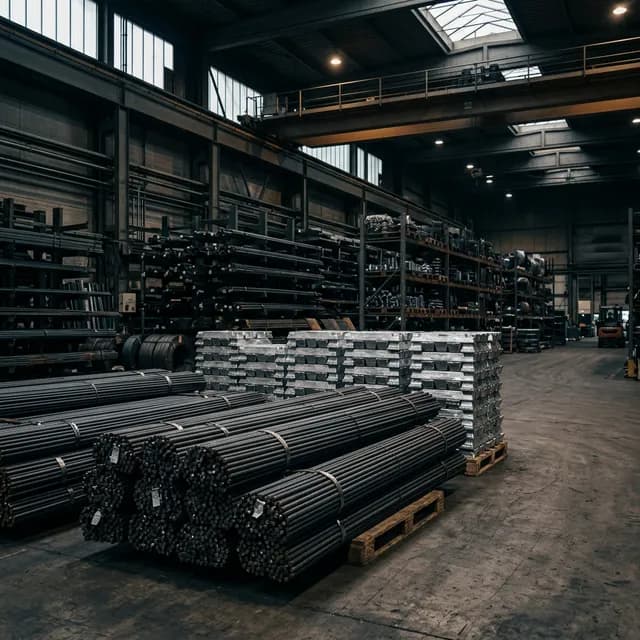
Banking and Finance: CBAM Impact on Steel Export Financing
Explore how the EU's CBAM affects financing for Indian steel exports.
 Technical Compliance
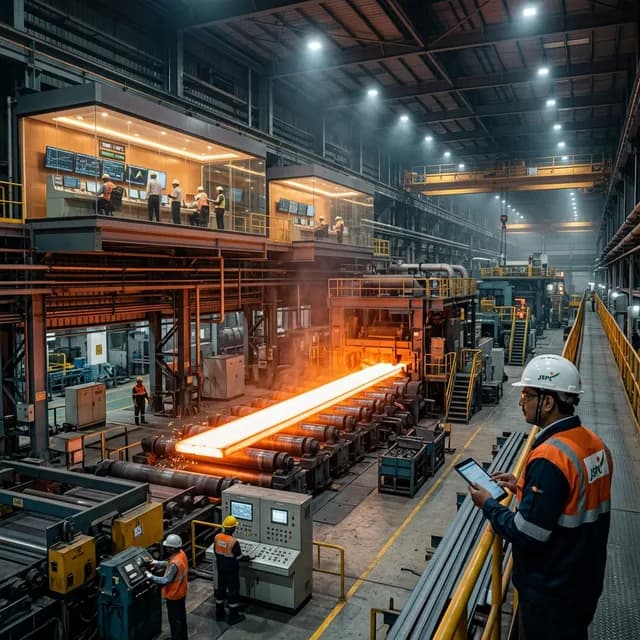
Stainless Steel Exports: Chromium and Nickel Content Impact on CBAM
Understanding how chromium and nickel content in stainless steel affects compliance with EU CBAM regulations.
Technical ComplianceExport Credit Agencies and CBAM: How Financing Terms Are Changing
Explore the impact of CBAM on financing terms from Export Credit Agencies for exporters.