Key Takeaways
- Understand the significance of the EU's CBAM Regulation (EU 2023/956) for Indian exporters.
- Follow a structured 5-day plan to identify compliance gaps.
- Utilize data collection and verification methods to ensure accurate reporting.
- Prepare for impending regulatory impacts on Indian MSMEs, especially in critical sectors like steel and cement.
Introduction
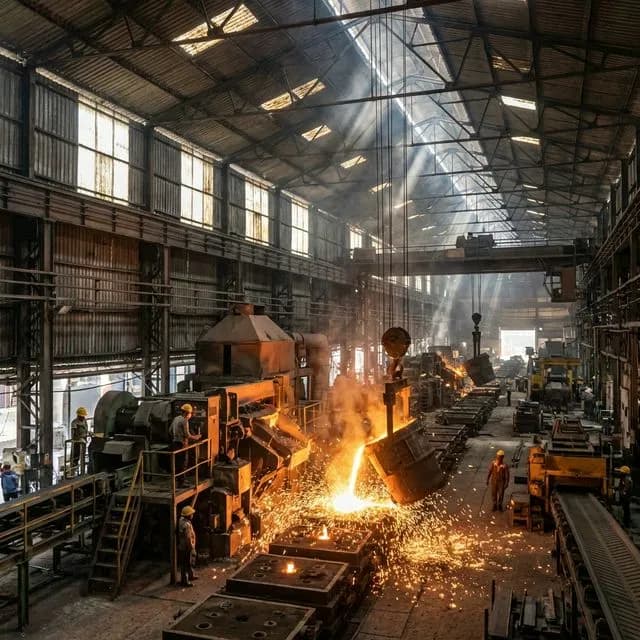
The Carbon Border Adjustment Mechanism (CBAM), as outlined in Regulation (EU) 2023/956, presents a significant shift in how Indian exporters, particularly those in high-emission sectors like steel, cement, and aluminum, will need to operate. With the European Union's commitment to achieving carbon neutrality, Indian MSMEs must conduct a thorough gap analysis to identify their current compliance status and prepare for the upcoming regulations. This article will guide Indian manufacturers through a structured five-day process to conduct a CBAM gap analysis effectively.
Day 1: Understanding CBAM Requirements
1.1 Familiarization with Regulation (EU) 2023/956
The first step in conducting a CBAM gap analysis is to gain a comprehensive understanding of the CBAM requirements. Indian exporters must familiarize themselves with the key provisions of Regulation (EU) 2023/956, which includes:
- Scope of Products: Identify products that fall under the CBAM, including steel, cement, aluminum, and electricity.
- Emission Reporting: Understand the need for comprehensive emissions reporting, including direct and indirect emissions associated with production.
- HS Codes Verification: Ensure that the Harmonized System (HS) codes used for exports align with those defined under the CBAM.
1.2 Initial Data Collection
Begin by gathering relevant data on your production processes, including:
- Emission factors for the materials used in production.
- Production volumes and types of products exported to the EU.
- Current carbon accounting practices within your organization.
See what CBAM will cost your buyer
Free 30-second check — pick your product and tonnage, get your buyer-side savings number.
Day 2: Identifying Compliance Gaps
2.1 Mapping Current Practices
On the second day, Indian MSMEs should map their current practices against the CBAM requirements identified on Day 1. This involves:
- Reviewing existing carbon footprint assessments.
- Identifying any discrepancies between current emissions data and the expected reporting requirements under CBAM.
2.2 Gap Identification
Utilize a gap analysis framework to pinpoint specific areas where compliance may be lacking. Key areas to focus on include:
- Inadequate emission tracking and reporting systems.
- Lack of awareness regarding the specific HS codes applicable to your products.
- Absence of a comprehensive carbon management strategy.
Day 3: Developing an Action Plan
3.1 Prioritizing Gaps
With the gaps identified, the next step is to prioritize them based on their potential impact on compliance and business operations. Factors to consider include:
- Cost Implications: Evaluate potential costs associated with non-compliance, including penalties that could reach up to €30 per ton of CO2 emitted beyond the allocated cap.
- Operational Feasibility: Assess which gaps can be closed quickly and which may require more extensive changes to production processes.
3.2 Action Plan Creation
Draft a detailed action plan that outlines:
- Specific steps to address each identified gap.
- Assign responsibilities to team members or departments.
- Set timelines for implementation.
Day 4: Implementing Changes
4.1 Data Collection Improvements
Focus on enhancing data collection mechanisms. This may involve:
- Implementing new software tools for emissions tracking.
- Training staff on accurate data recording practices.
4.2 Verification of HS Codes
Verify the HS codes used for exports to ensure alignment with CBAM regulations. This may require:
- Consulting with customs experts or using official EU resources.
- Updating internal systems to reflect correct HS codes.
Day 5: Final Review and Reporting
5.1 Review Compliance Status
Conduct a final review of the implemented changes and assess whether all identified gaps have been addressed. This includes:
- Ensuring that all data is accurate and up-to-date.
- Confirming that the reporting processes align with CBAM requirements.
5.2 Reporting and Documentation
Prepare a comprehensive report detailing:
- The findings from the gap analysis.
- Actions taken to address compliance gaps.
- Future recommendations for ongoing compliance monitoring.
2025-2026 Regulatory Impact for India
As the EU continues to solidify its climate policies, Indian exporters must remain vigilant about the evolving landscape of regulations. By 2025-2026, the impact of CBAM will likely intensify, with potential financial implications for non-compliance. Indian MSMEs should anticipate:
- Increased scrutiny on emissions reporting.
- Possible adjustments in carbon pricing mechanisms.
- Greater demand for transparency in supply chain emissions.
To mitigate risks, Indian exporters should continuously update their CBAM readiness assessments and emissions tracking systems, ensuring they are prepared for any regulatory changes.
Conclusion
Conducting a CBAM gap analysis is a critical step for Indian MSMEs engaged in exporting to the EU. By following this structured five-day approach, manufacturers can identify compliance gaps, develop actionable plans, and enhance their readiness for the upcoming regulatory landscape.
As the CBAM implementation date approaches, it is essential for Indian exporters to remain proactive in their emissions management and compliance strategies.
Call to Action
Are you ready for the CBAM challenges ahead? Consider conducting a CBAM readiness assessment or enhancing your emissions tracking systems to ensure compliance and maintain your competitive edge in the European market.
Frequently asked questions
Q1: What is CBAM?
Q2: How does CBAM affect Indian exporters?
Q3: What are the penalties for non-compliance?
Compliance disclaimer
Strategies described here are for educational purposes. CBAM regulations (EU 2023/956) evolve quarterly — always verify with your accredited verifier before filing definitive reports.
We’ll do your entire CBAM quarter — ₹0.
A dedicated CBAM expert plus our AI do the whole April–June 2026 report end-to-end: your factory data in, verified actual emissions out — so your buyer pays your real number, not the inflated EU default. The report is yours to keep.
Start your report by 30 September 2026 to claim the free quarter.
Bills, logs, photos — one afternoon.
Verified actuals, EU XML, audit standard.
Yours to keep. ₹0 this quarter.
Prefer to talk? +91 76250 95885 · or run a 30-second savings check first
The complete CBAM guide for Indian exporters
The full compliance roadmap — CN codes, emissions, deadlines, penalties and how to keep your EU orders.
More CBAM guidance for Indian exporters
 Technical Compliance
CBAM Default Values vs Actual Data: 2026 Cost Analysis for Exporters
EU CBAM default values are set deliberately high — analysts report they can cost 2–4× more than verified actual emissions. See the 2026 default-vs-actual cost gap for Indian steel and aluminium, and the steps to switch to actuals.
 Technical Compliance
India's Steel Export Competitiveness Post-CBAM: A 2025 Analysis
Analyzing the impact of CBAM on India's steel exports and competitiveness in 2025.
 Technical Compliance
Indian Government CBAM Advisory: Summary and Gap Analysis for Manufacturers
A comprehensive analysis of the EU CBAM impact on Indian manufacturers and actionable insights for compliance.