Key Takeaways
- Understanding the EU's CBAM is crucial for Indian exporters.
- A systematic approach to data collection and verification can streamline compliance.
- Building a CBAM system is a multi-step process that requires collaboration across departments.
Introduction
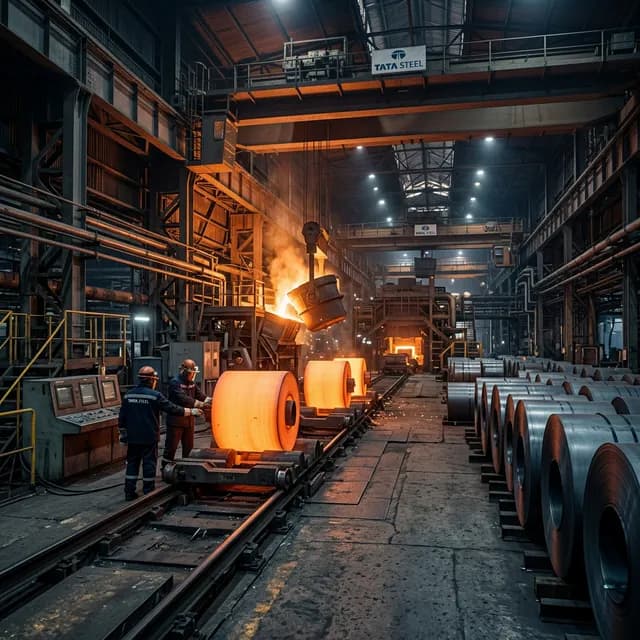
In light of the European Union's Carbon Border Adjustment Mechanism (CBAM) established under Regulation (EU) 2023/956, Indian exporters must navigate a complex landscape of emissions tracking and compliance. This article details how a mid-size Indian exporter in the steel sector successfully built a CBAM system from scratch, ensuring compliance while maintaining competitiveness in the European market.
Understanding the CBAM Framework
The EU's CBAM aims to mitigate carbon leakage by imposing a carbon price on imports of certain goods, including steel, cement, and aluminum, from outside the EU. For Indian MSMEs, this means that any exports to the EU will require meticulous tracking of emissions throughout their production processes.
The CBAM system is designed to level the playing field for EU manufacturers while encouraging global efforts to reduce greenhouse gas emissions. Indian exporters must familiarize themselves with the specific requirements of CBAM, including the need to report emissions data associated with their products.
Step 1: Establishing a Compliance Team
The first step for our mid-size exporter was to establish a dedicated compliance team. This team comprised members from various departments, including production, quality control, finance, and legal. The goal was to foster a cross-functional approach to compliance.
Roles and Responsibilities
- Compliance Officer: Oversee the CBAM compliance strategy and ensure alignment with Regulation (EU) 2023/956.
- Data Analysts: Collect and analyze emissions data from production processes.
- Legal Advisors: Interpret regulatory requirements and guide the compliance team.
- IT Specialists: Develop and maintain the CBAM tracking system.
See what CBAM will cost your buyer
Free 30-second check — pick your product and tonnage, get your buyer-side savings number.
Step 2: Data Collection and Emissions Tracking
Accurate data collection is essential for compliance with CBAM. The exporter implemented a robust data collection system to track emissions from raw material extraction to final product shipping.
Emission Factors
To accurately calculate emissions, the company utilized standardized emission factors. For instance, the emission factor for steel production is approximately 1.85 tons of CO2 per ton of steel produced. This metric became a cornerstone for calculating total emissions associated with their products.
Data Sources
The compliance team identified various data sources, including:
- Production logs
- Energy consumption records
- Supplier emissions data
By aggregating this information, they were able to create a comprehensive emissions profile for each product category.
Step 3: Verifying Harmonized System (HS) Codes
Understanding the correct HS codes for products exported to the EU is crucial for CBAM compliance. The mid-size exporter worked closely with their logistics team to ensure that all products were classified accurately.
Importance of HS Codes
HS codes determine the applicability of CBAM regulations. For example, steel products fall under specific HS codes that require detailed emissions reporting. Incorrect classification could result in penalties or increased carbon costs.
Verification Process
The verification process involved:
- Cross-referencing product specifications with the latest HS code lists.
- Collaborating with customs brokers to ensure compliance with EU import regulations.
Step 4: Emission Reporting and Documentation
Once the data was collected and verified, the next step involved preparing for emissions reporting. The exporter utilized a centralized software system that integrated data from various sources, enabling efficient reporting.
Reporting Requirements
According to Regulation (EU) 2023/956, exporters are required to submit emissions data annually. This includes:
- Total emissions per product
- Emissions intensity (emissions per unit of production)
- Any carbon credits or offsets applied
Documentation Practices
The company established rigorous documentation practices to ensure that all data submitted was accurate and verifiable. This included:
- Maintaining records of all emissions calculations
- Documenting supplier emissions data
- Keeping logs of all internal audits conducted
Step 5: Training and Continuous Improvement
To ensure the sustainability of their CBAM system, the exporter invested in training programs for employees across all departments. This training focused on the importance of emissions tracking and compliance with CBAM regulations.
Training Initiatives
- Workshops on emissions calculation methodologies
- Seminars on the implications of Regulation (EU) 2023/956
- Regular updates on regulatory changes and best practices
The company also implemented a feedback loop to continuously improve their CBAM system based on lessons learned and evolving regulations.
2025-2026 Regulatory Impact for India
As the EU continues to refine its CBAM regulations, Indian exporters must stay vigilant. By 2025, it is anticipated that the EU will expand the scope of CBAM to include additional products and stricter reporting requirements. This could include:
- Increased penalties for non-compliance, potentially reaching €30 per ton of CO2 emissions in 2026.
- Mandatory participation in the EU Emissions Trading System (ETS) for certain sectors.
Indian MSMEs must prepare for these changes by continually updating their compliance strategies and enhancing their emissions tracking capabilities.
Conclusion
Building a robust CBAM system from scratch is a complex but essential undertaking for Indian exporters. By establishing a dedicated compliance team, implementing rigorous data collection practices, verifying HS codes, and investing in training, the mid-size Indian exporter successfully navigated the challenges posed by the EU's CBAM.
As the regulatory landscape evolves, Indian MSMEs must remain proactive in their approach to emissions tracking and compliance.
Call to Action
Are you ready for CBAM compliance? Consider conducting a CBAM readiness assessment to identify gaps in your current processes and ensure your emissions tracking is up to standard.
Frequently asked questions
What is CBAM?
How can Indian MSMEs prepare for CBAM?
What are the penalties for non-compliance?
Compliance disclaimer
Strategies described here are for educational purposes. CBAM regulations (EU 2023/956) evolve quarterly — always verify with your accredited verifier before filing definitive reports.
We’ll do your entire CBAM quarter — ₹0.
A dedicated CBAM expert plus our AI do the whole April–June 2026 report end-to-end: your factory data in, verified actual emissions out — so your buyer pays your real number, not the inflated EU default. The report is yours to keep.
Start your report by 30 September 2026 to claim the free quarter.
Bills, logs, photos — one afternoon.
Verified actuals, EU XML, audit standard.
Yours to keep. ₹0 this quarter.
Prefer to talk? +91 76250 95885 · or run a 30-second savings check first
The complete CBAM guide for Indian exporters
The full compliance roadmap — CN codes, emissions, deadlines, penalties and how to keep your EU orders.
More CBAM guidance for Indian exporters
 Technical Compliance
Measuring Embedded Emissions Without a Continuous Monitoring System: A Practical Guide for Indian Exporters
Indian exporters, navigate CBAM without expensive continuous emission monitoring. Learn practical methods for calculating embedded emissions for steel, cement, and aluminium exports to the EU. Get expert help from CarbonSettle.
 Technical Compliance
ERP System Integration for CBAM Compliance Automation
Technical guide for integrating ERP systems with CBAM compliance workflows, covering data architecture, API requirements, and automation protocols.
Technical ComplianceReturn on Investment: CBAM Compliance System Implementation
Technical ROI analysis for Indian steel exporters implementing EU CBAM compliance systems under Regulation 2023/956 framework.