---
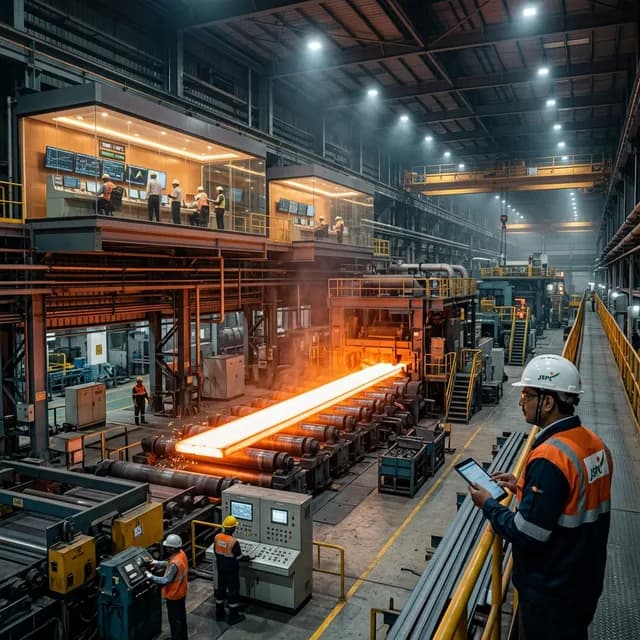
title: A Day in the Life of a CBAM Compliance Officer at an Indian Steel Mill
date: YYYY-MM-DD
description: Discover the daily responsibilities and challenges faced by a CBAM Compliance Officer in an Indian steel mill.
category: Technical Compliance
---

## Key Takeaways
- Understanding the CBAM regulation is crucial for Indian steel exporters.
- Daily tasks include data collection, emissions tracking, and compliance reporting.
- Proactive measures are needed to ensure readiness for the EU's stringent standards.

## Introduction
As the European Union (EU) moves towards stringent climate policies, the introduction of the Carbon Border Adjustment Mechanism (CBAM) under Regulation (EU) 2023/956 has significant implications for Indian exporters, particularly in the steel industry. For Indian MSMEs (Micro, Small, and Medium Enterprises) in steel manufacturing, the role of a CBAM Compliance Officer is becoming increasingly vital. This article provides a detailed look into the daily life of a CBAM Compliance Officer at an Indian steel mill, outlining the operational steps necessary for compliance with the new regulations.

## Morning Routine: Data Collection and Analysis
The day typically begins early, with the Compliance Officer reviewing the previous day's emissions data and production reports. The primary responsibility is to ensure that the mill's carbon emissions are accurately tracked and recorded. This involves:

1. **Gathering Emission Data**: The officer collects data from various departments, including production, energy consumption, and raw material sourcing. This data is essential for calculating the mill's total emissions.
2. **Using Emission Factors**: The officer applies relevant emission factors, such as those specified in the EU's guidelines, to convert activity data into carbon emissions. For instance, the emission factor for steel production can range from 1.5 to 2.0 tons of CO2 per ton of steel, depending on the technology used.
3. **Verifying HS Codes**: Ensuring that the Harmonized System (HS) codes used for exported products are correctly classified is critical. This helps in determining the applicable carbon tariffs under CBAM. The officer cross-references product classifications with the latest EU regulations to avoid misclassification.
See what CBAM will cost your buyer
Free 30-second check — pick your product and tonnage, get your buyer-side savings number.
Midday Tasks: Reporting and Documentation
After the morning data collection, the Compliance Officer shifts focus to reporting and documentation. This phase is crucial for maintaining transparency and accountability, as it involves:
- Preparing Compliance Reports: The officer prepares detailed reports on carbon emissions, production volumes, and the carbon content of imported materials. These reports are essential for submission to the EU authorities and must be accurate to avoid penalties.
- Ensuring Documentation Completeness: The officer checks that all documentation related to emissions tracking is complete and up-to-date. This includes invoices, transport documents, and contracts with suppliers that detail the carbon footprint of materials.
- Internal Audits: Conducting internal audits of emissions data and compliance processes is a routine task. The officer collaborates with other departments to identify any discrepancies and rectify them promptly.
Afternoon Responsibilities: Stakeholder Engagement and Training
As the day progresses, the Compliance Officer engages with various stakeholders to ensure a comprehensive understanding of CBAM compliance throughout the organization. This includes:
- Training Sessions: The officer organizes training sessions for production staff and management on the importance of emissions tracking and compliance with EU regulations. This training is crucial for fostering a culture of sustainability within the mill.
- Engagement with Suppliers: The officer communicates with suppliers to gather information on the carbon content of raw materials. This is vital for accurate emissions reporting and helps in assessing the overall carbon footprint of the steel produced.
- Collaboration with External Consultants: The officer may also liaise with external consultants specializing in emissions tracking and compliance to stay updated on best practices and regulatory changes.
Evening Review: Compliance Monitoring and Future Planning
As the workday comes to a close, the Compliance Officer reviews the day’s findings and plans for upcoming compliance activities. This includes:
- Monitoring Compliance Metrics: The officer analyzes compliance metrics to identify trends and areas for improvement. This analysis helps in forecasting potential challenges that may arise in meeting CBAM requirements.
- Planning for Future Regulations: With the EU's regulatory landscape continually evolving, the officer stays informed about upcoming changes. This involves reviewing potential impacts of the 2025-2026 regulatory updates on Indian steel exports, such as stricter emission limits or increased carbon tariffs.
- Preparing for Audits: The officer prepares for potential audits by EU authorities and internal stakeholders, ensuring that all documentation and data are readily available and organized.
2025-2026 Regulatory Impact for India
Looking ahead, the 2025-2026 regulatory landscape poses additional challenges for Indian MSMEs in the steel sector. The EU is expected to tighten emission limits and expand the scope of CBAM to include more products. Indian exporters must prepare for:
- Increased Compliance Costs: As emission regulations become stricter, compliance costs may rise significantly. Estimates suggest that Indian steel exporters could face additional costs of up to €30 per ton of CO2 emitted, impacting profit margins.
- Potential Penalties for Non-Compliance: Failure to comply with CBAM regulations could result in penalties of up to 25% of the total carbon tariff due, emphasizing the need for meticulous tracking and reporting processes.
Conclusion
The role of a CBAM Compliance Officer in an Indian steel mill is multifaceted, involving rigorous data collection, stakeholder engagement, and proactive compliance management. As Indian MSMEs navigate the complexities of the CBAM under Regulation (EU) 2023/956, understanding the daily responsibilities of compliance officers is crucial for ensuring successful market access to the EU.
As the regulatory landscape evolves, Indian exporters must prioritize emissions tracking and compliance readiness.
Call to Action
To ensure your organization is prepared for the upcoming challenges posed by CBAM, consider conducting a CBAM readiness assessment or invest in emissions tracking solutions. Proactive measures today can safeguard your business's future in the European market.
Frequently asked questions
What is CBAM?
How can Indian exporters prepare for CBAM?
What are the penalties for non-compliance?
Compliance disclaimer
Strategies described here are for educational purposes. CBAM regulations (EU 2023/956) evolve quarterly — always verify with your accredited verifier before filing definitive reports.
We’ll do your entire CBAM quarter — ₹0.
A dedicated CBAM expert plus our AI do the whole April–June 2026 report end-to-end: your factory data in, verified actual emissions out — so your buyer pays your real number, not the inflated EU default. The report is yours to keep.
Start your report by 30 September 2026 to claim the free quarter.
Bills, logs, photos — one afternoon.
Verified actuals, EU XML, audit standard.
Yours to keep. ₹0 this quarter.
Prefer to talk? +91 76250 95885 · or run a 30-second savings check first
The complete CBAM guide for Indian exporters
The full compliance roadmap — CN codes, emissions, deadlines, penalties and how to keep your EU orders.
More CBAM guidance for Indian exporters
 Compliance
Visakhapatnam Steel Cluster: CBAM Compliance for Coastal Exporters
EU CBAM compliance guide.
 Compliance
How CBAM Is Reshaping India-EU Steel and Aluminium Trade Flows
EU CBAM compliance guide.
 Compliance
Steel Wire Rope and Cable: CBAM Classification for Indian Rope Makers
EU CBAM compliance guide.