CBAM for Indian fertilizer exporters — handled. Free this quarter.
Fertilizer CBAM starts and ends with ammonia — one of the most energy-intensive chemicals on earth — and modern Indian gas-based plants are leaner than EU defaults assume. This quarter, CarbonSettle does your entire fertilizer CBAM for you, free — a dedicated expert and our AI prove your real numbers (including N₂O abatement) in a buyer-ready report. The report is yours to keep.
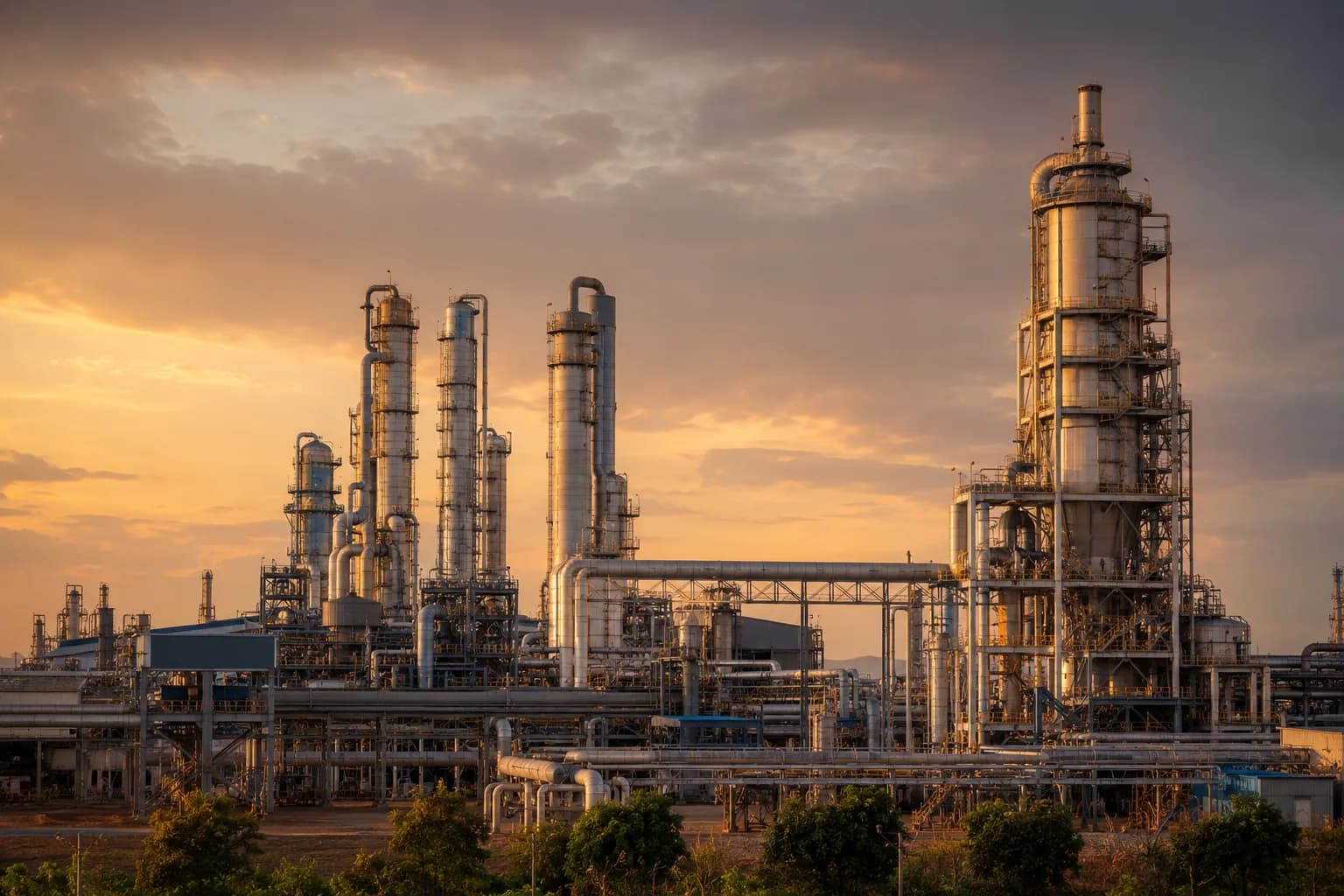
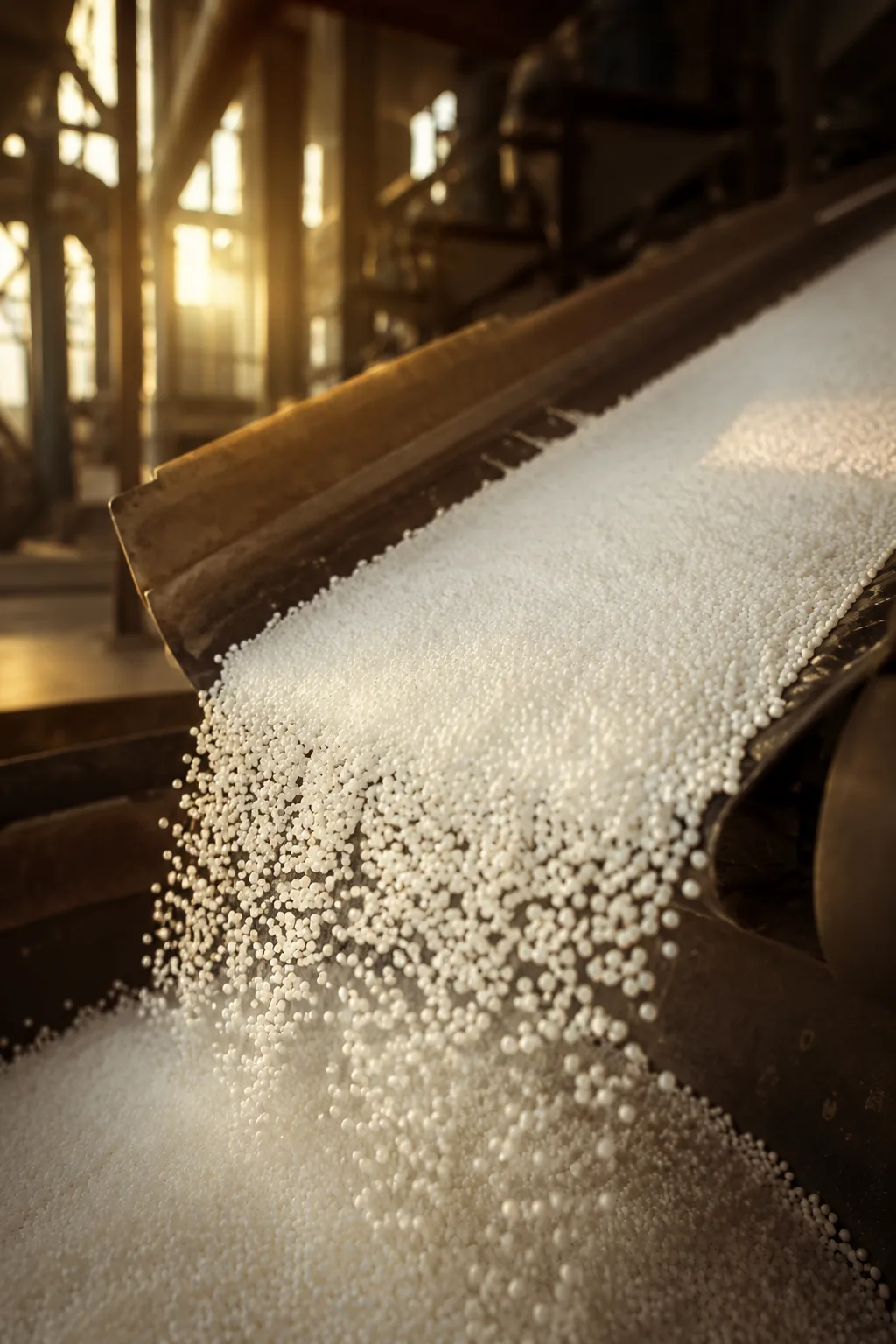
Haber-Bosch needs hydrogen. Hydrogen needs gas. Gas means carbon.
Ammonia synthesis consumes 28–35 GJ per tonne — one of the most energy-intensive industrial processes on earth. Many older Indian plants still run on naphtha (30–50% more CO₂ than gas). Modern gas-based plants land at 1.8–2.2 tCO₂/t ammonia — lower than EU defaults assume.
Then there's N₂O. Nitric acid production releases nitrous oxide — a greenhouse gas 265× more potent than CO₂. Plants without N₂O abatement face extremely high CBAM costs. Plants with abatement need to prove it.
“Modern gas-based urea plants are competitive on emissions. Defaults bury that competitiveness. Actuals bring it back.”
Fertilizer products covered by CBAM
| CN code | Product | Risk |
|---|---|---|
| 2808 | Nitric acid; sulphonitric acids | High |
| 2814 | Ammonia (anhydrous or in solution) | Very High |
| 2834 | Nitrites and nitrates | Moderate |
| 3102 | Mineral or chemical nitrogenous fertilizers | Very High |
| 3105 | Mixed mineral/chemical fertilizers with N | High |
Gas vs naphtha vs nitric acid — the bills don't match.
tCO₂e per tonne of product. Savings calculated vs EU default values.
Representative midpoints. Modern gas-based plants and N₂O-abated nitric acid lines sit far below the EU default — the red zone is overpayment until verified actuals are filed.
| Product | India typical | EU average | EU default | Savings with actuals |
|---|---|---|---|---|
| Ammonia (natural gas) | 1.8–2.2 | 1.6–1.9 | 2.8 | 25–35% |
| Ammonia (naphtha-based) | 2.5–3.2 | N/A | 3.5 | 10–25% |
| Urea | 1.0–1.5 | 0.8–1.0 | 1.8 | 20–40% |
| Nitric acid | 0.8–2.5 | 0.3–0.5 | 3.0 | Varies widely |
If you abated N₂O, prove it. Defaults assume you didn't.
Nitric acid plants without N₂O abatement face the steepest CBAM bills — defaults assume 3.0 tCO₂e/t. Plants with abatement systems can drop to 0.8 tCO₂e/t with verified data. The factor between “abated” and “default” is the entire CBAM economics.
Indian fertilizer regions we serve
Gujarat
GSFC, GNFC, IFFCO Kalol — major ammonia/urea belt
Very High riskUttar Pradesh
IFFCO Phulpur, Kribhco Hazira — large urea producers
High riskAndhra Pradesh / Telangana
Coromandel, FACT, Nagarjuna — phosphatic & complex fertilizers
High riskRajasthan
Chambal Fertilisers, RCF — urea and ammonia
Moderate riskMaharashtra
RCF Trombay, Deepak Fertilisers — nitric acid & complex
High riskTamil Nadu
SPIC, Southern Petrochemical — ammonia-based fertilizers
Moderate riskFive steps, one named expert.
Share your factory documents. We deliver an EU-ready, declarant-friendly report — pre-verified by a top-3 EU auditor.

- 01
Production process mapping
We map your steam methane reformer, ammonia synthesis loop, urea reactor, prilling/granulation tower, and any nitric acid plant — every emission source per CBAM methodology.
- 02
Data collection from existing documents
Natural gas / naphtha invoices, electricity bills, production logs, N₂O monitoring data (if applicable). No new systems or formats for your team.
- 03
Emission calculation (CO₂ + N₂O)
Feedstock combustion plus process CO₂, plus N₂O from nitric acid where applicable, using India-specific factors. We also credit CO₂ captured for urea synthesis — reducing your reported emissions.
- 04
Precursor allocation + EU XML
Ammonia precursor emissions are properly allocated to downstream products. Numbers convert to EU CBAM-compliant XML in under 48 hours.
- 05
Declarant handoff and verifier replies
We coordinate with your EU buyer's Authorised Declarant and answer every verifier query — you stay focused on your plant.

What will CBAM cost your shipments?
Pick your product, drop your number — a named CBAM expert sends your estimate on WhatsApp the same day, in your language. No forms, no software, no obligation.
Fertilizer CBAM, in plain English
Are Indian fertilizer exports affected by CBAM?
▼
Why is ammonia production so carbon-intensive?
▼
How can Indian fertilizer exporters reduce CBAM costs?
▼
What fertilizer CN codes are covered under CBAM?
▼
Your entire fertilizer CBAM, done for you. Free.
Modern Indian fertilizer plants are more efficient than EU defaults suggest. This quarter we handle your full CBAM for free — proving it on your own urea, ammonia or nitric acid numbers, in a buyer-ready report you keep. No commitment beyond this quarter.
Claim your free fertilizer CBAM quarter