CBAM for Indian steel exporters — handled. Free this quarter.
India ships over $5 billion of iron and steel to the EU each year, and from January 2026 every tonne needs verified emission data. This quarter, CarbonSettle does your entire steel CBAM for you, free — a dedicated expert and our AI turn your factory data into a buyer-ready report, saving 30–40% versus EU defaults. The report is yours to keep.
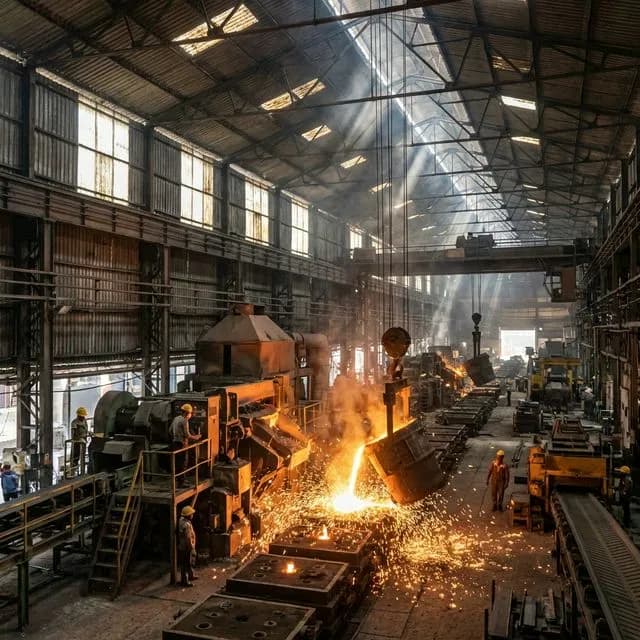
Eight steel product groups covered by CBAM
If your product sits under any of these CN codes and goes to the EU, CBAM compliance is mandatory from January 2026.
| CN code | Product category | Risk |
|---|---|---|
| 7206–7207 | Pig Iron & Spiegeleisen | High |
| 7208–7212 | Flat-Rolled Steel (Hot & Cold) | High |
| 7213–7215 | Bars, Rods & Wire Rod | High |
| 7216–7217 | Angles, Shapes & Wire | Medium |
| 7218–7223 | Stainless Steel Products | High |
| 7224–7229 | Alloy Steel Products | Medium |
| 7301–7307 | Structural & Pipes/Tubes | High |
| 7318 | Fasteners (Screws, Bolts, Nuts) | Medium |
Your route decides your CBAM bill.
Indian BF-BOF runs hotter than the EU average. But using verified actuals in place of EU defaults saves crores per consignment. All values are tCO₂ per tonne of crude steel; savings are per 1,000 t at ~€80/t CO₂.
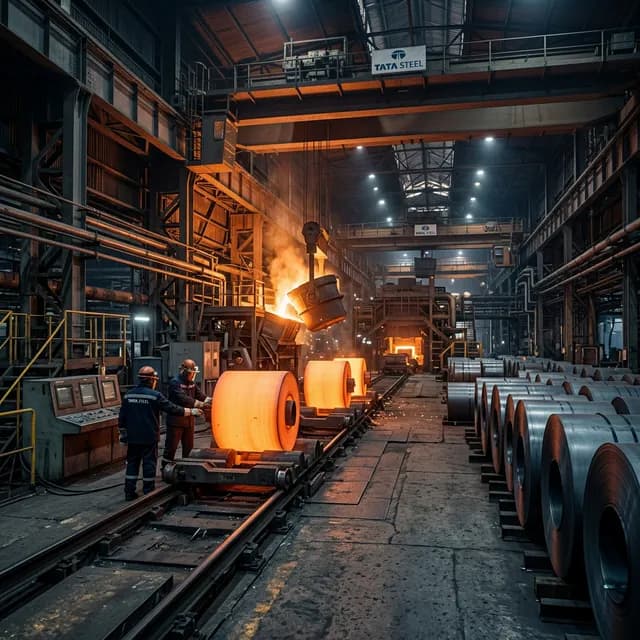
Representative midpoints. The red zone is the markup an EU default applies when no verified actual is filed — that gap is what your buyer overpays, and what CarbonSettle removes.
| Production route | India typical | EU average | EU default value | Savings with actuals |
|---|---|---|---|---|
| BF-BOF (Blast Furnace) | 2.2–2.8 | 1.4–1.8 | 3.5+ | ₹56–80 lakh |
| EAF (Electric Arc Furnace) | 0.8–1.4 | 0.3–0.5 | 2.0+ | ₹48–72 lakh |
| DRI/Sponge Iron + EAF | 1.8–2.4 | 1.0–1.2 | 3.0+ | ₹40–64 lakh |
| IF (Induction Furnace) | 1.2–2.0 | 0.5–0.8 | 2.5+ | ₹36–56 lakh |
Why default values are dangerous for Indian steel
EU default values assume the emission intensity of the worst 10% of EU producers — higher even than Indian actuals. A typical Indian BF-BOF plant emitting 2.5 tCO₂/t pays as if it emitted 3.5+ tCO₂/t. That's a ₹56–80 lakh overpayment per 1,000 t. CarbonSettle calculates verified actuals from your existing factory documents.
Indian steel clusters we serve
Region-specific production routes, fuel mixes and grid factors — we know the cluster before we walk in.
Jamshedpur–Bokaro Belt
Integrated steel (Tata Steel, SAIL BSL)
Very High riskRaipur–Durg–Bhilai
Sponge iron, TMT bars, wire rods
Very High riskBellary–Hospet
Iron ore, pig iron, steel ingots
High riskDurgapur–Asansol
Alloy steel, ferro-alloys
High riskSalem
Stainless steel, cold-rolled sheets
High riskVisakhapatnam
RINL / Vizag Steel primary steel
High riskLudhiana
Re-rolled steel, fasteners, auto parts
Medium riskNagpur–Butibori
Steel wire, fasteners, auto parts
Medium riskFive steps. One named expert. Pre-verified output.
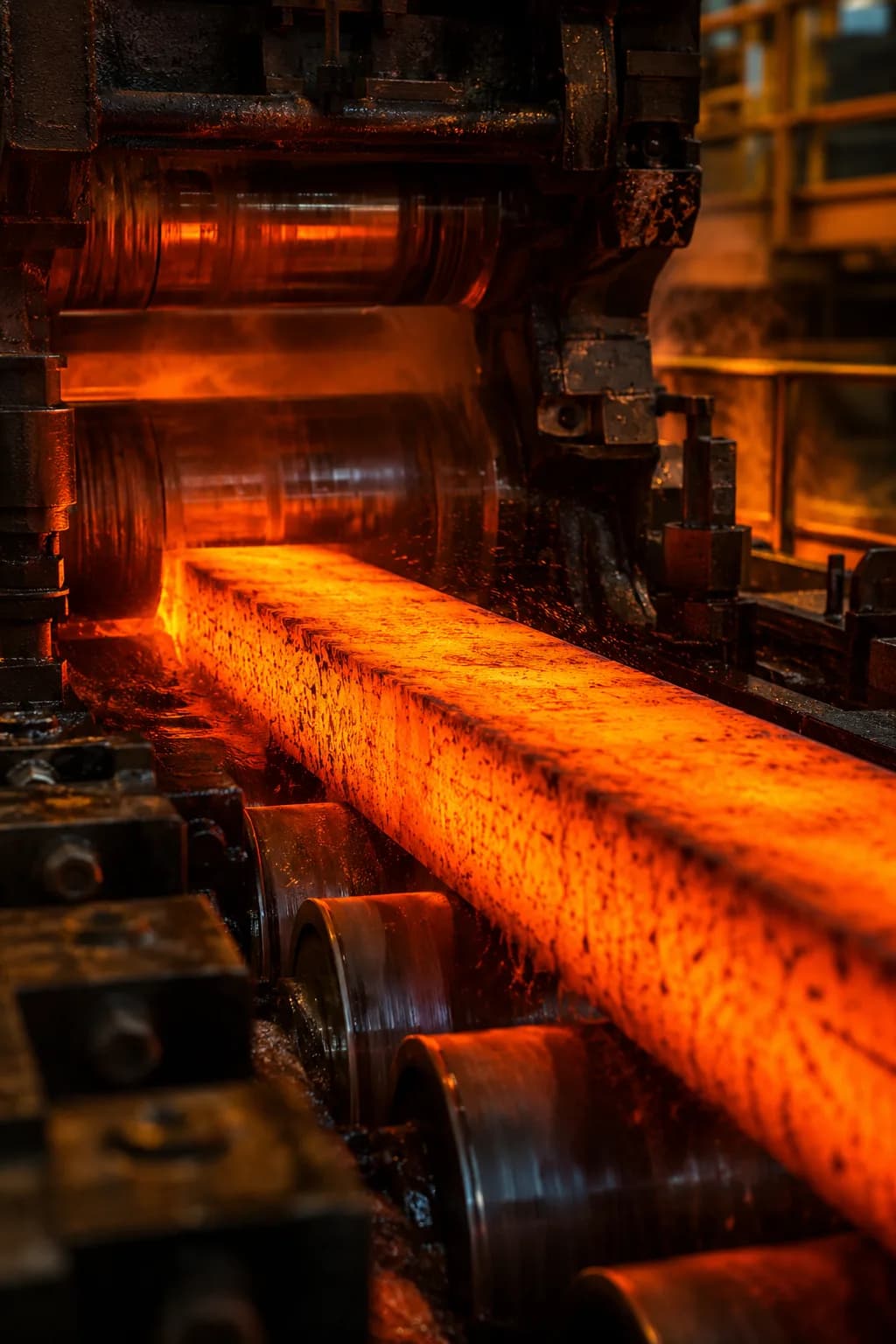
You share your factory documents. We deliver an EU-ready, declarant-friendly report — pre-verified by a top-3 EU auditor.
- 01
Factory boundary mapping
We map your steel process — blast furnaces, BOF/EAF, reheating furnaces, casting, rolling mills — to identify every emission source per CBAM methodology.
- 02
Data collection from your existing documents
Electricity bills (MSEDCL, UGVCL, TANGEDCO, etc.), coal/coke invoices, natural gas bills, monthly production logs. No new systems for your team to learn.
- 03
Emission calculation, India-specific
Scope 1 (fuel combustion, process emissions) and Scope 2 (grid electricity) computed using EU-approved methodology and adjusted for your route and fuel mix.
- 04
Supplier and precursor chase
We chase your raw-material suppliers (pig iron, DRI, scrap, ferro-alloys) for precursor emission data — automated follow-ups in the supplier's language until every line is closed.
- 05
EU XML, declarant handoff, verifier replies
We generate the EU CBAM XML, coordinate with your buyer's Authorised Declarant, prep audit documents, and handle verifier queries. Your buyer relationship stays protected.

What will CBAM cost your shipments?
Pick your product, drop your number — a named CBAM expert sends your estimate on WhatsApp the same day, in your language. No forms, no software, no obligation.
Steel CBAM, in plain English
Which steel products are covered under CBAM?
▼
How are embedded emissions calculated for steel?
▼
What is the CBAM cost for Indian steel exported to the EU?
▼
Do sponge iron (DRI) producers need to comply with CBAM?
▼
How does the steel production route affect CBAM liability?
▼
Your entire steel CBAM, done for you. Free.
CarbonSettle handles CBAM for Indian steel manufacturers across BF-BOF, EAF, DRI and induction routes. This quarter we handle your full CBAM for free — a dedicated expert plus our AI, your numbers, a buyer-ready report you keep. No commitment beyond this quarter.