Key Takeaways
- The EU's CBAM affects specific sectors, including those producing cast iron products.
- Understanding HS codes is crucial for compliance.
- Accurate data collection and emissions tracking are necessary to avoid penalties.
- By 2025, stricter compliance measures will be in place, impacting Indian exporters significantly.
Introduction
As Indian exporters navigate the complexities of the European Union's Carbon Border Adjustment Mechanism (CBAM), a pertinent question arises: Are cast iron products included in the scope of CBAM? Given the significant implications for Indian MSMEs (Micro, Small, and Medium Enterprises) that manufacture and export cast iron products, understanding the regulatory landscape is crucial. Regulation (EU) 2023/956 outlines the framework for CBAM, targeting high-emission sectors, and cast iron products may or may not fall within its ambit depending on specific circumstances.
This decision guide aims to provide clarity on whether cast iron products are in or out of the CBAM scope, offering actionable insights for Indian exporters and compliance officers.
Understanding CBAM and Its Scope
The CBAM is designed to prevent carbon leakage by imposing a charge on imported goods from non-EU countries that do not meet the EU's stringent carbon emissions standards. It primarily targets sectors that are carbon-intensive, such as steel, cement, and aluminum. The regulation applies to products that fall under specific Harmonized System (HS) codes.
Key Elements of Regulation (EU) 2023/956
- Target Sectors: The regulation explicitly lists sectors that are subject to CBAM, including iron and steel, cement, and fertilizers.
- Emission Reporting: Importers must report the emissions associated with the production of goods imported into the EU.
- Carbon Credits: Importers are required to purchase carbon credits to cover the emissions of their imported goods.
For Indian exporters dealing with cast iron products, it is essential to determine if their products fall under the specified HS codes.
See what CBAM will cost your buyer
Free 30-second check — pick your product and tonnage, get your buyer-side savings number.
Determining HS Codes for Cast Iron Products
To ascertain whether cast iron products are subject to CBAM, compliance officers must focus on the correct HS codes. Cast iron products may fall under different classifications, depending on their form and intended use.
Common HS Codes for Cast Iron Products
- HS Code 7208: This code covers flat-rolled products of iron or non-alloy steel, which may include cast iron products if they are processed accordingly.
- HS Code 7307: This code pertains to iron or steel tubes and pipes, which could include cast iron piping systems.
- HS Code 7325: This code covers other cast articles of iron or steel, which directly relates to cast iron products.
Steps for Verification
- Identify Product Specifications: Review the specifications of your cast iron products to determine their HS code.
- Consult Customs Resources: Utilize resources from the Indian Customs Department or the World Customs Organization to verify the correct classification.
- Seek Expert Guidance: If in doubt, consult with a customs broker or compliance expert specializing in EU regulations.
Data Collection and Emissions Tracking
Once the HS code is verified, Indian exporters must focus on data collection and emissions tracking, which are critical under CBAM.
Actionable Steps for Data Collection
- Identify Emission Sources: Understand the production process of your cast iron products and identify all sources of emissions.
- Calculate Emissions: Utilize recognized emission factors to calculate the total greenhouse gas emissions associated with your products. For example, the average emission factor for cast iron production can be approximately 1.5 tons of CO2 per ton of cast iron.
- Document Processes: Maintain detailed records of production processes, raw materials used, and energy consumption to substantiate emissions claims.
Emissions Reporting
Under CBAM, accurate reporting is essential. Indian exporters must ensure that the emissions data is reported in line with EU standards, which typically require:
- Annual Reporting: Emissions must be reported annually, correlating with the specific products exported to the EU.
- Verification: Data must be verified by a third-party auditor to ensure compliance and accuracy.
Potential Penalties for Non-Compliance
Failure to comply with CBAM regulations can result in significant penalties. For instance, if an Indian exporter fails to report emissions or misclassifies their products, they may face fines up to €100 per ton of CO2 equivalent for non-compliance. This underscores the importance of meticulous data collection and accurate reporting.
2025-2026 Regulatory Impact for India
As the EU continues to tighten its regulations, the impact on Indian exporters will become increasingly pronounced by 2025-2026. The following points outline potential changes and their implications:
- Expanded Scope: The scope of CBAM may expand to include additional products, including those currently not classified under high-emission sectors.
- Increased Reporting Requirements: Stricter reporting guidelines will likely be enforced, requiring more detailed emissions data from Indian exporters.
- Higher Carbon Credit Costs: As demand for carbon credits increases, costs may rise, impacting profit margins for Indian MSMEs.
Strategic Recommendations
- Proactive Compliance: Indian exporters should begin preparing for these changes by assessing their current emissions tracking systems and ensuring compliance with existing regulations.
- Investment in Technology: Investing in technology that enhances emissions tracking and reporting capabilities can provide a competitive edge.
- Engagement with Regulatory Bodies: Regularly engage with EU regulatory bodies to stay updated on changes that may affect your operations.
Conclusion
Determining whether cast iron products are in or out of CBAM scope is a critical step for Indian exporters. Understanding HS codes, collecting accurate data, and preparing for future regulatory changes are essential for compliance. By taking proactive steps, Indian MSMEs can mitigate risks associated with CBAM and position themselves favorably in the European market.
Call to Action
As an Indian exporter, ensuring your readiness for CBAM is paramount. Consider conducting a CBAM readiness assessment or enhancing your emissions tracking systems to align with EU regulations. The time to act is now.
Frequently asked questions
1. Are all cast iron products subject to CBAM?
2. What are the penalties for non-compliance with CBAM?
3. How can I verify the HS code for my cast iron products?
4. What steps should I take to prepare for CBAM regulations?
Compliance disclaimer
Strategies described here are for educational purposes. CBAM regulations (EU 2023/956) evolve quarterly — always verify with your accredited verifier before filing definitive reports.
We’ll do your entire CBAM quarter — ₹0.
A dedicated CBAM expert plus our AI do the whole April–June 2026 report end-to-end: your factory data in, verified actual emissions out — so your buyer pays your real number, not the inflated EU default. The report is yours to keep.
Start your report by 30 September 2026 to claim the free quarter.
Bills, logs, photos — one afternoon.
Verified actuals, EU XML, audit standard.
Yours to keep. ₹0 this quarter.
Prefer to talk? +91 76250 95885 · or run a 30-second savings check first
The complete CBAM guide for Indian exporters
The full compliance roadmap — CN codes, emissions, deadlines, penalties and how to keep your EU orders.
More CBAM guidance for Indian exporters
 Technical Compliance
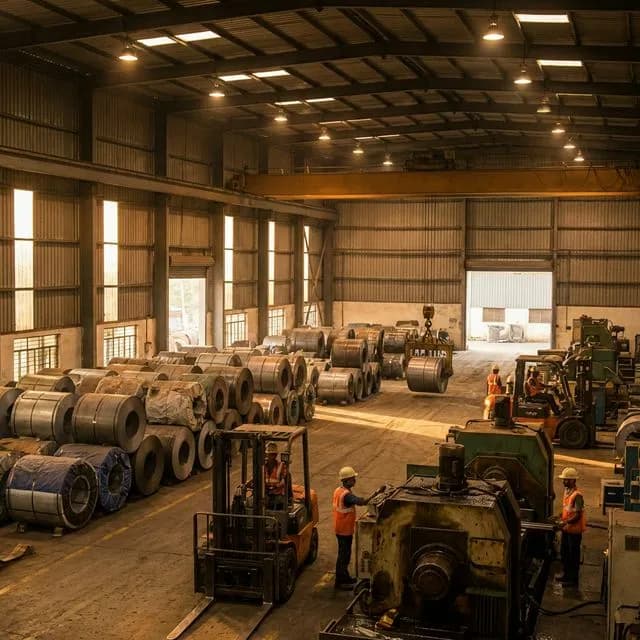
Will CBAM Cover Finished Products? Future Scope and Indian Exporter Risks
Understanding the implications of the EU CBAM on finished products and the associated risks for Indian exporters.
 Technical Compliance
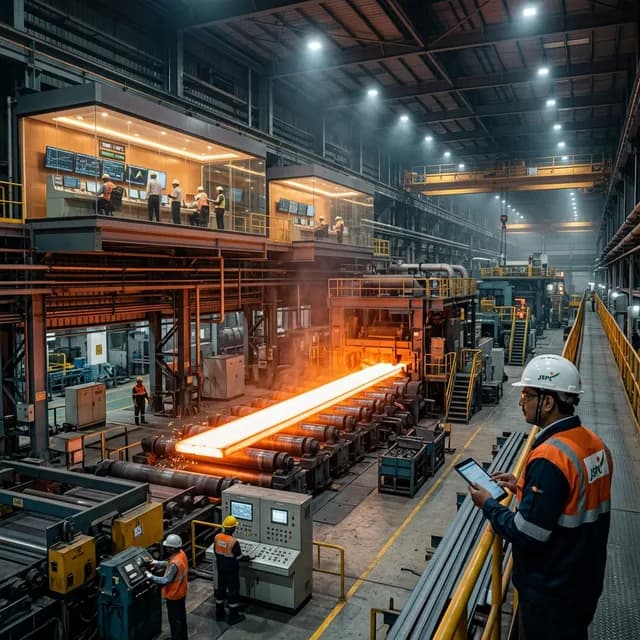
Aerospace Grade Steel: Premium Products Under CBAM Scope
Technical compliance guide for Indian aerospace steel exporters navigating EU CBAM requirements and carbon intensity calculations.
 Technical Compliance
Apportioning Captive Power Plant Emissions Across Multiple Products for CBAM Compliance: A Deep Dive for Indian Exporters
Indian exporters with captive power plants need precise emission apportionment for CBAM. Learn how to accurately allocate emissions across diverse products to avoid high EU carbon taxes. CarbonSettle offers end-to-end CBAM compliance services.