Key Takeaways
- The EU's CBAM regulation (Regulation (EU) 2023/956) introduces new compliance requirements for Indian MSMEs exporting steel billets and slabs.
- Indian exporters must accurately declare emissions associated with these intermediate products to avoid financial penalties.
- Understanding HS codes and data collection processes is crucial for compliance.
Introduction
As Indian MSMEs continue to expand their footprint in the European market, compliance with the EU's Carbon Border Adjustment Mechanism (CBAM), as outlined in Regulation (EU) 2023/956, is becoming increasingly critical. This regulation aims to mitigate carbon leakage by imposing a carbon price on imports of certain goods, including steel billets and slabs, which are essential intermediate products in the steel manufacturing process. For Indian exporters, understanding the nuances of CBAM partial declarations is paramount to ensuring both compliance and competitiveness in the EU market.
Understanding CBAM and Its Scope
The CBAM is designed to equalize the carbon costs between EU products and imported goods, thereby incentivizing lower carbon emissions in production. As of 2023, the regulation covers several sectors, with steel being one of the most significant due to its high carbon footprint.
Key Components of CBAM
- Carbon Price: Importers of covered products must pay a carbon price equivalent to the EU Emissions Trading System (ETS) price, which fluctuated around €90 per ton in 2023.
- Partial Declarations: For intermediate products like steel billets and slabs, importers can make partial declarations based on verified emissions data, allowing for more flexible compliance.
- HS Codes: Accurate classification of products under the Harmonized System (HS) is essential for compliance. Steel billets and slabs fall under specific HS codes that must be reported correctly.
See what CBAM will cost your buyer
Free 30-second check — pick your product and tonnage, get your buyer-side savings number.
Operational Steps for Indian Exporters
To navigate the complexities of CBAM, Indian MSMEs involved in exporting steel billets and slabs should follow these operational steps:
1. Data Collection and Verification
- Emission Factors: Collect data on the carbon emissions associated with the production of steel billets and slabs. The average emission factor for steel production in India is approximately 1.8 tons of CO2 per ton of steel, which exporters must report accurately.
- Production Processes: Document the production processes employed, including energy sources, as these will influence the carbon emissions reported.
2. Verifying HS Codes
- Correct Classification: Ensure that steel billets and slabs are classified under the correct HS codes (e.g., 7207 for semi-finished products of iron or non-alloy steel). This classification is vital for compliance and for determining applicable carbon costs.
- Consultation with Experts: Engage with customs and trade compliance experts to ensure that HS codes are verified and aligned with EU requirements.
3. Reporting Requirements
- Submission of Declarations: Submit partial declarations to EU authorities, detailing the emissions associated with the imported steel billets and slabs. This includes both verified data and any adjustments based on production processes.
- Documentation: Maintain thorough records of all emissions data and declarations submitted. This documentation will be crucial for audits and potential penalties.
Compliance Challenges for Indian MSMEs
Indian exporters may face several challenges in complying with CBAM, including:
1. Lack of Awareness
Many Indian MSMEs are still unaware of the specific requirements under CBAM. A proactive approach to understanding these regulations is essential.
2. Data Management
Collecting accurate emissions data can be challenging, particularly for smaller manufacturers with limited resources. Implementing robust data management systems is vital.
3. Financial Implications
Failure to comply with CBAM can result in significant financial penalties. The penalties can reach up to €100 per ton of CO2 emitted, creating a substantial financial burden for non-compliant exporters.
2025-2026 Regulatory Impact for India
Looking ahead, the regulatory landscape for Indian MSMEs exporting steel billets and slabs will evolve. By 2025-2026, the EU is expected to tighten CBAM regulations further, potentially expanding the scope to include additional products and increasing the carbon price.
Anticipated Changes
- Increased Carbon Pricing: The carbon price under the EU ETS is projected to rise, making compliance even more critical for Indian exporters.
- Expanded Coverage: More products may fall under CBAM, requiring Indian MSMEs to adapt their compliance strategies continuously.
Strategic Preparations
- Investment in Cleaner Technologies: Indian MSMEs should consider investing in cleaner production technologies to reduce emissions and mitigate potential CBAM costs.
- Enhanced Reporting Mechanisms: Developing advanced reporting mechanisms will be essential for meeting future compliance requirements.
Conclusion
The introduction of CBAM under Regulation (EU) 2023/956 presents both challenges and opportunities for Indian MSMEs exporting steel billets and slabs. By understanding the regulatory framework, accurately reporting emissions, and preparing for future changes, Indian exporters can position themselves competitively in the EU market.
As the landscape of international trade evolves, it is imperative for Indian MSMEs to prioritize CBAM compliance. This not only ensures adherence to regulations but also contributes to global sustainability efforts.
Call to Action
To navigate the complexities of CBAM effectively, Indian MSMEs are encouraged to undertake a CBAM readiness assessment and invest in emissions tracking systems. This proactive approach will not only ensure compliance but also enhance competitiveness in the European market.
Frequently asked questions
What is CBAM?
How does CBAM affect Indian exporters?
What are the penalties for non-compliance?
How can Indian MSMEs prepare for CBAM?
Compliance disclaimer
Strategies described here are for educational purposes. CBAM regulations (EU 2023/956) evolve quarterly — always verify with your accredited verifier before filing definitive reports.
We’ll do your entire CBAM quarter — ₹0.
A dedicated CBAM expert plus our AI do the whole April–June 2026 report end-to-end: your factory data in, verified actual emissions out — so your buyer pays your real number, not the inflated EU default. The report is yours to keep.
Start your report by 30 September 2026 to claim the free quarter.
Bills, logs, photos — one afternoon.
Verified actuals, EU XML, audit standard.
Yours to keep. ₹0 this quarter.
Prefer to talk? +91 76250 95885 · or run a 30-second savings check first
The complete CBAM guide for Indian exporters
The full compliance roadmap — CN codes, emissions, deadlines, penalties and how to keep your EU orders.
More CBAM guidance for Indian exporters
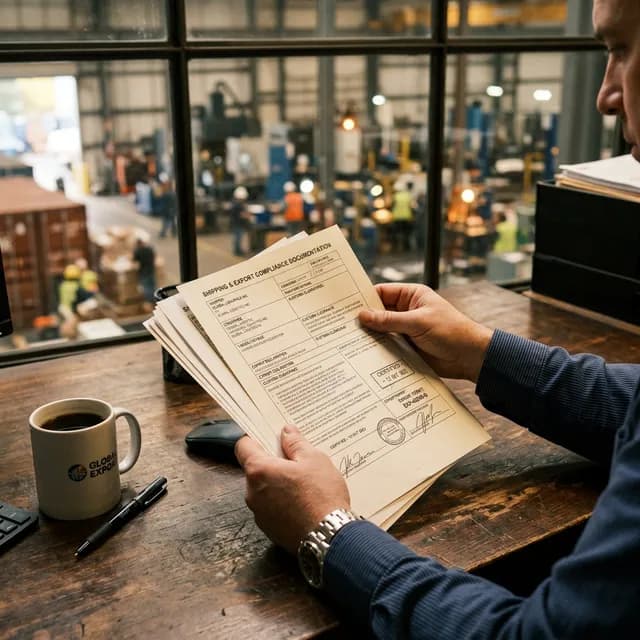 Technical Compliance
Seamless Steel Tubes: CBAM Monitoring for High-Value Pipe Products
Understanding CBAM monitoring for seamless steel tubes in the EU market.
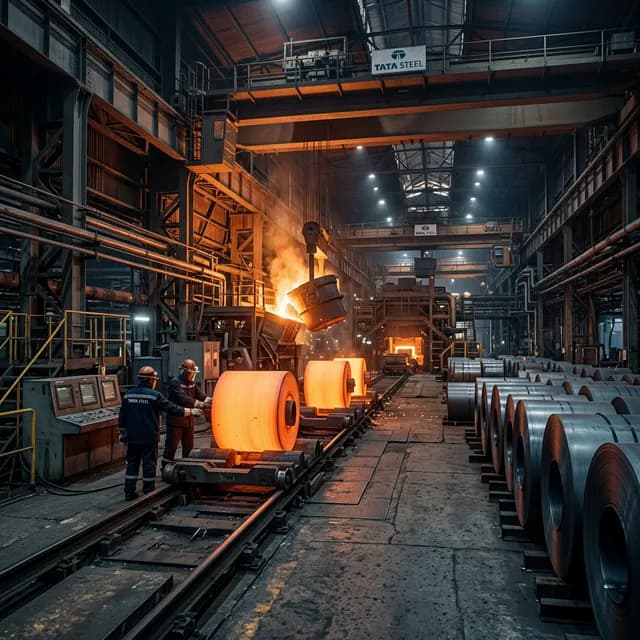 Technical Compliance
Spring Steel Products: CN Code Mapping and CBAM Compliance Checklist
Essential guide for CBAM compliance and CN code mapping for spring steel products.
 Technical Compliance
Tool Steel and High-Speed Steel: Niche Products Under CBAM Regulation
Explore the implications of CBAM regulation on tool steel and high-speed steel exports from India.