Key Takeaways
- The EU's Carbon Border Adjustment Mechanism (CBAM) poses significant compliance challenges for Indian exporters.
- A case study highlights a €50,000 penalty due to inadequate data collection and reporting.
- Effective data management strategies can mitigate financial risks associated with CBAM compliance.
- Indian MSMEs must prioritize accurate emissions tracking and HS code verification to avoid penalties.
Introduction
The European Union's Carbon Border Adjustment Mechanism (CBAM), as outlined in Regulation (EU) 2023/956, is set to transform the landscape for Indian exporters, particularly in high-emission sectors such as steel, cement, and aluminum. The regulation aims to prevent carbon leakage by imposing a carbon price on imports of certain goods from non-EU countries, including India. This case study examines a specific instance where an Indian MSME faced a significant penalty of €50,000 due to a failure in data collection, underscoring the importance of robust compliance measures for Indian exporters.
Understanding CBAM and Its Implications for Indian Exporters
The CBAM is designed to equalize the carbon costs between EU producers and foreign competitors. For Indian exporters, this means they must accurately report the carbon emissions associated with their products. The regulation specifies that companies must collect data on emissions at various stages of production and submit this information to the EU authorities to determine the applicable carbon price.
Key Components of CBAM Compliance
- Data Collection: Accurate data on emissions is crucial. This includes direct emissions from production processes and indirect emissions from energy consumption.
- HS Code Verification: Harmonized System (HS) codes must be correctly identified to ensure that the right products are covered under CBAM regulations.
- Reporting Obligations: Indian exporters must comply with a strict reporting framework, detailing emissions data and other relevant information.
See what CBAM will cost your buyer
Free 30-second check — pick your product and tonnage, get your buyer-side savings number.
Case Study Overview: The €50K Lesson
In this case study, we explore the experience of an Indian MSME in the cement sector that faced a €50,000 penalty due to data collection failures related to CBAM compliance. The company had exported a significant volume of cement to the EU but failed to maintain adequate records of emissions data, resulting in inaccuracies in their reporting.
The Failure
The MSME's compliance officer assumed that existing emissions data from previous years would suffice for CBAM reporting. However, they did not account for the need to update this data to reflect recent changes in production processes and energy sources. This oversight led to a miscalculation of emissions, which was flagged during an EU audit.
Financial Implications
The penalty of €50,000 was levied due to the discrepancies in the reported emissions data. The financial burden not only impacted the company's bottom line but also affected their reputation in the European market, highlighting the critical nature of compliance in international trade.
Operational Steps for Indian MSMEs
To avoid the pitfalls experienced by the aforementioned MSME, Indian exporters must implement a systematic approach to data collection and reporting. Here are actionable steps that can be taken:
1. Establish a Data Collection Framework
- Identify Key Data Points: Determine what emissions data is required under CBAM. This includes direct emissions from production and indirect emissions from energy usage.
- Implement Tracking Mechanisms: Utilize software or systems that can accurately track emissions data in real-time. This should be integrated into existing production and energy management systems.
2. Verify HS Codes
- Conduct HS Code Audits: Regularly review and verify HS codes associated with exported products. Misclassification can lead to compliance issues and penalties.
- Training for Compliance Officers: Ensure that compliance officers are well-versed in HS code regulations and their implications under CBAM.
3. Develop a Reporting Protocol
- Standardize Reporting Procedures: Create a standardized reporting template that aligns with EU requirements. This should include all necessary emissions data and supporting documentation.
- Regular Audits: Conduct internal audits to ensure that data collection and reporting are compliant with CBAM regulations.
2025-2026 Regulatory Impact for India
As the EU continues to refine and implement the CBAM, the regulatory landscape will evolve significantly by 2025-2026. Indian MSMEs must prepare for potential changes, including:
- Increased Reporting Requirements: Future iterations of CBAM may introduce more stringent reporting obligations, requiring more detailed emissions data.
- Higher Penalties for Non-Compliance: As enforcement mechanisms become more robust, penalties for non-compliance could increase, making it essential for Indian exporters to stay ahead of regulatory changes.
- Potential Market Shifts: The emphasis on carbon emissions may lead to shifts in demand for low-carbon products, requiring Indian MSMEs to adapt their production processes accordingly.
Conclusion
The case study of the Indian MSME that faced a €50,000 penalty serves as a critical lesson for all Indian exporters navigating the complexities of the EU's CBAM. By prioritizing accurate data collection, verifying HS codes, and establishing robust reporting mechanisms, Indian MSMEs can significantly mitigate the risk of non-compliance and associated financial penalties.
As the regulatory environment continues to evolve, it is imperative for Indian manufacturers, especially in sectors like steel, cement, and aluminum, to remain vigilant and proactive in their compliance efforts.
Call to Action
To ensure your business is prepared for the challenges posed by the CBAM, consider conducting a CBAM readiness assessment or enhancing your emissions tracking capabilities today. The time to act is now.
Frequently asked questions
What is CBAM?
How can Indian MSMEs prepare for CBAM compliance?
What are the consequences of non-compliance with CBAM?
Compliance disclaimer
Strategies described here are for educational purposes. CBAM regulations (EU 2023/956) evolve quarterly — always verify with your accredited verifier before filing definitive reports.
We’ll do your entire CBAM quarter — ₹0.
A dedicated CBAM expert plus our AI do the whole April–June 2026 report end-to-end: your factory data in, verified actual emissions out — so your buyer pays your real number, not the inflated EU default. The report is yours to keep.
Start your report by 30 September 2026 to claim the free quarter.
Bills, logs, photos — one afternoon.
Verified actuals, EU XML, audit standard.
Yours to keep. ₹0 this quarter.
Prefer to talk? +91 76250 95885 · or run a 30-second savings check first
The complete CBAM guide for Indian exporters
The full compliance roadmap — CN codes, emissions, deadlines, penalties and how to keep your EU orders.
More CBAM guidance for Indian exporters
 Technical Compliance
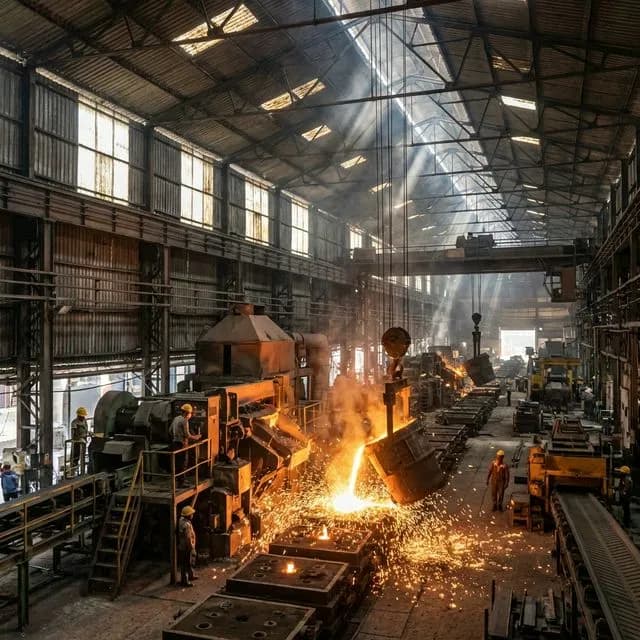
Case Study: Reducing CBAM Liability by 30% Through EAF Transition
Explore how transitioning to Electric Arc Furnace (EAF) technology can reduce CBAM liability for Indian exporters.
 Technical Compliance
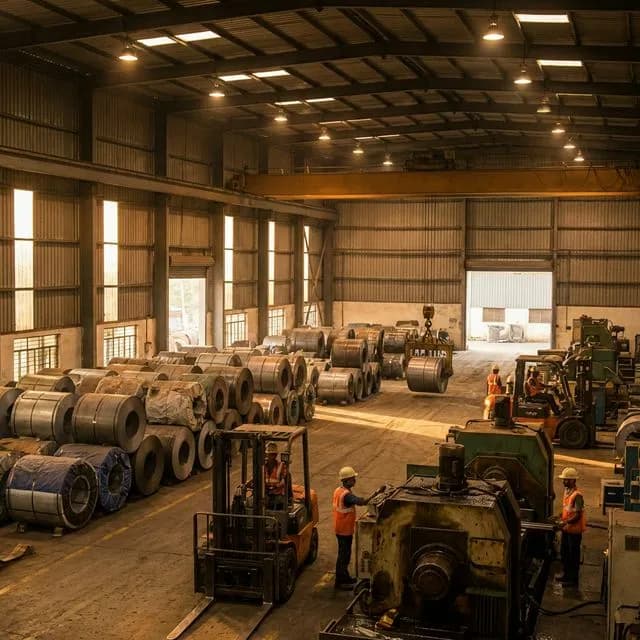
Monthly CBAM Data Collection Workflow for Indian Plant Managers
A comprehensive guide on data collection workflows for Indian plant managers under EU CBAM regulations.
 Technical Compliance
API Integration for Automated CBAM Data Collection
Technical guide for Indian steel exporters implementing automated API systems for EU CBAM carbon emissions data collection and reporting compliance.