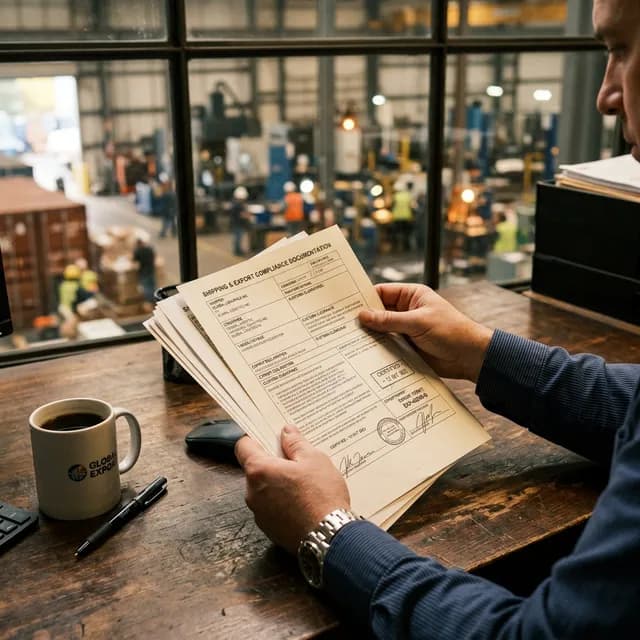
Key Takeaways
- Continuous casting generally results in lower carbon emissions than ingot casting, leading to reduced CBAM liabilities.
- Understanding emission factors and operational efficiencies can help Indian MSMEs optimize their processes.
- Compliance with the EU's CBAM regulations is crucial for Indian exporters to avoid penalties and ensure market access.
Introduction
As Indian MSMEs and exporters navigate the complexities of the European Union's Carbon Border Adjustment Mechanism (CBAM) under Regulation (EU) 2023/956, understanding the implications of production processes on carbon emissions becomes paramount. The choice between continuous casting and ingot casting could significantly affect compliance costs and overall carbon liability. This article will provide a forensic examination of both casting methods, focusing on their emissions profiles and the resulting implications under CBAM for Indian manufacturers, particularly in sectors like steel and aluminum.
Understanding CBAM and Its Implications for Indian Exporters
The CBAM aims to level the playing field between EU manufacturers and foreign producers by imposing a carbon price on imports of certain goods, including steel and aluminum, from countries that do not have equivalent carbon pricing mechanisms. For Indian exporters, this means that their carbon emissions during production will be scrutinized, and they may face additional costs if their emissions exceed the EU's threshold.
The Role of Emission Factors
Emission factors are critical in determining the carbon footprint of production processes. Continuous casting typically has a lower emission factor than ingot casting due to its more efficient energy use and reduced material waste. For instance, continuous casting can have an emission factor as low as 0.5 tons of CO2 per ton of steel produced, whereas ingot casting may reach up to 0.8 tons of CO2 per ton of steel produced. This difference can significantly impact CBAM liability calculations.
Continuous Casting: A Closer Look
Continuous casting is a process where molten metal is solidified into a "semi-finished" shape, allowing for a continuous flow of material. This method is widely adopted in the production of steel and aluminum due to its efficiency and lower emissions.
Benefits of Continuous Casting
- Lower Carbon Emissions: As mentioned, continuous casting has a lower emission factor, which translates directly to lower carbon liabilities under CBAM.
- Operational Efficiency: Continuous casting reduces the need for further processing, thus saving energy and time.
- Quality of Product: Continuous casting often results in fewer defects and a higher quality product, reducing waste and enhancing market competitiveness.
See what CBAM will cost your buyer
Free 30-second check — pick your product and tonnage, get your buyer-side savings number.
Ingot Casting: An Overview
Ingot casting involves pouring molten metal into molds to form ingots, which are then further processed. While this method has been traditional in metal production, it carries higher emissions and operational inefficiencies.
Drawbacks of Ingot Casting
- Higher Carbon Emissions: The emission factor for ingot casting is generally higher due to the additional energy required for reheating and refining the ingots.
- Increased Waste: The process often results in more scrap material, which can lead to higher overall emissions.
- Longer Production Times: Ingot casting typically requires more time for cooling and processing, which can affect production efficiency.
Cost Implications of CBAM Liability
The financial implications of CBAM for Indian exporters are significant. If a company produces steel with an annual output of 100,000 tons using ingot casting, and the emission factor is 0.8 tons CO2 per ton, the total emissions would be 80,000 tons CO2. Assuming a carbon price of €30 per ton, the potential CBAM liability could reach €2.4 million.
Conversely, if the same company were to switch to continuous casting with an emission factor of 0.5 tons CO2 per ton, the total emissions would drop to 50,000 tons CO2, resulting in a liability of €1.5 million. This represents a potential savings of €900,000, emphasizing the financial benefits of adopting more efficient production methods.
2025-2026 Regulatory Impact for India
As the EU continues to refine its CBAM regulations, the period from 2025 to 2026 will be critical for Indian MSMEs. By this time, the EU aims to implement stricter compliance measures and potentially increase carbon pricing. Indian exporters must be prepared for these changes by:
- Investing in Cleaner Technologies: Transitioning to continuous casting or other low-emission technologies will be essential.
- Enhancing Data Collection: Accurate emissions tracking and reporting will be crucial for compliance under the new regulations.
- Understanding HS Codes: Verifying the correct Harmonized System (HS) codes for products will ensure proper classification and compliance with CBAM requirements.
Practical Steps for Indian MSMEs
To effectively manage CBAM liability, Indian exporters should consider the following operational steps:
Data Collection
- Emissions Tracking: Implement systems for real-time monitoring of carbon emissions during production.
- Documentation: Maintain thorough records of production processes, including energy consumption and material inputs.
Verifying HS Codes
- Correct Classification: Ensure that products are classified under the correct HS codes to avoid penalties and ensure accurate reporting.
- Consultation: Engage with customs and trade experts to verify the appropriate codes for your products.
Reporting Requirements
- Compliance Documentation: Prepare for the submission of emissions data and compliance reports as mandated by CBAM regulations.
- Engagement with Authorities: Stay informed about changes in regulations and engage with EU authorities for clarity on compliance requirements.
Conclusion
As Indian MSMEs and exporters face the challenges posed by the EU's CBAM, understanding the nuances of production processes like continuous casting and ingot casting is crucial. By adopting more efficient methods and ensuring compliance with evolving regulations, Indian exporters can minimize their carbon liabilities and secure their position in the European market. For a comprehensive assessment of your CBAM readiness or emissions tracking, consider engaging with experts in the field to navigate this complex regulatory landscape effectively.
Frequently asked questions
What is CBAM?
How does CBAM impact Indian exporters?
Which casting method has lower emissions?
What steps should Indian MSMEs take to prepare for CBAM?
Compliance disclaimer
Strategies described here are for educational purposes. CBAM regulations (EU 2023/956) evolve quarterly — always verify with your accredited verifier before filing definitive reports.
We’ll do your entire CBAM quarter — ₹0.
A dedicated CBAM expert plus our AI do the whole April–June 2026 report end-to-end: your factory data in, verified actual emissions out — so your buyer pays your real number, not the inflated EU default. The report is yours to keep.
Start your report by 30 September 2026 to claim the free quarter.
Bills, logs, photos — one afternoon.
Verified actuals, EU XML, audit standard.
Yours to keep. ₹0 this quarter.
Prefer to talk? +91 76250 95885 · or run a 30-second savings check first
The complete CBAM guide for Indian exporters
The full compliance roadmap — CN codes, emissions, deadlines, penalties and how to keep your EU orders.
More CBAM guidance for Indian exporters
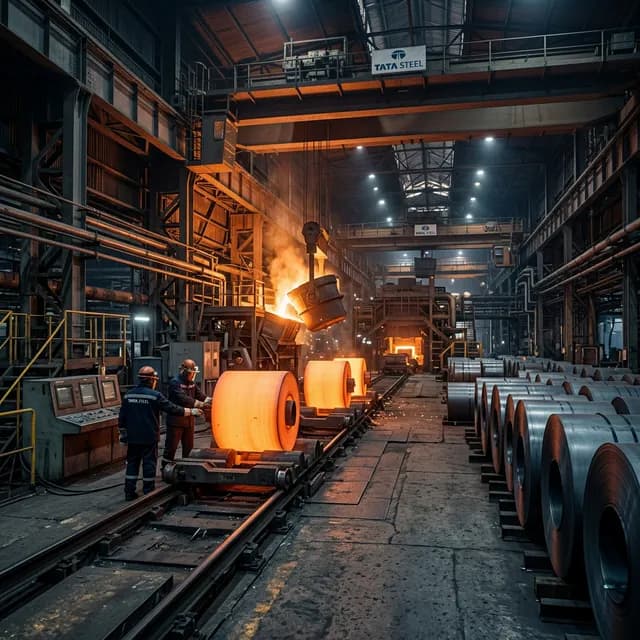 Technical Compliance
EPD vs CBAM Report: Which Carbon Document Does Your EU Buyer Actually Need?
Indian exporters often confuse EPDs with CBAM reports. Learn the critical differences, what your EU buyer truly needs, and how CarbonSettle simplifies CBAM compliance for your exports.
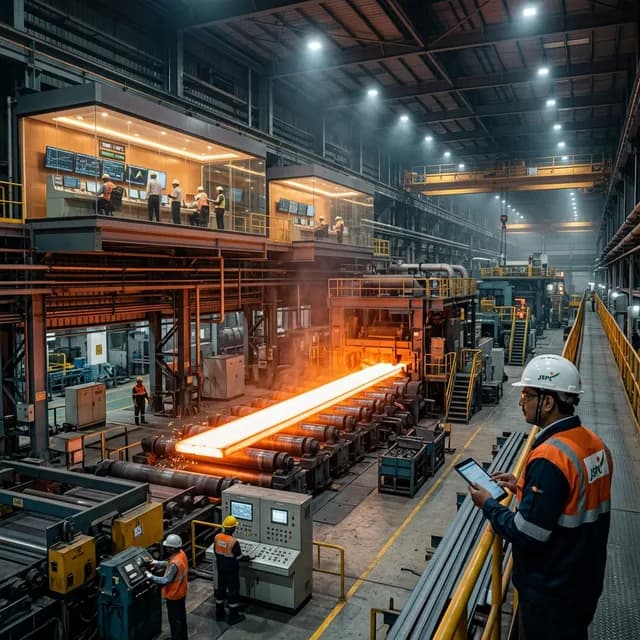 Technical Compliance
Legal Liability for Inaccurate CBAM Data: Who Is Responsible in India
Indian exporters face legal liability for CBAM data. Understand who is responsible for accuracy, penalties, and how to mitigate risks. Get expert CBAM compliance help.
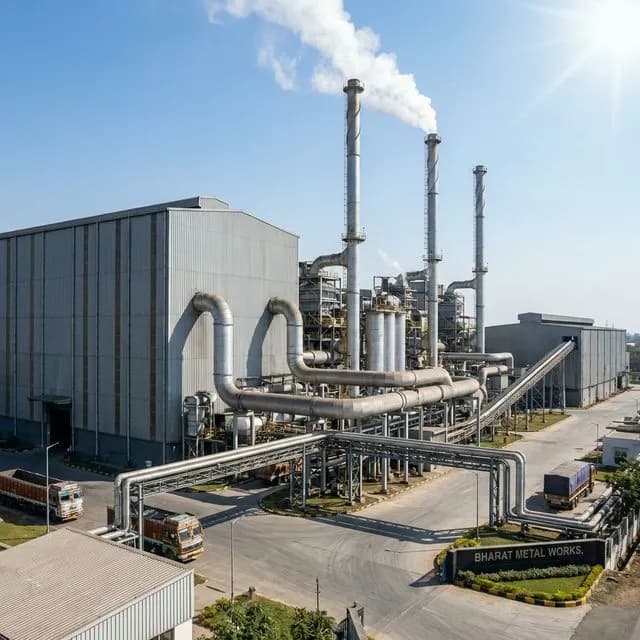 Technical Compliance
Measuring Embedded Emissions Without a Continuous Monitoring System: A Practical Guide for Indian Exporters
Indian exporters, navigate CBAM without expensive continuous emission monitoring. Learn practical methods for calculating embedded emissions for steel, cement, and aluminium exports to the EU. Get expert help from CarbonSettle.