
Key Takeaways
- The EU's CBAM (Regulation 2023/956) mandates Indian exporters to track and report carbon emissions.
- Compliance involves specific data collection, verification of HS codes, and understanding penalties.
- The operational impact on Indian MSMEs is significant, particularly in sectors like steel, cement, and aluminum.
- A proactive approach to emissions tracking and readiness assessments is essential for successful market access in the EU.
Introduction
The European Union's Carbon Border Adjustment Mechanism (CBAM) is a groundbreaking regulation aimed at reducing carbon emissions and ensuring fair competition between EU and non-EU producers. For Indian exporters, particularly those in the steel, cement, and aluminum industries, navigating the implications of Regulation (EU) 2023/956 is crucial for maintaining market access and competitiveness within the EU. This article provides a deep dive into the technical rules of CBAM, offering practical guidance for Indian MSMEs on compliance, data collection, and operational readiness.
Understanding CBAM: The Regulatory Framework
CBAM, as outlined in Regulation (EU) 2023/956, introduces a system where importers in the EU must purchase CBAM certificates corresponding to the carbon emissions embedded in their imported goods. This regulation primarily targets industries with high carbon emissions, such as steel, cement, and aluminum, which are significant exports for India.
Key Components of CBAM
-
Scope of Application: CBAM applies to specific goods imported into the EU, including:
- Iron and steel
- Cement
- Aluminum
-
CBAM Certificates: Importers must acquire CBAM certificates reflecting the carbon price equivalent to the emissions associated with the production of the imported goods.
-
Reporting Obligations: Importers are required to report the total emissions from the production of the goods they import, calculated based on the carbon intensity of their production processes.
-
Verification: The reported emissions must be verified by an accredited third party to ensure accuracy and compliance.
See what CBAM will cost your buyer
Free 30-second check — pick your product and tonnage, get your buyer-side savings number.
Operational Steps for Indian MSMEs
To comply with CBAM, Indian exporters must undertake several operational steps. Here’s a detailed guide:
1. Data Collection
Indian MSMEs need to gather comprehensive data on the carbon emissions associated with their production processes. This includes:
- Emission Factors: Understanding the carbon intensity of the materials used in production. For example, the carbon intensity for steel production can range from 1.7 to 2.2 tons of CO2 per ton of steel produced, depending on the production method.
- Production Processes: Documenting the specific processes employed in manufacturing, including energy sources and efficiency measures.
2. Verification of HS Codes
Harmonized System (HS) codes play a crucial role in determining the applicability of CBAM. Indian exporters should:
- Identify Correct HS Codes: Ensure accurate classification of products to avoid penalties. For instance, HS code 7208 pertains to flat-rolled products of iron or non-alloy steel, which falls under CBAM's scope.
- Consult Customs Authorities: Engage with Indian customs for guidance on the correct HS codes to avoid misclassification.
3. Reporting Requirements
Once data is collected and verified, Indian MSMEs must prepare for the reporting obligations under CBAM:
- Emission Reporting: Prepare to report total emissions per product type, including detailed methodologies used for calculation.
- Documentation: Maintain thorough documentation to support reported emissions, including production records, energy consumption data, and emission factor calculations.
4. Understanding Penalties
Failure to comply with CBAM can lead to significant penalties. For instance, non-compliance could result in fines up to €100 per ton of CO2 not reported or incorrectly reported, emphasizing the importance of accurate data collection and reporting.
2025-2026 Regulatory Impact for India
The implementation of CBAM is set to evolve, with full enforcement expected by 2026. Indian MSMEs must prepare for the following impacts:
-
Increased Costs: As the carbon price increases, Indian exporters may face higher costs associated with purchasing CBAM certificates. Current estimates suggest a potential increase in operational costs by 15-20% for sectors heavily reliant on carbon-intensive processes.
-
Market Access Challenges: Non-compliance could restrict access to the EU market, affecting export volumes and revenue. Indian MSMEs must ensure adherence to the evolving regulatory landscape to maintain competitiveness.
-
Innovation and Investment: To mitigate the impact of CBAM, Indian manufacturers may need to invest in cleaner technologies and processes. This could involve transitioning to renewable energy sources or adopting more efficient production methods.
Strategic Recommendations for Indian Exporters
To effectively navigate the complexities of CBAM, Indian MSMEs should consider the following strategic recommendations:
1. Conduct a CBAM Readiness Assessment
Engaging in a thorough assessment of current operations against CBAM requirements can help identify gaps and areas for improvement. This assessment should include:
- Evaluation of current emissions data
- Review of production processes for potential efficiency improvements
- Identification of necessary investments in technology or training
2. Collaborate with Experts
Consulting with environmental compliance experts or legal advisors specializing in EU regulations can provide valuable insights and guidance on navigating the complexities of CBAM.
3. Develop an Emissions Tracking System
Implementing a robust emissions tracking system will aid in the accurate collection and reporting of emissions data. This system should be capable of:
- Capturing real-time data on energy consumption and emissions
- Facilitating the verification process by maintaining comprehensive records
4. Engage with Industry Associations
Participating in industry associations can provide Indian MSMEs with resources, training, and networking opportunities to stay informed about CBAM developments and best practices.
Conclusion
The EU's CBAM presents both challenges and opportunities for Indian MSMEs exporting to Europe. By understanding the technical rules outlined in Regulation (EU) 2023/956 and taking proactive steps towards compliance, Indian exporters can position themselves favorably in the evolving regulatory landscape.
As the deadline for full implementation approaches, now is the time for Indian manufacturers to assess their readiness for CBAM. Engaging in emissions tracking and compliance strategies will be pivotal in ensuring continued access to the EU market.
Frequently asked questions
What is CBAM?
Who does CBAM affect?
What are the penalties for non-compliance?
How can Indian MSMEs prepare for CBAM?
Where can I get more information on CBAM compliance?
Compliance disclaimer
Strategies described here are for educational purposes. CBAM regulations (EU 2023/956) evolve quarterly — always verify with your accredited verifier before filing definitive reports.
We’ll do your entire CBAM quarter — ₹0.
A dedicated CBAM expert plus our AI do the whole April–June 2026 report end-to-end: your factory data in, verified actual emissions out — so your buyer pays your real number, not the inflated EU default. The report is yours to keep.
Start your report by 30 September 2026 to claim the free quarter.
Bills, logs, photos — one afternoon.
Verified actuals, EU XML, audit standard.
Yours to keep. ₹0 this quarter.
Prefer to talk? +91 76250 95885 · or run a 30-second savings check first
The complete CBAM guide for Indian exporters
The full compliance roadmap — CN codes, emissions, deadlines, penalties and how to keep your EU orders.
More CBAM guidance for Indian exporters
 Technical Compliance
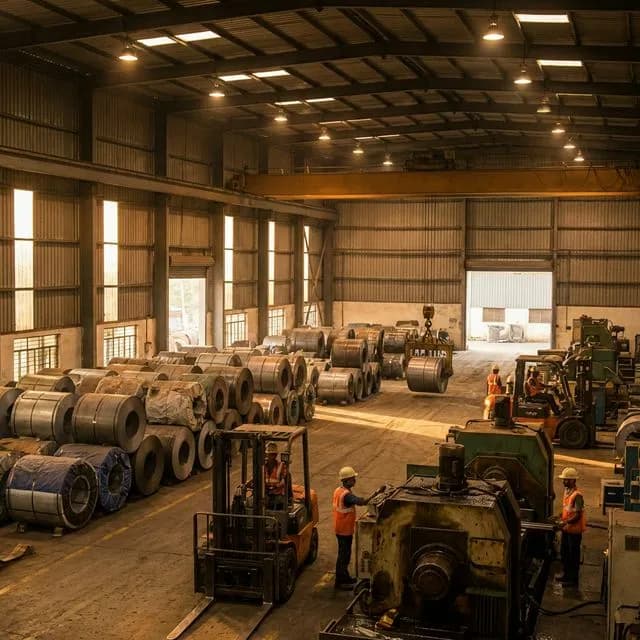
Apportioning Captive Power Plant Emissions Across Multiple Products for CBAM Compliance: A Deep Dive for Indian Exporters
Indian exporters with captive power plants need precise emission apportionment for CBAM. Learn how to accurately allocate emissions across diverse products to avoid high EU carbon taxes. CarbonSettle offers end-to-end CBAM compliance services.
 Technical Compliance
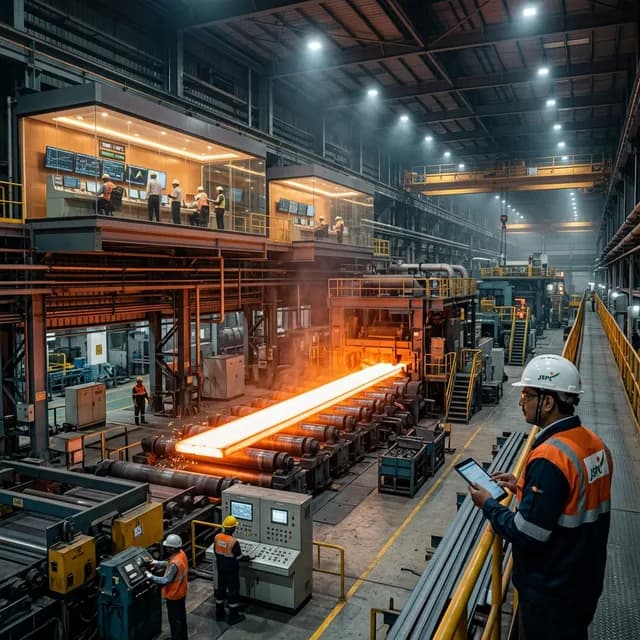
From Excel to EU XML: The CBAM Report Format Journey Explained for Indian Exporters
Indian exporters, navigate the EU CBAM reporting journey from factory data to EU XML. Learn data collection, calculation, and how CarbonSettle provides end-to-end CBAM compliance services.
 Technical Compliance
CBAM Emission Factors for India: Grid Electricity, Coal and Gas Explained
Demystify CBAM emission factors for Indian exporters. Learn how to calculate embedded emissions from grid electricity, coal, and natural gas to avoid high EU carbon taxes. Get practical guidance for your factory in Ludhiana, Pune, or Jamshedpur.