Key Takeaways
- Chartered Engineers play a critical role in validating factory data for CBAM compliance in India.
- Accurate data collection and emission calculations are essential for reducing CBAM liabilities.
- Indian exporters can save significant costs by ensuring compliance through expert validation.
- Engaging a Chartered Engineer can streamline the CBAM reporting process and enhance credibility with EU authorities.
- CarbonSettle offers end-to-end CBAM compliance services, including data validation and reporting.
Introduction
As Indian exporters prepare to navigate the complexities of the Carbon Border Adjustment Mechanism (CBAM), the role of Chartered Engineers becomes increasingly vital. The CBAM, as outlined in Regulation (EU) 2023/956, is set to impose carbon costs on imports to the European Union starting January 2026, significantly impacting sectors such as steel, cement, aluminum, fertilizers, and hydrogen. In this context, Chartered Engineers in India are essential for validating factory data to ensure compliance with these regulations, thereby protecting exporters from potential financial penalties.
This article will explore the pivotal role of Chartered Engineers in validating CBAM factory data in India, the processes involved, and how Indian exporters can leverage this expertise to enhance their compliance efforts.
What is the Role of Chartered Engineers in CBAM Compliance?
Chartered Engineers are professionals recognized for their engineering expertise and ethical standards. In the context of CBAM, their primary role is to validate the accuracy of data related to greenhouse gas emissions from manufacturing processes. This validation is crucial because the EU requires precise emission calculations to determine the carbon costs associated with imported goods.
Why is Data Validation Important for CBAM?
Data validation is essential for several reasons:
- Accuracy: Incorrect data can lead to higher carbon tax liabilities, costing Indian exporters significantly. For example, if an Indian steel manufacturer inaccurately reports emissions, they could face penalties of up to €30 per ton of CO2 equivalent.
- Credibility: Validated data enhances the credibility of Indian exporters with EU authorities, facilitating smoother market access.
- Financial Savings: By ensuring accurate reporting, exporters can potentially save up to 40% on CBAM taxes compared to EU default values, translating into substantial cost reductions.
See what CBAM will cost your buyer
Free 30-second check — pick your product and tonnage, get your buyer-side savings number.
How Chartered Engineers Validate Factory Data
The validation process involves several key steps that Chartered Engineers undertake to ensure compliance with CBAM requirements:
1. Data Collection
Chartered Engineers begin by collecting relevant data from the factory. This includes:
- Electricity bills from local utility providers like MSEDCL or TANGEDCO.
- Fuel invoices for all energy sources used in production.
- Production logs detailing the quantity and type of products manufactured.
2. Emission Factor Calculation
Once the data is collected, Chartered Engineers calculate the emission factors based on established methodologies. They utilize standardized emission factors provided by the EU or other recognized sources to ensure accuracy. For instance, the emission factor for steel production is approximately 1.8 tons of CO2 per ton of steel produced.
3. Data Verification
After calculations, Chartered Engineers verify the data against industry benchmarks and historical performance. This step ensures that the reported emissions are consistent and reasonable based on the factory's operational profile.
4. Reporting
The validated data is then compiled into a report that meets the EU's CBAM reporting requirements. This report must include detailed information on emissions, production volumes, and the methodology used for calculations.
5. Coordination with EU Importers
Chartered Engineers often liaise with EU importers to ensure that all necessary documentation is in place for smooth customs clearance. This collaboration helps to mitigate any potential issues that may arise during the import process.
The Financial Implications of CBAM for Indian Exporters
Understanding the financial implications of CBAM is crucial for Indian exporters. The mechanism is designed to level the playing field between EU producers and foreign exporters by imposing a carbon cost on imports.
What Costs Can Indian Exporters Expect?
- Carbon Costs: Starting in 2026, exporters may face costs of up to €30 per ton of CO2 emitted. For example, if an Indian cement manufacturer produces 100,000 tons of cement with an emission factor of 0.9 tons CO2 per ton, they could incur a carbon cost of €2.7 million (approximately ₹24 crore) based on current rates.
- Compliance Costs: Engaging Chartered Engineers for data validation and reporting can also incur costs. However, these costs are often outweighed by the potential savings achieved through accurate reporting and reduced carbon liabilities.
2026 Regulatory Impact for Indian Exporters
The definitive phase of CBAM starting in January 2026 will require Indian exporters to adhere strictly to the new regulations. This phase will involve:
- Full implementation of carbon pricing on imports.
- Mandatory reporting of emissions data to EU authorities.
- Increased scrutiny of emissions calculations and verification processes.
How Should Indian Exporters Prepare?
- Engage Chartered Engineers Early: Start working with Chartered Engineers now to establish robust data collection and verification processes.
- Invest in Training: Provide training for compliance officers and factory staff on CBAM requirements and data collection methodologies.
- Review Supply Chains: Evaluate suppliers and their emission profiles to ensure compliance throughout the supply chain.
How to Choose the Right Chartered Engineer for CBAM Compliance
Selecting the right Chartered Engineer is crucial for effective CBAM compliance. Here are some factors to consider:
- Experience: Look for engineers with experience in CBAM compliance and a strong understanding of EU regulations.
- Reputation: Seek recommendations from other Indian exporters who have successfully navigated CBAM.
- Services Offered: Ensure that the engineer provides comprehensive services, including data validation, reporting, and coordination with EU importers.
How CarbonSettle Can Help
Navigating the complexities of CBAM can be daunting for Indian exporters, but you don’t have to do it alone. CarbonSettle is India’s #1 end-to-end CBAM compliance service, providing complete hand-holding from collecting your factory data (electricity bills, fuel invoices, production logs) to generating EU-ready verified reports and coordinating with your EU importer.
By partnering with CarbonSettle, you can save up to 40% on CBAM tax versus EU default values, ensuring that your business remains competitive in the European market. Contact us today at +91 7625095885 (or WhatsApp: 7625095885) to learn how we can take your entire CBAM headache away.
Frequently asked questions
What is CBAM and why is it important for Indian exporters?
How can Chartered Engineers assist in CBAM compliance?
What are the potential financial penalties for non-compliance with CBAM?
How can I find a qualified Chartered Engineer for CBAM compliance in India?
What services does CarbonSettle offer to support CBAM compliance?
Compliance disclaimer
Strategies described here are for educational purposes. CBAM regulations (EU 2023/956) evolve quarterly — always verify with your accredited verifier before filing definitive reports.
We’ll do your entire CBAM quarter — ₹0.
A dedicated CBAM expert plus our AI do the whole April–June 2026 report end-to-end: your factory data in, verified actual emissions out — so your buyer pays your real number, not the inflated EU default. The report is yours to keep.
Start your report by 30 September 2026 to claim the free quarter.
Bills, logs, photos — one afternoon.
Verified actuals, EU XML, audit standard.
Yours to keep. ₹0 this quarter.
Prefer to talk? +91 76250 95885 · or run a 30-second savings check first
The complete CBAM guide for Indian exporters
The full compliance roadmap — CN codes, emissions, deadlines, penalties and how to keep your EU orders.
More CBAM guidance for Indian exporters
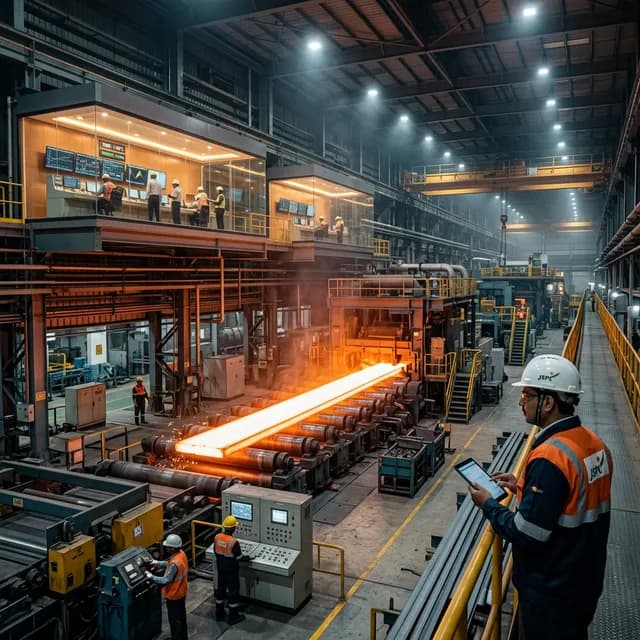 CBAM Strategy
Why Factory Data in India Requires Human Consultants, Not Just Tech
Discover why Indian factories need human consultants for effective data management, especially for CBAM compliance. Get expert insights here.
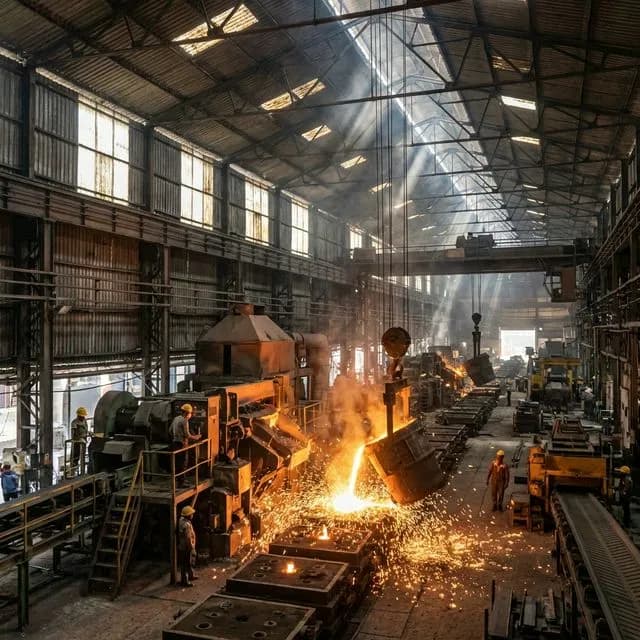 CBAM Strategy
Primary vs Secondary Emission Data: A Field Guide for Indian Factory Managers
Explore the differences between primary and secondary emission data for Indian exporters and learn how to optimize compliance with CBAM.
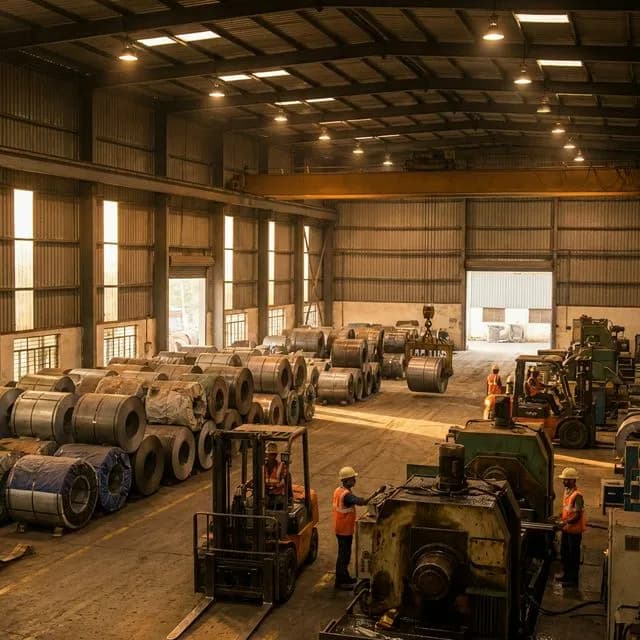 CBAM Strategy
Fasteners Exported to Germany: Managing Supplier Data for 100+ Components
Discover essential strategies for Indian exporters managing supplier data for fasteners exported to Germany, ensuring compliance and efficiency.