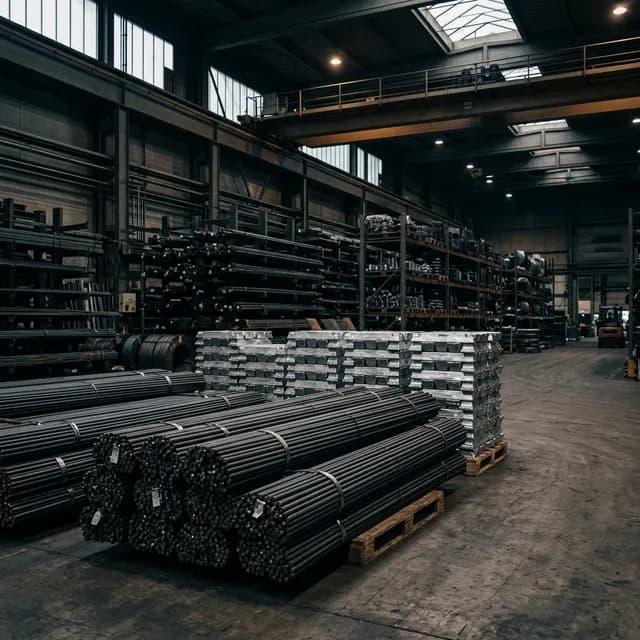
Key Takeaways
- The Carbon Border Adjustment Mechanism (CBAM) impacts Indian exporters to France, particularly in sectors like steel, cement, and aluminum.
- Compliance requires accurate data collection, emission calculations, and understanding of HS/CN codes.
- Starting from January 2026, the definitive phase of CBAM will impose financial obligations on Indian exporters.
- CarbonSettle offers end-to-end CBAM compliance services to simplify your compliance journey.
What is CBAM and Why Does it Matter for Indian Exporters to France?
The Carbon Border Adjustment Mechanism (CBAM) is a significant regulatory initiative by the European Union, aimed at reducing carbon emissions and preventing carbon leakage. For Indian exporters, particularly those in high-emission industries such as steel, cement, aluminum, fertilizers, and hydrogen, understanding CBAM is crucial when exporting to France. The regulation requires importers in the EU to pay a carbon price on goods imported from countries with less stringent climate policies.
For Indian MSMEs, this means that failure to comply with CBAM could lead to increased costs, making products less competitive in the French market. The financial implications are substantial; estimates suggest that non-compliance could result in penalties upwards of €50 per ton of CO2 emitted, which can significantly affect profit margins.
How to Prepare for CBAM Compliance
Preparing for CBAM compliance requires a systematic approach. Here are the key steps Indian exporters should take:
1. Understand Your Product's Classification
The first step in CBAM compliance is understanding the Harmonized System (HS) or Combined Nomenclature (CN) codes that apply to your products. These codes determine whether your goods fall under the CBAM regulations. For example, steel products typically fall under HS code 72, while cement falls under HS code 25.
2. Collect Relevant Data
Accurate data collection is critical. Indian manufacturers need to gather information on:
- Production volumes
- Energy consumption (electricity bills from providers like MSEDCL, UGVCL, and TANGEDCO)
- Emission factors specific to their production processes
This data will be crucial for calculating your carbon emissions. Ensure that your data is comprehensive, as discrepancies can lead to compliance issues.
3. Calculate Your Emissions
Once you have collected the necessary data, the next step is to calculate your emissions. This involves using the emission factors relevant to your industry. For instance, the emission factor for cement production can be around 0.9 tons of CO2 per ton of cement produced. By multiplying your production volume with the emission factor, you can estimate your total emissions.
4. Engage with Suppliers
Your suppliers play a crucial role in your compliance journey. Engage with them to gather data on the materials they provide, as this will impact your overall emissions calculations. Establishing a good relationship with suppliers can facilitate better data sharing and ensure that you have accurate information for compliance.
See what CBAM will cost your buyer
Free 30-second check — pick your product and tonnage, get your buyer-side savings number.
Understanding CBAM Reporting Requirements
Indian exporters must be aware of the reporting requirements under CBAM. The regulation mandates that importers submit specific documentation to demonstrate compliance. This includes:
- Detailed emission reports
- Proof of carbon price paid
- Documentation of the production process
Starting from January 2026, exporters will need to file these reports electronically, using EU-compliant formats. It is essential to stay updated on these requirements to avoid penalties and ensure smooth operations.
2026 Regulatory Impact for Indian Exporters
The definitive phase of CBAM will begin in January 2026, marking a transition from a transitional period to full enforcement. During this phase, Indian exporters will face stricter financial obligations. It is expected that the carbon price could range between €30 and €50 per ton of CO2 emitted, significantly impacting cost structures.
Moreover, exporters will need to pay close attention to the evolving regulatory landscape, as the EU continues to refine its carbon pricing mechanisms. Companies that fail to adapt could find themselves at a competitive disadvantage in the French market.
How to Ensure Compliance and Avoid Penalties
To ensure compliance and avoid potential penalties, Indian exporters should consider the following strategies:
1. Invest in Training
Training your team on CBAM compliance is crucial. This includes understanding the regulatory framework, data collection, and reporting requirements. Regular training sessions can help keep your staff updated on any changes in regulations.
2. Collaborate with Experts
Partnering with a CBAM compliance expert can significantly ease the burden of compliance. This is where CarbonSettle comes in. As India's #1 end-to-end CBAM compliance service, we take your entire CBAM headache away. Our dedicated team handles everything from factory data collection to generating EU-ready verified reports.
3. Conduct Regular Audits
Regular audits of your emissions data and compliance processes can help identify potential issues before they escalate. This proactive approach can save you from costly penalties and ensure that you remain compliant with EU regulations.
How CarbonSettle Can Help
CarbonSettle is India's #1 end-to-end CBAM compliance service. We provide complete hand-holding throughout your compliance journey, from collecting your factory data (electricity bills, fuel invoices, production logs) to generating EU-ready verified reports and coordinating with your EU importer. By partnering with us, Indian exporters can save up to 40% on CBAM tax versus EU default values.
Our dedicated team of CBAM experts ensures that you don't have to learn any software or hire compliance staff. We manage everything, allowing you to focus on your core business operations. For more information, contact us at +91 7625095885 (or WhatsApp: 7625095885) or contact CarbonSettle for a free CBAM assessment.
Frequently asked questions
What is CBAM and how does it affect Indian exporters?
How can Indian manufacturers prepare for CBAM compliance?
What are the penalties for non-compliance with CBAM?
When does the definitive phase of CBAM start?
How can CarbonSettle assist Indian exporters with CBAM compliance?
Compliance disclaimer
Strategies described here are for educational purposes. CBAM regulations (EU 2023/956) evolve quarterly — always verify with your accredited verifier before filing definitive reports.
We’ll do your entire CBAM quarter — ₹0.
A dedicated CBAM expert plus our AI do the whole April–June 2026 report end-to-end: your factory data in, verified actual emissions out — so your buyer pays your real number, not the inflated EU default. The report is yours to keep.
Start your report by 30 September 2026 to claim the free quarter.
Bills, logs, photos — one afternoon.
Verified actuals, EU XML, audit standard.
Yours to keep. ₹0 this quarter.
Prefer to talk? +91 76250 95885 · or run a 30-second savings check first
The complete CBAM guide for Indian exporters
The full compliance roadmap — CN codes, emissions, deadlines, penalties and how to keep your EU orders.
More CBAM guidance for Indian exporters
 CBAM Strategy
How EU Buyers Shortlist CBAM-Ready Suppliers: Inside the 2026 RFQ Process
Indian exporters, understand how EU buyers will shortlist CBAM-ready suppliers post-2026. This guide details the RFQ process, data requirements, and how to become a preferred partner. Get end-to-end CBAM compliance support from CarbonSettle.
 CBAM Strategy
Templates for Requesting CBAM Data from Tier 2 Suppliers in India
Discover effective templates for requesting CBAM data from Tier 2 suppliers in India to ensure compliance and streamline your export processes.
CBAM StrategyHow to Convince Unorganized Indian Suppliers to Share Carbon Data
Learn effective strategies for Indian exporters to persuade unorganized suppliers to share essential carbon data for CBAM compliance.