Key Takeaways
- The Carbon Border Adjustment Mechanism (CBAM) will require Indian exporters to allocate additional working capital for compliance costs.
- Understanding emission factors and potential penalties is crucial for accurate financial planning.
- Indian exporters can save up to 40% on CBAM taxes through effective data management and accurate emissions reporting.
- Engaging a dedicated CBAM compliance service can streamline the process and mitigate risks.
Introduction
The European Union's Carbon Border Adjustment Mechanism (CBAM), as outlined in Regulation (EU) 2023/956, will significantly impact the working capital of Indian exporters, particularly those in sectors like steel, cement, aluminum, fertilizers, and hydrogen. As Indian MSMEs prepare to enter the EU market, understanding the financial implications of CBAM is essential for maintaining liquidity and ensuring compliance. The definitive phase of CBAM begins in January 2026, making it imperative for Indian manufacturers to grasp how these regulations will affect their financial planning and operational costs.
What is CBAM and Why Does it Matter for Indian Exporters?
CBAM is designed to impose a carbon tax on imports into the EU, effectively equalizing the carbon costs between EU producers and foreign exporters. For Indian exporters, this means that they will need to account for carbon emissions associated with their products, leading to potential additional costs that directly impact working capital.
For instance, if an Indian steel manufacturer exports 1,000 tons of steel to the EU, they must calculate the associated emissions and the corresponding CBAM tax. If the EU carbon price is €50 per ton, this could translate to an additional cost of €50,000 (approximately ₹4,500,000) that needs to be factored into their working capital.
How Will CBAM Affect Working Capital Requirements?
CBAM will necessitate a reevaluation of working capital for Indian exporters due to several factors:
-
Compliance Costs: Exporters will need to invest in compliance-related activities, including data collection, emission calculations, and reporting. This could require hiring compliance experts or engaging a managed CBAM service like CarbonSettle, leading to increased operational costs.
-
Cash Flow Management: The upfront costs associated with CBAM compliance can strain cash flow. For example, if a manufacturer needs to pay for emissions verification services upfront, this can deplete available working capital.
-
Penalties for Non-Compliance: The potential for penalties due to non-compliance can further strain working capital. Fines can reach up to 10% of the total shipment value, making it critical for exporters to ensure accurate reporting and compliance.
-
Impact on Pricing Strategy: To maintain margins, Indian exporters may need to adjust their pricing strategies to account for CBAM-related costs, which could affect their competitiveness in the EU market.
See what CBAM will cost your buyer
Free 30-second check — pick your product and tonnage, get your buyer-side savings number.
Understanding Emission Factors and Their Financial Implications
Emission factors play a crucial role in determining the CBAM tax liability for Indian exporters. These factors represent the amount of CO2 emissions produced per unit of product. For instance, the emission factor for steel production can vary significantly based on the manufacturing process used.
Indian exporters must accurately calculate their emission factors to avoid overpaying on CBAM taxes. This involves collecting data on energy consumption, raw material usage, and production processes. Engaging a CBAM compliance service can alleviate the burden of this data collection and ensure accurate calculations, potentially saving exporters significant amounts in taxes.
Strategies to Mitigate CBAM Impact on Working Capital
To navigate the financial implications of CBAM, Indian exporters can adopt several strategies:
-
Engage a CBAM Compliance Partner: By partnering with a dedicated CBAM compliance service like CarbonSettle, exporters can offload the complexities of data collection, emissions reporting, and compliance management. This allows them to focus on their core operations while ensuring compliance.
-
Invest in Energy Efficiency: Improving energy efficiency can reduce emissions and, consequently, CBAM tax liabilities. Indian manufacturers can explore energy-efficient technologies and processes to lower their carbon footprint and working capital needs.
-
Financial Planning and Forecasting: Exporters should incorporate CBAM-related costs into their financial forecasts. This includes estimating potential CBAM taxes based on projected sales volumes and current EU carbon prices, allowing for better cash flow management.
-
Supplier Collaboration: Engaging with suppliers to gather accurate emissions data is vital. By collaborating with suppliers, Indian exporters can ensure that they have the necessary information to calculate their emissions accurately, which can ultimately reduce their working capital burden.
-
Diversify Markets: While the EU presents significant opportunities, diversifying into other markets can help mitigate risks associated with CBAM. By reducing reliance on the EU market, Indian exporters can better manage their working capital.
2026 Regulatory Impact for Indian Exporters
Starting January 2026, the definitive phase of CBAM will impose stricter requirements on Indian exporters. This phase will require detailed reporting of emissions and compliance with EU standards, significantly impacting working capital.
During this phase, Indian exporters will need to prepare for the following:
-
Increased Reporting Requirements: Exporters will be required to submit detailed reports on emissions associated with their products. This will necessitate robust data management systems and potentially additional staffing or outsourcing to ensure compliance.
-
Potential for Higher Costs: As EU carbon prices fluctuate, Indian exporters must be prepared for varying CBAM tax liabilities. This uncertainty can complicate cash flow management and working capital planning.
-
Stricter Penalties: Non-compliance will result in harsher penalties, emphasizing the need for accurate reporting and adherence to regulations. Exporters must prioritize compliance to avoid financial setbacks.
-
Long-Term Financial Planning: With the definitive phase in place, Indian exporters should develop long-term financial strategies that incorporate CBAM-related costs. This includes assessing the impact on pricing, cost structures, and overall profitability.
How to Prepare for CBAM Compliance
To ensure smooth compliance with CBAM, Indian exporters should follow these actionable steps:
-
Data Collection: Begin collecting data related to energy consumption, production processes, and raw material usage. This information will be critical for calculating emissions accurately.
-
Verify HS/CN Codes: Ensure that the Harmonized System (HS) or Combined Nomenclature (CN) codes for your products are correctly classified. Accurate classification is essential for determining applicable CBAM regulations.
-
Calculate Emissions: Use the collected data to calculate emissions based on the relevant emission factors. This step is crucial for understanding potential CBAM tax liabilities.
-
Engage with Suppliers: Reach out to suppliers to gather emissions data related to raw materials. This collaboration will enhance the accuracy of your emissions calculations.
-
Prepare for Reporting: Familiarize yourself with the reporting requirements outlined in Regulation (EU) 2023/956. Ensure that you have the necessary systems in place to generate accurate reports for submission.
How CarbonSettle Can Help
Navigating the complexities of CBAM compliance can be overwhelming for Indian exporters. That's where CarbonSettle comes in — India's #1 end-to-end CBAM compliance service. We take your entire CBAM headache away by handling everything from collecting your factory data (electricity bills, fuel invoices, production logs) to generating EU-ready verified reports and coordinating with your EU importer. Our dedicated CBAM team ensures that you stay compliant while potentially saving you up to 40% on CBAM tax versus EU default values.
Don't let CBAM compliance be a burden on your working capital. Contact CarbonSettle for a free CBAM assessment and let us help you navigate the complexities of CBAM so you can focus on growing your business.
Frequently asked questions
What is the Carbon Border Adjustment Mechanism (CBAM)?
How will CBAM affect the working capital of Indian exporters?
What steps can Indian exporters take to prepare for CBAM?
What are the penalties for non-compliance with CBAM?
How can CarbonSettle assist Indian exporters with CBAM compliance?
Compliance disclaimer
Strategies described here are for educational purposes. CBAM regulations (EU 2023/956) evolve quarterly — always verify with your accredited verifier before filing definitive reports.
We’ll do your entire CBAM quarter — ₹0.
A dedicated CBAM expert plus our AI do the whole April–June 2026 report end-to-end: your factory data in, verified actual emissions out — so your buyer pays your real number, not the inflated EU default. The report is yours to keep.
Start your report by 30 September 2026 to claim the free quarter.
Bills, logs, photos — one afternoon.
Verified actuals, EU XML, audit standard.
Yours to keep. ₹0 this quarter.
Prefer to talk? +91 76250 95885 · or run a 30-second savings check first
The complete CBAM guide for Indian exporters
The full compliance roadmap — CN codes, emissions, deadlines, penalties and how to keep your EU orders.
More CBAM guidance for Indian exporters
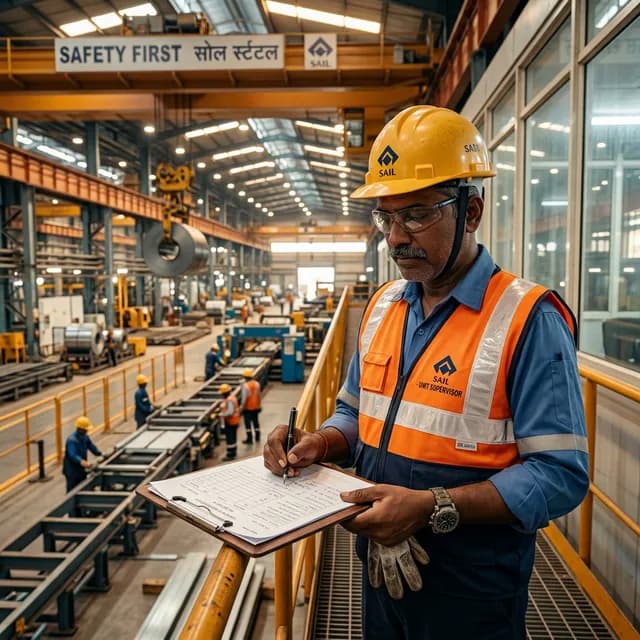 Financial Planning
CBAM Liability for Indian Merchant Exporters and Trading Houses: Who Really Pays?
Indian merchant exporters and trading houses: Understand your CBAM liability. Who pays the EU carbon tax? Get practical guidance for compliance and cost management. CarbonSettle helps.
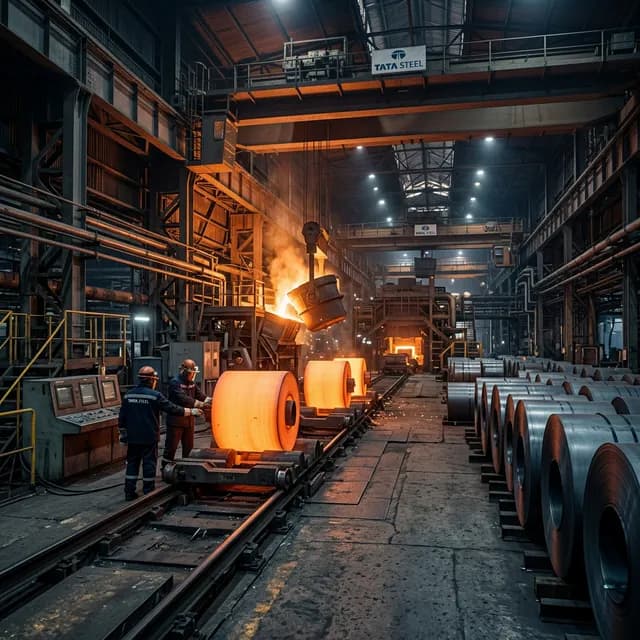 Financial Planning
Will the Government Pay for Your CBAM Compliance? India's Proposed MSME Support Scheme Explained
Indian MSMEs exporting to the EU need CBAM compliance. Explore India's proposed government support schemes, financial aid, and how to navigate CBAM costs. Get expert help from CarbonSettle.
 Financial Planning
CBAM Penalties in 2026: What Non-Compliance Actually Costs and Who Pays
Indian exporters, understand the severe CBAM penalties starting 2026. Learn who pays, how much non-compliance costs, and how CarbonSettle ensures your seamless CBAM compliance.