Key Takeaways
- CBAM (Carbon Border Adjustment Mechanism) introduces exemption thresholds for low-volume shipments, impacting Indian exporters.
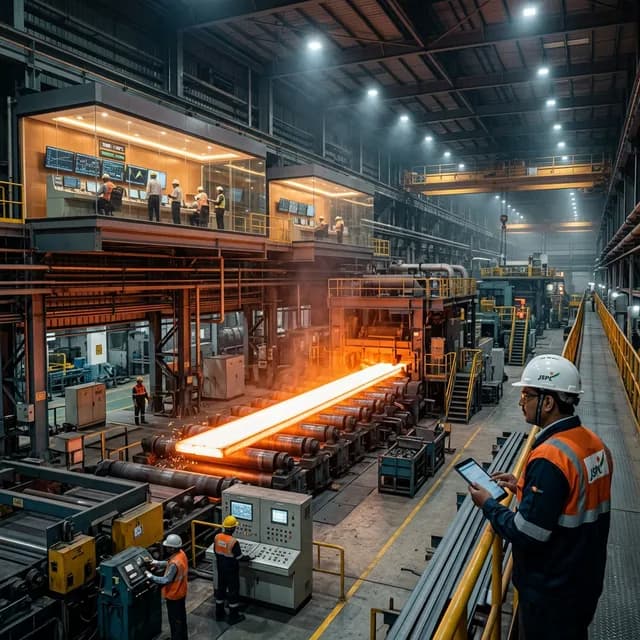
- The exemption applies to specific sectors, including steel and cement, with a threshold of 25,000 tonnes of CO2 equivalent emissions.
- Exporters must assess their emissions and volumes to determine eligibility.
- Understanding the CBAM regulations can save exporters significant costs and compliance efforts.
- CarbonSettle offers end-to-end CBAM compliance services to help Indian exporters navigate these complexities.
What is CBAM and Why is it Important for Indian Exporters?
The Carbon Border Adjustment Mechanism (CBAM) is a regulatory framework introduced by the European Union (EU) to address carbon emissions from imported goods. For Indian exporters, understanding CBAM is crucial as it aims to level the playing field between EU producers and non-EU producers, such as those in India, by imposing a carbon cost on imports that do not meet EU environmental standards.
As the EU aims to reduce greenhouse gas emissions significantly by 2030, Indian manufacturers in sectors like steel, cement, aluminum, fertilizers, and hydrogen must prepare for the implications of CBAM. This includes understanding the exemption thresholds that may apply to their shipments, especially for low-volume exports.
What are CBAM Exemption Thresholds?
CBAM exemption thresholds are specific limits set by the EU that determine whether certain low-volume shipments are exempt from carbon pricing under the CBAM regulation. According to Regulation (EU) 2023/956, these thresholds are designed to protect smaller exporters from the financial burden of compliance, allowing them to compete more effectively in the EU market.
For most sectors covered under CBAM, such as steel and cement, the exemption threshold is set at 25,000 tonnes of CO2 equivalent emissions per year. This means that if your total emissions from a specific product fall below this threshold, you may not be required to pay the carbon adjustment fee on those exports to the EU.
How to Determine if Your Shipments Fall Below the Exemption Threshold
To determine whether your shipments qualify for the CBAM exemption, you need to follow several steps:
-
Calculate Your Emissions: Begin by assessing the total CO2 emissions associated with your production processes. This involves gathering data on energy consumption, material inputs, and production volumes.
-
Identify Relevant Products: Ensure that you are aware of the specific products you are exporting to the EU and their corresponding HS (Harmonized System) codes. This is critical for accurate reporting and compliance.
-
Assess Total Shipments: Calculate the total volume of your shipments to the EU over the relevant reporting period. If your total shipments do not exceed the 25,000 tonnes CO2 equivalent threshold, you may qualify for exemption.
-
Consult with Experts: Engaging with a CBAM compliance service provider can help streamline this process. They can provide guidance on emission calculations and reporting requirements.
By following these steps, Indian exporters can better understand their eligibility for exemption and make informed decisions regarding their EU shipments.
The Impact of CBAM on Different Sectors
Steel and Cement
For Indian exporters in the steel and cement sectors, the CBAM exemption threshold is particularly relevant. Given the high emissions associated with these industries, understanding the threshold can significantly impact cost structures and competitiveness in the EU market.
For instance, if a steel manufacturer in Jamshedpur produces 20,000 tonnes of steel with an emission factor of 1.8 tonnes of CO2 per tonne of steel, the total emissions would be 36,000 tonnes of CO2, exceeding the threshold. This manufacturer would need to comply with CBAM requirements. Conversely, a smaller producer with lower emissions may benefit from the exemption.
Aluminum and Fertilizers
Similar considerations apply to the aluminum and fertilizer sectors, where emissions can also be substantial. Indian exporters should perform a detailed analysis of their production processes and emissions to determine their standing under the exemption thresholds.
Hydrogen
The hydrogen sector presents unique challenges and opportunities under CBAM. As the EU pushes for greener hydrogen production, Indian exporters focusing on low-emission hydrogen production methods may find themselves well-positioned to benefit from exemptions, provided they meet the necessary criteria.
2026 Regulatory Impact for Indian Exporters
Starting January 2026, the definitive phase of CBAM will come into effect, meaning that compliance becomes mandatory for all relevant sectors. This phase will require Indian exporters to report their emissions accurately, pay the applicable carbon costs, and submit necessary documentation to EU authorities.
The financial implications for Indian exporters can be significant. If a manufacturer in Gujarat produces 30,000 tonnes of cement with an emission factor of 0.8 tonnes of CO2 per tonne, the total emissions would be 24,000 tonnes, just under the exemption threshold. However, if production increases, the exporter would face a substantial carbon adjustment fee on the excess emissions.
Understanding the impending regulatory landscape is crucial for Indian exporters to plan their operations, adjust production methods, and potentially invest in cleaner technologies to stay competitive in the EU market.
Practical Steps for Indian Exporters to Prepare for CBAM Compliance
Indian exporters must take proactive steps to ensure compliance with CBAM regulations. Here are practical actions to consider:
-
Data Collection: Gather data on your factory's energy consumption, production volumes, and emissions. This includes invoices from local utility providers like MSEDCL, UGVCL, or TANGEDCO, which can provide insights into energy usage.
-
Emission Calculations: Utilize the appropriate emission factors for your products to calculate total emissions accurately. This requires understanding the specific factors set by the EU for your product categories.
-
Supplier Outreach: Engage your suppliers to gather necessary data on materials used in production. This will help you calculate the upstream emissions associated with your products.
-
Reporting: Prepare to submit the required reports to EU authorities, detailing your emissions and compliance status. This will likely include generating EU XML reports and coordinating with your EU importer.
-
Consultation with Experts: Consider partnering with a CBAM compliance service provider like CarbonSettle to navigate the complexities of CBAM compliance. Our team can handle everything from data collection to report generation, ensuring you remain compliant without the headache of managing the process yourself.
How CarbonSettle Can Help
Navigating the complexities of CBAM compliance can be daunting for Indian exporters. At CarbonSettle, we offer India's #1 end-to-end CBAM compliance service, providing complete hand-holding throughout the process. Our dedicated team takes care of everything from collecting your factory data (including electricity bills, fuel invoices, and production logs) to generating EU-ready verified reports and coordinating with your EU importer.
By partnering with us, you can save up to 40% on CBAM tax compared to EU default values, ensuring your competitiveness in the EU market. Don’t let compliance be a burden—let CarbonSettle handle it all for you.
For a free CBAM assessment, contact us at +91 7625095885 (or WhatsApp: 7625095885) and discover how we can simplify your CBAM journey.
Frequently Asked Questions
What are the exemption thresholds under CBAM for Indian exporters?
The exemption thresholds under CBAM are set at 25,000 tonnes of CO2 equivalent emissions per year for most sectors, including steel and cement. If your total emissions from a specific product fall below this threshold, you may not be required to pay the carbon adjustment fee on those exports to the EU.
How can I calculate my emissions to determine CBAM compliance?
To calculate your emissions, gather data on your factory's energy consumption, production volumes, and materials used. Utilize the emission factors provided by the EU for your specific product categories to determine total emissions accurately.
What happens if my emissions exceed the exemption threshold?
If your emissions exceed the exemption threshold, you will be required to comply with CBAM regulations, which includes paying the carbon adjustment fee on the excess emissions and submitting necessary documentation to EU authorities.
How can CarbonSettle assist with CBAM compliance?
CarbonSettle provides an end-to-end CBAM compliance service, handling everything from data collection and emission calculations to report generation and coordination with your EU importer. Our experts ensure you remain compliant without the burden of managing the process yourself.
When does the definitive phase of CBAM start?
The definitive phase of CBAM will come into effect starting January 2026. This phase will require mandatory compliance for all relevant sectors, making it essential for Indian exporters to prepare in advance to avoid penalties and ensure smooth operations in the EU market.
Compliance disclaimer
Strategies described here are for educational purposes. CBAM regulations (EU 2023/956) evolve quarterly — always verify with your accredited verifier before filing definitive reports.
The complete CBAM guide for Indian exporters
The full compliance roadmap — CN codes, emissions, deadlines, penalties and how to keep your EU orders.
See your real CBAM number — in your language.
A named CBAM expert extracts your actual emissions from electricity and production records — so your buyer pays the verified number, not the inflated EU default.
Get a free CBAM assessmentOr call us — +91 76250 95885
More CBAM guidance for Indian exporters
 CBAM Strategy
CBAM Reporting: Managing In-House vs Outsourcing to a CBAM Service Provider
Explore the pros and cons of in-house CBAM reporting versus outsourcing to a service provider for Indian exporters navigating EU regulations.
 CBAM Strategy
The Role of Chartered Engineers in Validating CBAM Factory Data in India
Discover how Chartered Engineers ensure accurate CBAM compliance for Indian exporters, safeguarding your business in the EU market.
CBAM StrategyFasteners Exported to Germany: Managing Supplier Data for 100+ Components
Discover essential strategies for Indian exporters managing supplier data for fasteners exported to Germany, ensuring compliance and efficiency.