Key Takeaways
- The Howrah Foundry Belt is a significant hub for iron casting in West Bengal, contributing to both local and international markets.
- Emission accounting is crucial for compliance with the EU's Carbon Border Adjustment Mechanism (CBAM), which will impact exporters starting January 2026.
- Indian iron casters must calculate their greenhouse gas emissions accurately to avoid penalties and optimize costs.
- Utilizing expert services like CarbonSettle can facilitate end-to-end CBAM compliance, ensuring accurate data collection and reporting.
Introduction to the Howrah Foundry Belt
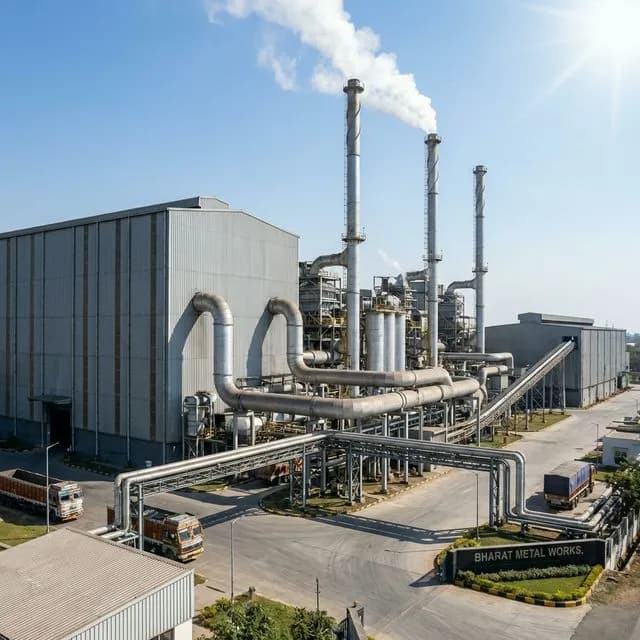
The Howrah Foundry Belt, located in West Bengal, is one of India's oldest and most significant centers for iron casting. Known for its high-quality cast iron products, this region is home to numerous small and medium-sized enterprises (SMEs) that cater to both domestic and international markets. With the impending implementation of the EU’s Carbon Border Adjustment Mechanism (CBAM) starting January 2026, Indian exporters, especially those in the Howrah Foundry Belt, must prioritize emission accounting to remain competitive in the global market.
What is Emission Accounting?
Emission accounting refers to the systematic process of quantifying greenhouse gas (GHG) emissions produced during manufacturing processes. For iron casters in Howrah, this means accurately measuring emissions from various sources, including energy consumption, raw material processing, and transportation. The data collected will be vital for compliance with CBAM, which imposes carbon costs on imported goods based on their carbon footprint.
Why is Emission Accounting Important for Indian Exporters?
For Indian exporters in the Howrah Foundry Belt, understanding and implementing effective emission accounting practices is essential for several reasons:
-
Regulatory Compliance: With CBAM set to be enforced, exporters must comply with EU regulations to avoid hefty penalties and ensure continued access to European markets.
-
Cost Optimization: By accurately accounting for emissions, businesses can identify areas for improvement and potentially reduce their carbon tax burden. This can lead to significant savings; for instance, companies could save up to 40% on CBAM tax by optimizing their emissions.
-
Market Competitiveness: As global demand shifts towards sustainable products, businesses that demonstrate lower emissions will have a competitive edge.
See what CBAM will cost your buyer
Free 30-second check — pick your product and tonnage, get your buyer-side savings number.
How to Conduct Emission Accounting for Iron Casters
To effectively conduct emission accounting, Indian iron casters in the Howrah Foundry Belt should follow these steps:
Step 1: Data Collection
The first step in emission accounting is gathering relevant data. This includes:
- Energy Consumption: Collect electricity bills from local utility providers such as Calcutta Electric Supply Corporation (CESC) and West Bengal State Electricity Distribution Company Limited (WBSEDCL).
- Raw Materials: Document the types and quantities of raw materials used in the casting process.
- Production Logs: Maintain detailed records of production volumes and operational hours.
Step 2: Emission Factor Calculation
Emission factors are coefficients that represent the amount of carbon dioxide (CO2) emissions per unit of activity. For example, the emission factor for electricity in India is approximately 0.82 kg CO2 per kWh. This means that for every kilowatt-hour consumed, 0.82 kg of CO2 is emitted. By multiplying the total energy consumption by the emission factor, iron casters can estimate their total emissions from electricity use.
Step 3: Supplier Engagement
Engaging with suppliers is crucial for obtaining accurate data on the emissions associated with raw materials. This may involve:
- Requesting Environmental Product Declarations (EPDs) from suppliers.
- Collaborating with suppliers to understand their emission reduction strategies.
Step 4: Reporting and Documentation
Once emissions have been calculated, it is essential to prepare accurate reports for submission. This includes:
- Compiling data into the required format for EU reporting.
- Ensuring all calculations are transparent and verifiable.
Challenges in Emission Accounting
Iron casters in the Howrah Foundry Belt may face several challenges in emission accounting, including:
- Data Availability: Many SMEs may struggle to access comprehensive data from suppliers or may not have robust data collection systems in place.
- Complex Regulations: Understanding the nuances of EU regulations and emission factors can be overwhelming for businesses without dedicated compliance teams.
- Resource Constraints: Smaller manufacturers may lack the financial or human resources to invest in compliance initiatives.
2026 Regulatory Impact for Indian Exporters
Starting January 2026, the definitive phase of CBAM will require Indian exporters to account for and report their emissions accurately. This will involve financial obligations, including the payment of a carbon tax based on the carbon intensity of their products. For instance, if an iron caster produces 1,000 tonnes of cast iron with an average emission factor of 1.5 tonnes CO2 per tonne, they would be liable for a carbon tax calculated on the total emissions.
This definitive phase will not only impose costs but also necessitate strategic planning for emission reductions. Indian exporters must start preparing now to avoid last-minute scrambles and potential penalties.
How CarbonSettle Can Help
Navigating the complexities of emission accounting and CBAM compliance can be daunting for Indian exporters. This is where CarbonSettle comes in. As India's #1 end-to-end CBAM compliance service, we provide complete hand-holding throughout the entire process. From collecting your factory data, including electricity bills, fuel invoices, and production logs, to generating EU-ready verified reports and coordinating with your EU importer, we take your entire CBAM headache away.
By partnering with CarbonSettle, you can ensure compliance while potentially saving up to 40% on CBAM tax versus EU default values. Our dedicated team of experts is here to help you navigate the complexities of CBAM, allowing you to focus on what you do best—manufacturing high-quality iron castings.
For more information, contact us at +91 7625095885 (or WhatsApp: 7625095885) or contact CarbonSettle for a free CBAM assessment.
Frequently asked questions
What is the CBAM and how does it affect Indian exporters?
How can Indian iron casters calculate their emissions?
What are the potential penalties for non-compliance with CBAM?
How can CarbonSettle assist with CBAM compliance?
What steps should Indian exporters take now to prepare for CBAM?
Compliance disclaimer
Strategies described here are for educational purposes. CBAM regulations (EU 2023/956) evolve quarterly — always verify with your accredited verifier before filing definitive reports.
We’ll do your entire CBAM quarter — ₹0.
A dedicated CBAM expert plus our AI do the whole April–June 2026 report end-to-end: your factory data in, verified actual emissions out — so your buyer pays your real number, not the inflated EU default. The report is yours to keep.
Start your report by 30 September 2026 to claim the free quarter.
Bills, logs, photos — one afternoon.
Verified actuals, EU XML, audit standard.
Yours to keep. ₹0 this quarter.
Prefer to talk? +91 76250 95885 · or run a 30-second savings check first
The complete CBAM guide for Indian exporters
The full compliance roadmap — CN codes, emissions, deadlines, penalties and how to keep your EU orders.
More CBAM guidance for Indian exporters
 CBAM Strategy
Sponge Iron vs Pig Iron: Emission Intensity Variance and CBAM Liability
Explore the emission intensity differences between Sponge Iron and Pig Iron, and understand their implications for CBAM compliance for Indian exporters.
 CBAM Strategy
Solar and Captive Renewable Power: How They Lower Your CBAM Emission Factor
Indian exporters: Learn how investing in solar and captive renewable power directly reduces your CBAM carbon footprint and costs. Get practical guidance on calculating emission factors and leveraging renewables for CBAM compliance with CarbonSettle.
 CBAM Strategy
Primary vs Secondary Emission Data: A Field Guide for Indian Factory Managers
Explore the differences between primary and secondary emission data for Indian exporters and learn how to optimize compliance with CBAM.