
Key Takeaways
- Sponge Iron generally has a lower emission intensity compared to Pig Iron, impacting CBAM liabilities.
- Understanding the emission factors of both materials is crucial for Indian exporters to navigate EU regulations.
- Compliance with the CBAM will require accurate data collection and emission calculations.
- The definitive phase of CBAM starts in January 2026, necessitating immediate action from Indian MSMEs.
- Engaging with an end-to-end CBAM compliance service can significantly reduce tax liabilities.
Introduction
As Indian exporters prepare for the European Union's Carbon Border Adjustment Mechanism (CBAM), understanding the differences between Sponge Iron and Pig Iron is crucial. Both materials play significant roles in the steelmaking process, yet their emission intensities differ markedly. This variance has direct implications for CBAM compliance, which aims to level the playing field between EU producers and foreign exporters, including those from India. The EU's CBAM Regulation (EU 2023/956) will impose carbon taxes on imported goods based on their carbon emissions, starting with a transitional phase and moving into a definitive phase in January 2026. This article explores the emission intensity of Sponge Iron versus Pig Iron and the resulting CBAM liabilities for Indian exporters.
What is Sponge Iron?
Sponge Iron, also known as Direct Reduced Iron (DRI), is produced through the direct reduction of iron ore in the presence of a reducing agent, typically natural gas or coal. The process removes oxygen from iron ore, resulting in a porous, sponge-like material. The primary advantage of Sponge Iron is its relatively lower carbon footprint compared to Pig Iron, making it a more environmentally friendly option for steel production.
Emission Intensity of Sponge Iron
The emission intensity of Sponge Iron varies based on the production method and the energy source used. For instance, using natural gas as a reducing agent can result in an emission factor of approximately 1.5 tons of CO2 per ton of Sponge Iron produced. In contrast, using coal can increase this figure significantly, often exceeding 2.5 tons of CO2. Indian manufacturers, especially those in industrial hubs like Pune, Jamshedpur, and Gujarat, must assess their production methods to determine their emission factors accurately.
What is Pig Iron?
Pig Iron is produced from iron ore in a blast furnace, where iron ore, coke, and limestone are heated to high temperatures. The resulting product is a high-carbon iron that serves as a raw material for steelmaking. However, the production of Pig Iron is associated with higher carbon emissions due to the combustion of coke.
Emission Intensity of Pig Iron
Pig Iron has a significantly higher emission intensity than Sponge Iron, with an average emission factor of around 2.5 to 3.5 tons of CO2 per ton of Pig Iron produced. This high carbon footprint is primarily due to the reliance on coke, a carbon-intensive fuel. Indian exporters must be aware that the higher emissions associated with Pig Iron will lead to greater CBAM liabilities, particularly as the EU tightens its regulations on carbon emissions.
See what CBAM will cost your buyer
Free 30-second check — pick your product and tonnage, get your buyer-side savings number.
How Does CBAM Impact Indian Exporters?
The Carbon Border Adjustment Mechanism (CBAM) will require exporters to pay a carbon tax on goods entering the EU based on their carbon emissions. This tax is designed to protect EU industries from carbon leakage while encouraging foreign producers to adopt cleaner technologies. For Indian exporters of Sponge Iron and Pig Iron, understanding the implications of CBAM is crucial for maintaining competitiveness in the EU market.
CBAM Liability Calculations
CBAM liability is calculated based on the emissions associated with the production of goods. For Indian exporters, this means accurately determining the emission factors for both Sponge Iron and Pig Iron. Exporters must also be prepared to provide detailed documentation regarding their production processes and emissions. Failure to comply with these requirements could result in significant penalties, which could range from €20 to €50 per ton of CO2 emitted, depending on the market price of carbon credits.
2026 Regulatory Impact for Indian Exporters
The definitive phase of CBAM will begin in January 2026, marking a critical deadline for Indian exporters. During this phase, the EU will require full compliance with the reporting and payment of carbon taxes. This transition from a transitional phase to definitive obligations means that Indian MSMEs must act quickly to ensure they are prepared.
Financial Obligations
During the definitive phase, exporters will need to demonstrate compliance through accurate reporting of their emissions. This involves submitting EU-ready reports detailing the carbon intensity of their products. The financial obligations could be substantial; for instance, if an Indian exporter produces 10,000 tons of Pig Iron with an emission factor of 3 tons of CO2, they could face liabilities of up to €150,000 (approximately ₹13.5 million) based on current carbon prices. Conversely, if they switch to producing Sponge Iron with lower emissions, they could save significantly on CBAM taxes.
How to Calculate Emission Factors for Sponge Iron and Pig Iron
To comply with CBAM, Indian exporters must accurately calculate the emission factors for both Sponge Iron and Pig Iron. Here are actionable steps to achieve this:
-
Data Collection: Gather data on energy consumption, production volumes, and types of fuels used. This includes electricity bills from local utilities like MSEDCL or UGVCL and fuel invoices.
-
Emission Factor Verification: Refer to the latest emission factors provided by the EU or relevant Indian authorities. The EU provides a standardized list of emission factors that can be used for compliance.
-
Supplier Outreach: Collaborate with suppliers to obtain accurate data on the carbon intensity of raw materials. This is particularly important for manufacturers sourcing iron ore or coal.
-
Reporting Preparation: Prepare for the reporting requirements by organizing the collected data into a format that meets EU standards. This may involve generating EU-compliant XML reports.
-
Audit Readiness: Ensure that all documentation is in order for potential audits by EU authorities. This includes maintaining records of emissions calculations and supplier data.
Why Choose an End-to-End CBAM Compliance Service?
Navigating the complexities of CBAM compliance can be overwhelming for Indian exporters. Engaging with an end-to-end CBAM compliance service can alleviate these challenges.
Benefits of Using a CBAM Compliance Service
- Expertise: A dedicated CBAM compliance team has in-depth knowledge of EU regulations and can guide Indian exporters through the compliance process.
- Data Management: The service handles all data collection and management, ensuring accurate emissions calculations and reporting.
- Cost Savings: By optimizing production processes and emissions reporting, exporters can save up to 40% on CBAM tax compared to EU default values.
- Peace of Mind: With a managed service, exporters can focus on their core business while leaving the complexities of CBAM compliance to experts.
How CarbonSettle Can Help
CarbonSettle is India's #1 end-to-end CBAM compliance service, providing complete hand-holding from collecting your factory data (electricity bills, fuel invoices, production logs) to generating EU-ready verified reports and coordinating with your EU importer. Our dedicated team takes your entire CBAM headache away, ensuring that you meet all compliance requirements effortlessly. By partnering with CarbonSettle, Indian exporters can navigate the complexities of CBAM and potentially save up to 40% on CBAM tax versus EU default values.
For a seamless transition into the CBAM framework, contact CarbonSettle for a free CBAM assessment today.
Frequently asked questions
What are the main differences between Sponge Iron and Pig Iron?
How does CBAM affect Indian exporters?
What steps should Indian exporters take to comply with CBAM?
What are the financial implications of CBAM for Indian MSMEs?
How can CarbonSettle assist with CBAM compliance?
Compliance disclaimer
Strategies described here are for educational purposes. CBAM regulations (EU 2023/956) evolve quarterly — always verify with your accredited verifier before filing definitive reports.
We’ll do your entire CBAM quarter — ₹0.
A dedicated CBAM expert plus our AI do the whole April–June 2026 report end-to-end: your factory data in, verified actual emissions out — so your buyer pays your real number, not the inflated EU default. The report is yours to keep.
Start your report by 30 September 2026 to claim the free quarter.
Bills, logs, photos — one afternoon.
Verified actuals, EU XML, audit standard.
Yours to keep. ₹0 this quarter.
Prefer to talk? +91 76250 95885 · or run a 30-second savings check first
The complete CBAM guide for Indian exporters
The full compliance roadmap — CN codes, emissions, deadlines, penalties and how to keep your EU orders.
More CBAM guidance for Indian exporters
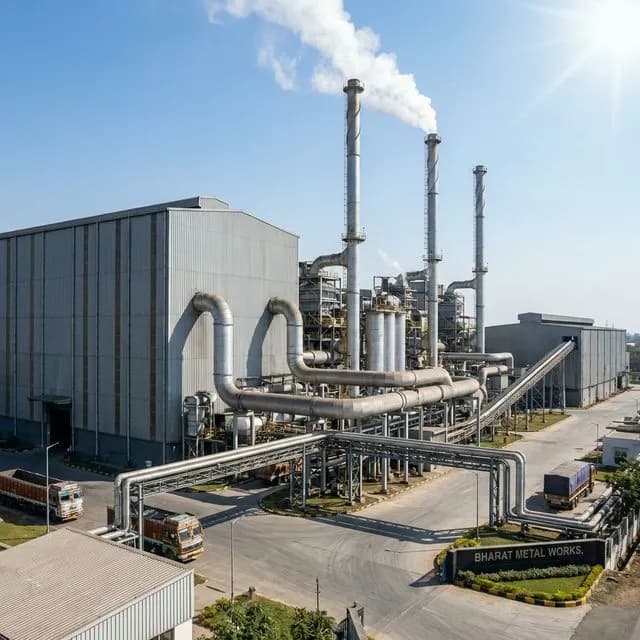 CBAM Strategy
Howrah Foundry Belt: Emission Accounting for West Bengal Iron Casters
Explore emission accounting for iron casters in Howrah, West Bengal, and learn how to navigate CBAM compliance effectively.
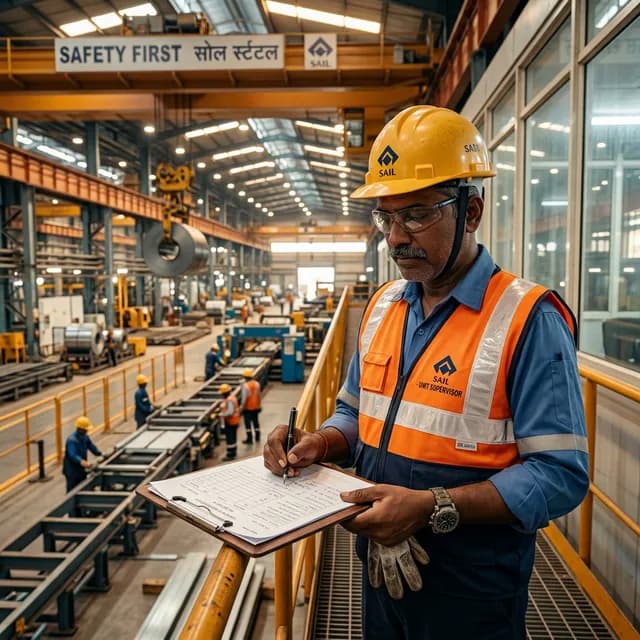 Technical Compliance
Sponge Iron (DRI) Manufacturing: CBAM Emission Factor Calculation
Learn how to calculate CBAM emission factors for Sponge Iron manufacturing to ensure compliance with EU regulations.
CBAM StrategySolar and Captive Renewable Power: How They Lower Your CBAM Emission Factor
Indian exporters: Learn how investing in solar and captive renewable power directly reduces your CBAM carbon footprint and costs. Get practical guidance on calculating emission factors and leveraging renewables for CBAM compliance with CarbonSettle.