CBAM for Indian auto-component exporters — handled. Free this quarter.
Forged, machined, cast or stamped — if your parts reach the EU as steel or aluminium articles, they are CBAM goods, and your OEM and Tier-1 buyers now demand verified emission data with every RFQ. This quarter, CarbonSettle does your entire automotive CBAM for you, free — a dedicated expert and our AI turn your plant data into a buyer-ready report, cutting CBAM cost by up to 40% versus EU defaults. The report is yours to keep.
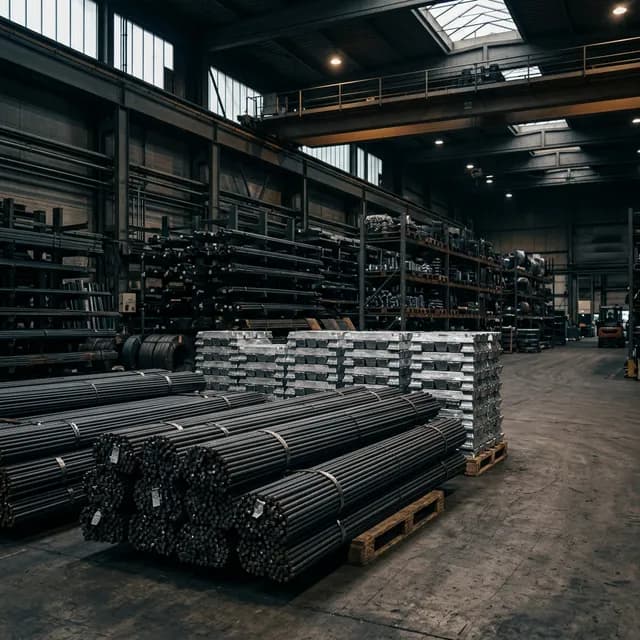
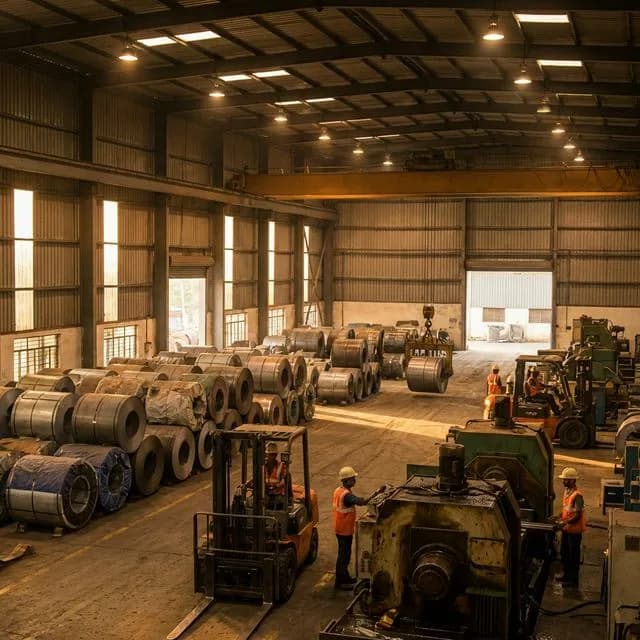
CBAM doesn't ask what your part does. It asks what it's made of.
Finished vehicles are outside CBAM. But the components India actually exports — forged crankshafts and gears (CN 7326), fasteners (7318), iron castings (7325), steel tubes (7304–7306), aluminium extrusions and die-castings (7604, 7616) — clear EU customs as articles of steel or aluminium, and every one of them is a CBAM good from January 2026.
That's why German, Italian and French OEMs and Tier-1s now put embedded-emission data next to price and PPAP in the RFQ. Their declarant pays the CBAM bill — on your numbers if you have verified actuals, on inflated EU defaults if you don't. New to CBAM? Start with our complete India guide or talk to us about your part families.
Eight automotive product groups covered by CBAM
Check the CN code on your EU export invoice. If it sits in any of these groups, CBAM compliance is mandatory from January 2026 — whatever vehicle the part ends up in.
| CN code | Product category | Risk |
|---|---|---|
| 7318 | Fasteners — Screws, Bolts, Nuts, Studs | High |
| 7326 | Other Articles of Iron/Steel — Forged & Machined Parts | Very High |
| 7325 | Cast Articles of Iron or Steel | High |
| 7304–7306 | Steel Tubes & Pipes | High |
| 7228 | Alloy Steel Bars & Rods (Forging Stock) | Medium |
| 7208–7212 | Flat-Rolled Steel for Stampings | Medium |
| 7604 | Aluminium Bars, Rods & Profiles (Extrusions) | High |
| 7616 | Other Articles of Aluminium — Castings & Machined Parts | Very High |
Forged, machined, cast or stamped — your process decides your bill.
Embedded emissions = your precursor metal + your own furnaces + your electricity. All values are tCO₂ per tonne of finished parts; savings are per 1,000 t at ~€80/t CO₂.
Representative midpoints. The red zone is the markup an EU default applies when no verified actual is filed — that gap is what your buyer overpays on every consignment, and what CarbonSettle removes. Aluminium castings show the widest gap: defaults assume primary metal even when your plant runs on scrap-based alloy.
| Process route | India typical | EU average | EU default value | Savings with actuals |
|---|---|---|---|---|
| Forged steel parts (crankshafts, gears, flanges) | 2.6–3.2 | 1.6–2.0 | 3.5+ | ₹40–64 lakh |
| Machined components (bar-stock turned parts) | 2.0–2.6 | 1.2–1.6 | 3.0+ | ₹36–56 lakh |
| Aluminium castings & extrusions (secondary alloy) | 1.5–3.0 | 0.8–1.6 | 5.0+ | ₹60–96 lakh |
| Stamped & sheet-metal parts, fasteners | 1.8–2.4 | 1.0–1.4 | 3.0+ | ₹32–48 lakh |
Why default values are dangerous for Indian component makers
EU default values assume the emission intensity of the worst producers — and the default-value markup escalates from 2026 to 2034. A machining plant on grid power with scrap-based aluminium castings can be billed as if it ran primary coal-smelted metal. That gap is pure overpayment for your EU buyer — and a pricing disadvantage against every competitor who files verified actuals. CarbonSettle calculates yours from your existing plant documents.
Indian auto-component clusters we serve
Forging belts, foundry towns and machining hubs — each with its own fuel mix, grid factor and captive-power story. We know the cluster before we walk in.
Faridabad–Gurugram (NCR)
Forgings, machined parts, sheet-metal
India's densest auto-component belt — forging and machining units supplying German and French Tier-1s
Very High riskRajkot
Castings, forgings, fasteners
Foundry and forging cluster with deep EU order books — brake parts, housings, machined castings
Very High riskChennai–Oragadam
Machined & precision components
OEM-anchored cluster exporting powertrain and chassis components to EU vehicle programmes
High riskPune–Chakan
Forgings, aluminium die-casting
Large forgers and die-casters serving European OEMs — grid plus captive power mixes vary widely
High riskLudhiana
Fasteners, cold-forged parts
Fastener capital of India — CN 7318 shipments to the EU are CBAM goods on every invoice
High riskBelagavi–Kolhapur
Iron foundries, machined castings
Ductile and grey iron castings for EU commercial-vehicle and tractor programmes
Medium riskFive steps. One named expert. Buyer-ready output.
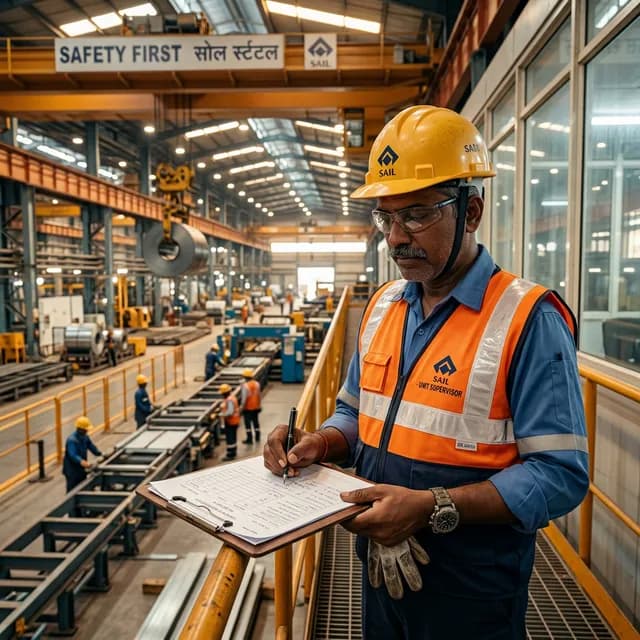
You share your plant documents. We deliver an EU-ready, declarant-friendly report — pre-verified by a top-3 EU auditor — that answers your OEM's RFQ data demand.
- 01
Plant boundary mapping
We map your component process — forging hammers and presses, heat-treatment furnaces, melting and holding furnaces, CNC machining lines, press shops — to identify every emission source per CBAM methodology.
- 02
Data collection from your existing documents
Electricity bills (grid or captive), furnace-oil and natural-gas invoices, LPG/propane for heat treatment, monthly production logs by part family. No new systems for your team to learn.
- 03
Emission calculation, per CN code
Scope 1 (fuel combustion in forging, heat treatment, melting) and Scope 2 (grid electricity for machining and presses) computed with EU-approved methodology — allocated correctly across your part families and CN codes.
- 04
Precursor steel and aluminium chase
Your forging stock, bar stock, sheet and alloy ingots carry precursor emissions. We chase your steel and aluminium suppliers for their emission data — automated follow-ups until every input line is closed.
- 05
EU XML, declarant handoff, buyer replies
We generate the EU CBAM XML, coordinate with your OEM or Tier-1 buyer's Authorised Declarant, prep audit documents, and handle verifier queries. Your RFQ pipeline and buyer relationship stay protected.

What will CBAM cost your shipments?
Pick your product, drop your number — a named CBAM expert sends your estimate on WhatsApp the same day, in your language. No forms, no software, no obligation.
Automotive CBAM, in plain English
Are automotive components covered under CBAM?
▼
Which CN codes matter most for Indian auto-component exporters?
▼
My EU buyer is demanding CBAM emission data with the RFQ. What exactly do they need?
▼
How are embedded emissions calculated for a forged or machined part?
▼
What does CBAM actually cost an Indian auto-component exporter from 2026?
▼
Does CBAM apply if I sell through a Tier-1, trader or my buyer’s Indian purchasing office?
▼
Your entire automotive CBAM, done for you. Free.
Forge shop, foundry, machining plant or fastener maker — this quarter we handle your full CBAM for free. A dedicated expert plus our AI, your numbers, a buyer-ready report your EU OEM or Tier-1 can file on day one. No commitment beyond this quarter.