
Key Takeaways
- Understanding CBAM compliance is crucial for Indian exporters dealing with complex products under CN Code 7326.
- Emission factors and calculations are key components of compliance, impacting costs significantly.
- Engaging a dedicated CBAM compliance service can simplify the process and save costs.
- The definitive phase starting January 2026 will bring stricter regulations and financial obligations.
- CarbonSettle offers comprehensive support, from data collection to EU reporting.
What is CBAM and Why is it Important for Indian Exporters?
The Carbon Border Adjustment Mechanism (CBAM) is a regulatory framework established by the European Union (EU) aimed at ensuring that imported goods meet the same carbon emission standards as those produced within the EU. For Indian exporters dealing with complex products categorized under CN Code 7326, which includes various types of metal products, CBAM compliance is not just a regulatory requirement; it is a critical factor for maintaining market access and competitiveness in Europe.
As of now, the EU is focusing on carbon-intensive sectors, and Indian MSMEs (Micro, Small, and Medium Enterprises) must be prepared to navigate these regulations. Non-compliance can lead to significant financial penalties, estimated at €30 to €50 per ton of CO2 emissions for products that do not meet the EU’s carbon standards. For Indian exporters, this translates to potential costs ranging from ₹2,600 to ₹4,300 per ton, which can severely impact profit margins.
Understanding CN Code 7326 and Its Implications
CN Code 7326 pertains to various metal products, including those made from iron or steel, such as articles of iron or steel, and other complex metal components. Understanding the specifics of this CN code is vital for Indian exporters, as it dictates the compliance requirements under CBAM.
What are the Key Compliance Requirements for CN Code 7326?
-
Emission Calculations: Exporters must calculate the carbon emissions associated with the production of their goods. This includes emissions from raw material extraction, manufacturing processes, and transportation.
-
Data Collection: Accurate data collection is essential. This involves gathering information on energy consumption, production processes, and supplier emissions. For instance, if an Indian manufacturer in Pune produces complex metal components, they must track energy usage from local utilities like MSEDCL.
-
HS/CN Code Verification: Ensure that products are correctly classified under CN Code 7326. Misclassification can lead to compliance issues and potential penalties.
-
Reporting Obligations: Exporters must prepare and submit detailed reports to EU authorities, demonstrating compliance with CBAM regulations. This involves providing emissions data and justifying any discrepancies.
See what CBAM will cost your buyer
Free 30-second check — pick your product and tonnage, get your buyer-side savings number.
How to Calculate Emissions for CN Code 7326 Products
Calculating emissions for complex products under CN Code 7326 involves several steps:
-
Identify Emission Factors: The EU provides specific emission factors for different materials. For example, steel production has an average emission factor of approximately 1.8 tons of CO2 per ton of steel produced.
-
Gather Production Data: Collect data on the amount of each material used in production, energy consumption, and any other relevant factors. For instance, if a factory in Jamshedpur produces 1,000 tons of steel components, they need to gather data on energy usage from Tata Power.
-
Calculate Total Emissions: Multiply the amount of material produced by the respective emission factors. For instance, if 1,000 tons of steel are produced, the total emissions would be 1,800 tons of CO2.
-
Account for Transportation Emissions: Include emissions from transporting raw materials and finished products. This can be calculated based on distance and mode of transport.
-
Document Everything: Maintain thorough documentation of all calculations and data sources. This will be essential for reporting and audits.
Engaging Suppliers for Accurate Data
One of the challenges for Indian exporters is obtaining accurate emissions data from suppliers. This is crucial for compliance with CBAM regulations. Here are some steps to streamline this process:
-
Supplier Engagement: Proactively communicate with suppliers to obtain necessary emissions data. This may include energy consumption details, production methods, and any certifications they hold.
-
Standardized Data Requests: Create a standardized data request form to simplify the process for suppliers. This should outline the specific data needed and the format in which it should be provided.
-
Regular Updates: Establish a routine for updating supplier data to ensure ongoing compliance. This could be quarterly or biannual reviews to align with production cycles.
-
Incentivize Transparency: Consider providing incentives for suppliers who offer complete and accurate emissions data. This can foster a culture of transparency and compliance throughout the supply chain.
2026 Regulatory Impact for Indian Exporters
Starting January 2026, the definitive phase of CBAM will come into effect, imposing stricter regulations and financial obligations on Indian exporters. This phase will require:
-
Full Compliance: Exporters will need to demonstrate full compliance with EU carbon standards, with no allowances for discrepancies.
-
Increased Penalties: The financial penalties for non-compliance are expected to rise, potentially reaching €50 per ton of CO2 emissions. This means that for a company exporting 1,000 tons of steel with emissions above the allowable limit, penalties could exceed ₹4,300,000.
-
Higher Reporting Standards: The EU will likely implement more rigorous reporting standards, requiring detailed documentation of emissions and production processes.
-
Market Access: Non-compliant products may face restrictions or bans from entering the EU market, severely impacting Indian exporters' revenue.
How to Prepare for CBAM Compliance
To prepare for CBAM compliance, Indian exporters should take the following actionable steps:
-
Conduct a Compliance Audit: Assess current production processes and emissions data to identify gaps in compliance.
-
Invest in Training: Educate staff on CBAM regulations and compliance requirements to ensure everyone is aligned with the new standards.
-
Engage a CBAM Compliance Partner: Partnering with a dedicated CBAM compliance service can alleviate the burden of compliance. This allows manufacturers to focus on production while experts handle data collection, emission calculations, and reporting.
-
Monitor Regulatory Changes: Stay informed about any changes to EU regulations that may impact CBAM compliance. This can be done through industry associations or regulatory bodies.
How CarbonSettle Can Help
Navigating CBAM compliance can be overwhelming for Indian exporters, especially those dealing with complex products under CN Code 7326. CarbonSettle is India's #1 end-to-end CBAM compliance service, dedicated to taking the entire CBAM headache away. We handle everything from collecting your factory data—such as electricity bills, fuel invoices, and production logs—to generating EU-ready verified reports and coordinating with your EU importer.
With CarbonSettle, you can save up to 40% on CBAM tax versus EU default values, ensuring that your business remains competitive in the EU market. Our dedicated CBAM team provides complete hand-holding throughout the compliance process, allowing you to focus on what you do best—manufacturing.
For a seamless experience in managing your CBAM compliance, contact CarbonSettle for a free CBAM assessment today.
Frequently asked questions
What are the consequences of non-compliance with CBAM for Indian exporters?
How can Indian exporters calculate their emissions for CBAM compliance?
What steps should Indian exporters take to prepare for the definitive phase of CBAM in 2026?
Why is engaging a CBAM compliance service beneficial for Indian MSMEs?
How does CarbonSettle support Indian exporters in CBAM compliance?
Compliance disclaimer
Strategies described here are for educational purposes. CBAM regulations (EU 2023/956) evolve quarterly — always verify with your accredited verifier before filing definitive reports.
We’ll do your entire CBAM quarter — ₹0.
A dedicated CBAM expert plus our AI do the whole April–June 2026 report end-to-end: your factory data in, verified actual emissions out — so your buyer pays your real number, not the inflated EU default. The report is yours to keep.
Start your report by 30 September 2026 to claim the free quarter.
Bills, logs, photos — one afternoon.
Verified actuals, EU XML, audit standard.
Yours to keep. ₹0 this quarter.
Prefer to talk? +91 76250 95885 · or run a 30-second savings check first
The complete CBAM guide for Indian exporters
The full compliance roadmap — CN codes, emissions, deadlines, penalties and how to keep your EU orders.
More CBAM guidance for Indian exporters
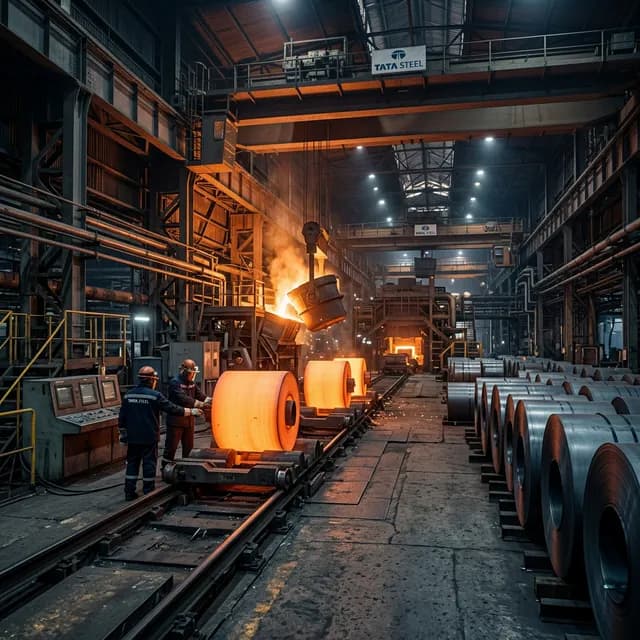 Technical Compliance
Spring Steel Products: CN Code Mapping and CBAM Compliance Checklist
Essential guide for CBAM compliance and CN code mapping for spring steel products.
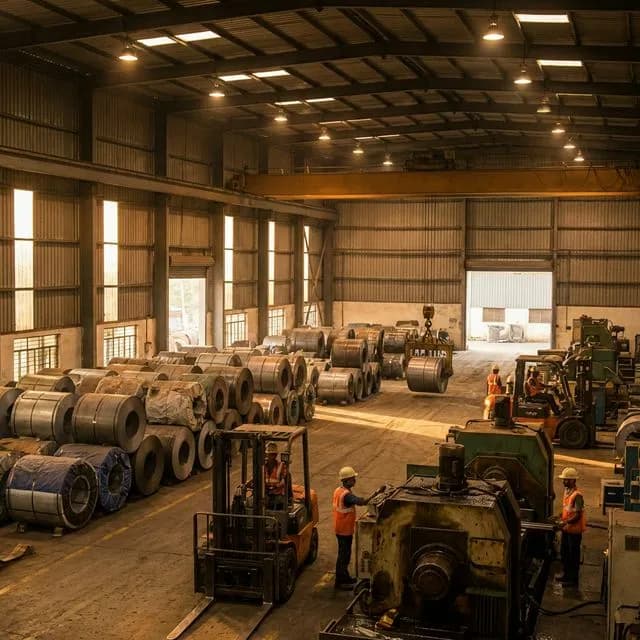 CBAM Strategy
CBAM for Export Clusters: A Shared-Compliance Model for Small Indian Manufacturers
Indian MSMEs in export clusters face CBAM challenges. Learn how shared-compliance models and CarbonSettle's end-to-end service can simplify EU carbon tax reporting for steel, cement, and aluminum exporters.
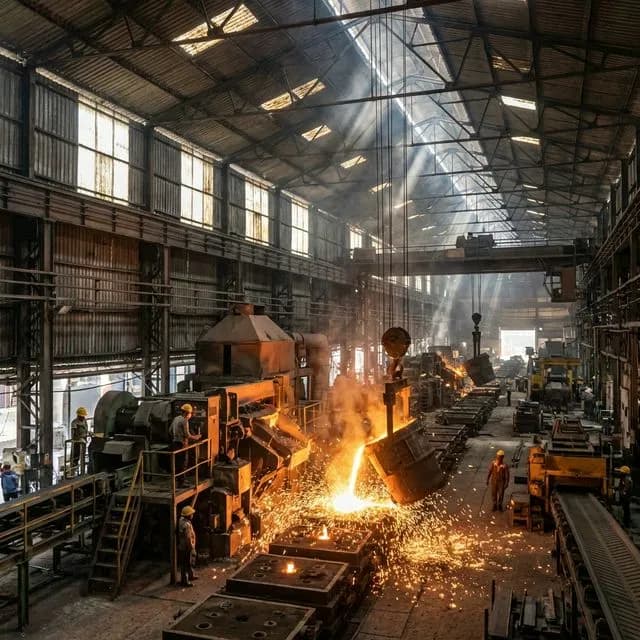 CBAM Strategy
Turning CBAM Compliance Into a Premium Pricing Story for EU Buyers
Indian exporters can leverage CBAM compliance to justify premium pricing in the EU. Learn how to transform carbon data into a competitive advantage with CarbonSettle.