
Key Takeaways
- Indian exporters can challenge high CBAM penalties under specific conditions.
- The CBAM regulation allows for recalculations based on verified emissions data.
- Understanding emission factors and compliance reporting is crucial.
- Engaging with a dedicated CBAM compliance service can optimize your challenge process.
- Legal recourse options may be available for exporters facing unjust penalties.
Introduction
The Carbon Border Adjustment Mechanism (CBAM), outlined in Regulation (EU) 2023/956, is poised to impact Indian exporters significantly, especially those in high-emission sectors like steel, cement, and aluminum. As Indian manufacturers navigate this new regulatory landscape, they may encounter penalties that seem disproportionately high. This article aims to provide practical guidance on how Indian exporters can challenge these penalties effectively, ensuring that they are not unduly burdened by the EU’s carbon pricing policies.
Understanding CBAM and Its Penalties
What is CBAM?
The Carbon Border Adjustment Mechanism is designed to level the playing field between EU manufacturers and foreign producers by imposing a carbon cost on imported goods. This regulation targets sectors with high carbon emissions, including steel, cement, aluminum, fertilizers, and hydrogen. For Indian exporters, this means they must be aware of the carbon emissions associated with their products and the potential costs involved.
How are CBAM Penalties Calculated?
Penalties under CBAM are determined based on the difference between the carbon price in the EU and the carbon emissions reported by the exporter. If an Indian exporter fails to accurately report their emissions or if their emissions are deemed excessively high, they may face significant penalties. For example, if the EU carbon price is €50 (approximately ₹4,500) per ton and the reported emissions exceed the benchmark emissions factor, the exporter may incur additional costs.
See what CBAM will cost your buyer
Free 30-second check — pick your product and tonnage, get your buyer-side savings number.
Grounds for Challenging CBAM Penalties
How Can Indian Exporters Challenge High CBAM Penalties?
Indian exporters can challenge high CBAM penalties based on several grounds:
-
Discrepancies in Emission Data: If the exporter believes that the emissions data reported by the EU is incorrect or inflated, they can request a review. This involves providing evidence that demonstrates their actual emissions are lower than reported.
-
Verification Issues: If the emissions data was not verified by an accredited third-party verifier, exporters can contest the penalties. Proper verification is essential, and any lapses in this process can be grounds for appeal.
-
Benchmarking Errors: The EU sets benchmark emissions factors for various industries. If an Indian exporter can demonstrate that their operations are more efficient than the benchmark, they may argue for a recalibration of their penalties.
-
Regulatory Compliance: Exporters who have followed all regulatory requirements and can provide proof of compliance may also have grounds to challenge penalties.
What Evidence is Required?
To successfully challenge a CBAM penalty, Indian exporters must collect and present substantial evidence, including:
- Detailed emissions reports from their production processes.
- Third-party verification documents.
- Comparisons with EU benchmarks.
- Documentation of compliance with all relevant regulations.
Steps to Prepare for a Challenge
What Steps Should Indian Exporters Take to Prepare for a CBAM Penalty Challenge?
-
Data Collection: Gather all relevant data related to emissions, production processes, and compliance. This includes electricity bills from utilities like MSEDCL or UGVCL, fuel invoices, and production logs.
-
Engage a CBAM Compliance Partner: Working with a dedicated CBAM compliance service can streamline the process. Experts can help collect data, verify emissions, and prepare necessary documentation for the challenge.
-
Review Emission Factors: Understand the emission factors applicable to your products and compare them with the benchmarks set by the EU. This is crucial for establishing a case for a lower penalty.
-
Documentation: Ensure all documentation is complete and accurate, as discrepancies can weaken your challenge.
-
Legal Consultation: Consult with legal experts familiar with EU regulations to explore potential legal avenues for contesting penalties.
2026 Regulatory Impact for Indian Exporters
What Will Change in 2026?
Starting January 2026, the definitive phase of CBAM will be implemented, meaning that Indian exporters will face stricter compliance requirements and potentially higher penalties. This phase will require:
- Full carbon pricing for imported goods.
- More rigorous reporting and verification processes.
As a result, Indian exporters must prepare for a more complex compliance landscape. Engaging with a CBAM compliance service early can help mitigate the impact of these changes.
The Role of CBAM Compliance Services
Why Should Indian Exporters Consider CBAM Compliance Services?
Navigating the complexities of CBAM can be daunting for Indian exporters. A dedicated CBAM compliance service can:
- Provide end-to-end support, from data collection to report generation.
- Help optimize emissions reporting to minimize penalties.
- Ensure compliance with EU regulations, reducing the risk of costly mistakes.
By partnering with a CBAM compliance service, Indian exporters can focus on their core operations while leaving the regulatory complexities to the experts.
How CarbonSettle Can Help
Why Choose CarbonSettle as Your CBAM Compliance Partner?
CarbonSettle is India's #1 end-to-end CBAM compliance service, providing comprehensive support for Indian exporters. We take your entire CBAM headache away by handling everything from collecting your factory data (electricity bills, fuel invoices, production logs) to generating EU-ready verified reports and coordinating with your EU importer. Our dedicated CBAM team ensures that you are compliant with all regulations, helping you save up to 40% on CBAM tax versus EU default values.
Don’t navigate the complexities of CBAM alone. Contact CarbonSettle for a free CBAM assessment today and let us help you successfully challenge any suspiciously high CBAM penalties.
Frequently asked questions
Can Indian exporters contest CBAM penalties?
What documentation is required to challenge a CBAM penalty?
How can a CBAM compliance service assist in the challenge process?
What are the potential penalties for non-compliance with CBAM?
What changes will occur in the definitive phase of CBAM in 2026?
Compliance disclaimer
Strategies described here are for educational purposes. CBAM regulations (EU 2023/956) evolve quarterly — always verify with your accredited verifier before filing definitive reports.
We’ll do your entire CBAM quarter — ₹0.
A dedicated CBAM expert plus our AI do the whole April–June 2026 report end-to-end: your factory data in, verified actual emissions out — so your buyer pays your real number, not the inflated EU default. The report is yours to keep.
Start your report by 30 September 2026 to claim the free quarter.
Bills, logs, photos — one afternoon.
Verified actuals, EU XML, audit standard.
Yours to keep. ₹0 this quarter.
Prefer to talk? +91 76250 95885 · or run a 30-second savings check first
The complete CBAM guide for Indian exporters
The full compliance roadmap — CN codes, emissions, deadlines, penalties and how to keep your EU orders.
More CBAM guidance for Indian exporters
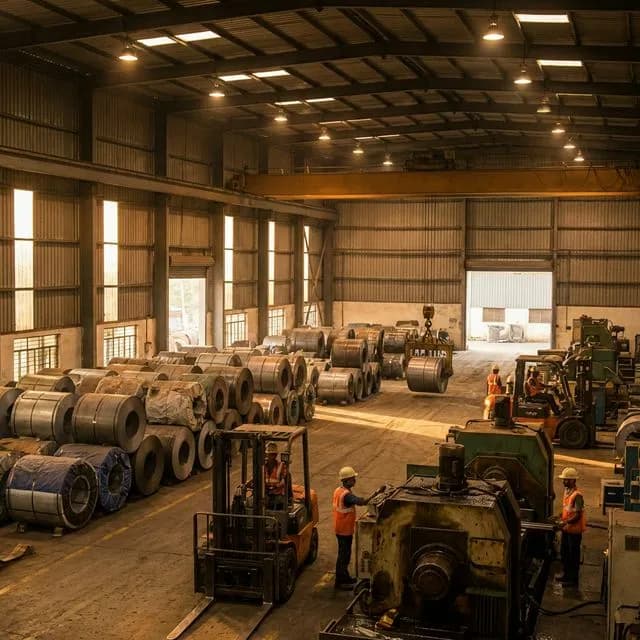 CBAM Strategy
CBAM for Export Clusters: A Shared-Compliance Model for Small Indian Manufacturers
Indian MSMEs in export clusters face CBAM challenges. Learn how shared-compliance models and CarbonSettle's end-to-end service can simplify EU carbon tax reporting for steel, cement, and aluminum exporters.
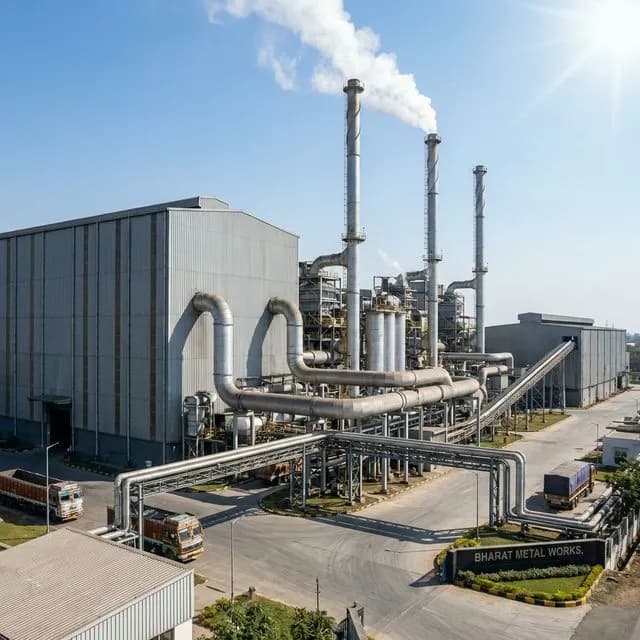 CBAM Strategy
CBAM for Indirect Exporters: When Your Buyer's Buyer Is in the EU
Indian MSMEs face CBAM even as indirect exporters. Learn how to navigate EU CBAM when your product reaches Europe via an intermediary. Get expert help from CarbonSettle.
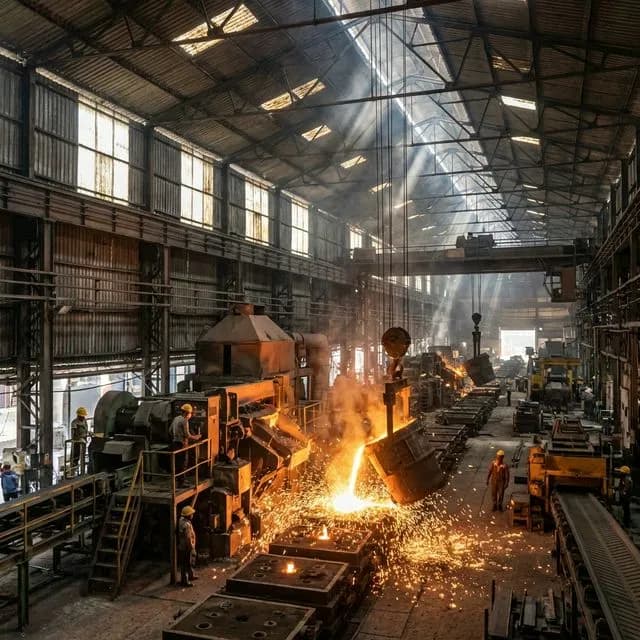 CBAM Strategy
Turning CBAM Compliance Into a Premium Pricing Story for EU Buyers
Indian exporters can leverage CBAM compliance to justify premium pricing in the EU. Learn how to transform carbon data into a competitive advantage with CarbonSettle.