
Key Takeaways
- Understanding CBAM: The Carbon Border Adjustment Mechanism (CBAM) is a pivotal regulation for Indian exporters aiming to penetrate the European market.
- Competitive Advantage: CBAM compliance can be marketed as a commitment to sustainability, attracting eco-conscious European buyers.
- Strategic Marketing: Use clear messaging, certifications, and partnerships to highlight your CBAM compliance.
- Cost Implications: Indian exporters can save up to 40% on CBAM taxes by accurately reporting emissions.
- End-to-End Support: Leverage services like CarbonSettle to manage compliance seamlessly, allowing you to focus on marketing.
What is CBAM and Why is it Important for Indian Exporters?
The Carbon Border Adjustment Mechanism (CBAM) is a regulatory framework implemented by the European Union (EU) to level the playing field for European manufacturers and imported goods. Starting January 2026, CBAM will impose a carbon tax on imports of certain goods, including steel, cement, aluminum, fertilizers, and hydrogen, based on their carbon emissions during production. For Indian exporters, understanding CBAM is crucial as it will directly impact their competitiveness in the European market.
Indian MSMEs, particularly in industrial hubs such as Ludhiana, Gujarat, Pune, and Jamshedpur, must prepare for these changes. The EU is moving towards a more sustainable economy, and compliance with CBAM can serve as a competitive advantage. By showcasing adherence to these regulations, Indian exporters can appeal to environmentally conscious buyers in Europe, thereby enhancing their marketability.
How to Position CBAM Compliance as a Competitive Advantage?
To effectively market CBAM compliance, Indian exporters should focus on several key strategies:
1. Highlight Sustainability Commitment
Emphasizing your commitment to sustainability can resonate well with European consumers. Highlight your efforts to reduce carbon emissions and comply with CBAM regulations in your marketing materials. This can include:
- Sustainability Reports: Publish annual sustainability reports showcasing your carbon footprint reduction efforts.
- Certifications: Obtain relevant certifications that validate your compliance with sustainability standards, such as ISO 14001.
2. Leverage Marketing Channels
Utilize various marketing channels to communicate your CBAM compliance effectively:
- Website and Social Media: Update your website and social media profiles to include information about your CBAM compliance. Use infographics to illustrate your sustainability journey.
- Trade Shows and Expos: Participate in international trade shows in Europe to showcase your compliant products. Engage with potential clients by presenting your commitment to sustainability.
3. Develop Strategic Partnerships
Form partnerships with organizations that promote sustainability. Collaborating with NGOs or sustainability-focused businesses can enhance your credibility and visibility in the European market.
- Joint Marketing Initiatives: Engage in joint marketing initiatives that highlight your shared commitment to sustainability.
- Networking Opportunities: Attend sustainability conferences and forums to network with potential partners and clients.
See what CBAM will cost your buyer
Free 30-second check — pick your product and tonnage, get your buyer-side savings number.
What Are the Cost Implications of CBAM Compliance?
Understanding the financial aspects of CBAM compliance is crucial for Indian exporters. The cost of compliance can vary based on several factors, including the emissions associated with your products and the accuracy of your reporting.
1. Potential Costs
- Carbon Tax: The CBAM tax will be calculated based on the carbon content of your products. For example, if your steel production emits 1.5 tons of CO2 per ton of steel, and the EU carbon price is €50 per ton, your potential tax liability could be €75 per ton of steel.
- Compliance Costs: Engaging a CBAM compliance service can incur costs, but these should be viewed as an investment. Services like CarbonSettle can help you save up to 40% on CBAM taxes by ensuring accurate emissions reporting.
2. Savings on CBAM Tax
By accurately calculating emissions and utilizing effective reporting strategies, Indian exporters can significantly reduce their tax liabilities. For example, if your production process is more efficient, leading to lower emissions, you can save substantially compared to the default EU values.
How to Implement Effective CBAM Reporting?
Effective CBAM reporting is essential for compliance and can also serve as a marketing tool. Here’s how Indian exporters can streamline their reporting process:
1. Data Collection
Start by collecting all relevant data, including:
- Electricity Bills: Gather utility bills from providers like MSEDCL, UGVCL, and TANGEDCO to understand your energy consumption.
- Fuel Invoices: Document all fuel purchases used in production to calculate emissions accurately.
- Production Logs: Keep detailed records of production volumes to correlate with emissions data.
2. Emission Factor Verification
Verify the emission factors applicable to your products. This involves understanding the carbon intensity of the inputs used in your manufacturing processes. Engage with a CBAM consultant in India to ensure accuracy.
3. EU XML Report Generation
Prepare EU-compliant XML reports detailing your emissions data. This step is crucial for demonstrating compliance and can be complex. Utilizing a dedicated CBAM compliance service can simplify this process.
2026 Regulatory Impact for Indian Exporters
As the definitive phase of CBAM begins in January 2026, Indian exporters must be prepared for stricter regulations and potential penalties for non-compliance. The financial implications could be significant.
1. Increased Scrutiny
EU authorities will likely increase scrutiny on imported goods, requiring more detailed emissions reporting. Non-compliance could lead to hefty fines, making it essential for Indian exporters to stay ahead.
2. Financial Obligations
Exporters must be ready to meet financial obligations associated with CBAM compliance. This includes paying the carbon tax and potentially facing penalties for inaccurate reporting.
3. Long-Term Sustainability Goals
The shift towards a carbon-neutral economy in Europe means that Indian exporters should also align their long-term sustainability goals with EU regulations. This alignment not only ensures compliance but can also enhance brand reputation.
How to Communicate Your CBAM Compliance to Customers?
Effectively communicating your CBAM compliance to customers is key to leveraging it as a competitive advantage. Here are some strategies:
1. Clear Messaging
Use clear and concise messaging to communicate your compliance status. Avoid jargon and ensure that your customers understand the significance of CBAM compliance.
2. Customer Education
Educate your customers about CBAM and its implications for the products they purchase. Provide resources such as FAQs, blog posts, or webinars that detail your compliance efforts.
3. Showcase Success Stories
Share success stories that demonstrate your commitment to sustainability and compliance. Highlight case studies where your efforts have led to reduced emissions or cost savings.
How CarbonSettle Can Help
CarbonSettle is India's #1 end-to-end CBAM compliance service that provides complete hand-holding—from collecting your factory data (electricity bills, fuel invoices, production logs) to generating EU-ready verified reports and coordinating with your EU importer.
By partnering with CarbonSettle, Indian exporters can alleviate the complexities of CBAM compliance. Our dedicated team ensures that you save up to 40% on CBAM tax versus EU default values, allowing you to focus on marketing your products effectively.
Frequently asked questions
What is CBAM and how does it affect Indian exporters?
How can Indian exporters leverage CBAM compliance in marketing?
What are the potential costs associated with CBAM compliance?
How can CarbonSettle assist with CBAM compliance?
What steps should Indian exporters take to prepare for CBAM reporting?
Compliance disclaimer
Strategies described here are for educational purposes. CBAM regulations (EU 2023/956) evolve quarterly — always verify with your accredited verifier before filing definitive reports.
We’ll do your entire CBAM quarter — ₹0.
A dedicated CBAM expert plus our AI do the whole April–June 2026 report end-to-end: your factory data in, verified actual emissions out — so your buyer pays your real number, not the inflated EU default. The report is yours to keep.
Start your report by 30 September 2026 to claim the free quarter.
Bills, logs, photos — one afternoon.
Verified actuals, EU XML, audit standard.
Yours to keep. ₹0 this quarter.
Prefer to talk? +91 76250 95885 · or run a 30-second savings check first
The complete CBAM guide for Indian exporters
The full compliance roadmap — CN codes, emissions, deadlines, penalties and how to keep your EU orders.
More CBAM guidance for Indian exporters
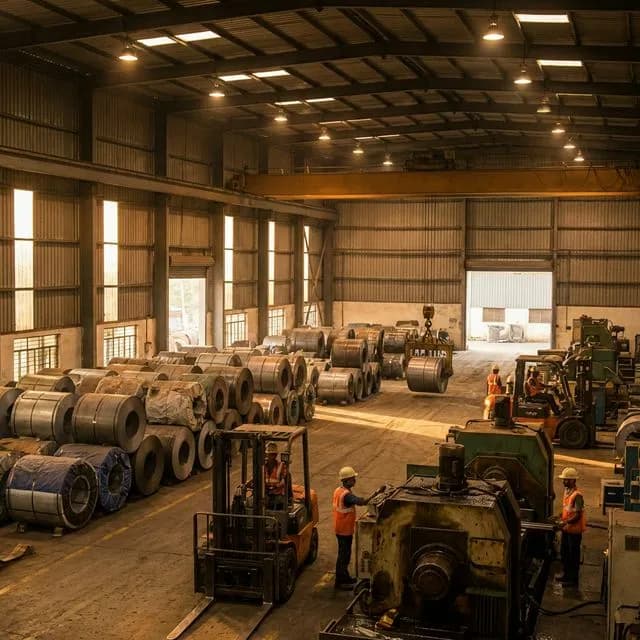 CBAM Strategy
CBAM for Export Clusters: A Shared-Compliance Model for Small Indian Manufacturers
Indian MSMEs in export clusters face CBAM challenges. Learn how shared-compliance models and CarbonSettle's end-to-end service can simplify EU carbon tax reporting for steel, cement, and aluminum exporters.
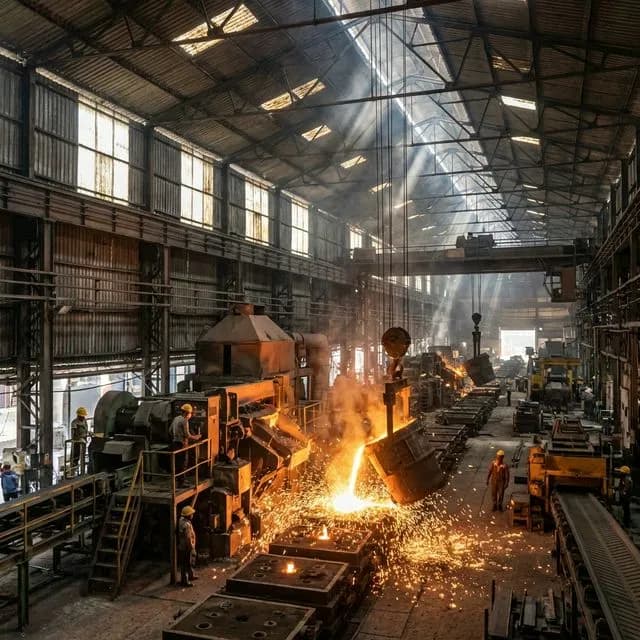 CBAM Strategy
Turning CBAM Compliance Into a Premium Pricing Story for EU Buyers
Indian exporters can leverage CBAM compliance to justify premium pricing in the EU. Learn how to transform carbon data into a competitive advantage with CarbonSettle.
 CBAM Strategy
Your First 30 Days of CBAM Compliance: An Indian Exporter Onboarding Plan
A comprehensive onboarding plan for Indian exporters to navigate CBAM compliance effectively in the first 30 days.