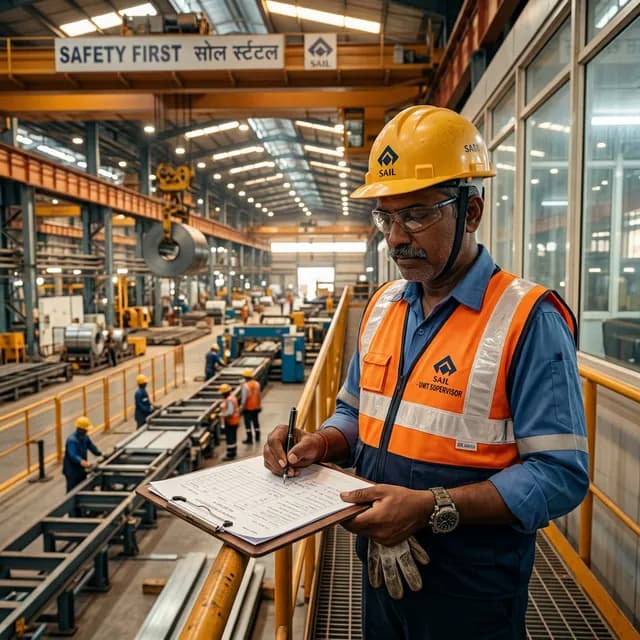
Navigating the EU CBAM: A Risk Matrix for Indian Exporters
The European Union's Carbon Border Adjustment Mechanism (CBAM), established by Regulation (EU) 2023/956, represents a paradigm shift in global trade, particularly impacting Indian exporters. For Indian MSMEs and larger manufacturers in sectors like steel, cement, aluminium, fertilisers, and hydrogen, understanding and mitigating CBAM non-compliance risks is not just about avoiding penalties; it's about maintaining market access and competitive advantage in the lucrative European market. This comprehensive guide provides Indian export managers and compliance officers with a practical risk matrix, detailing potential pitfalls and offering actionable strategies to ensure seamless CBAM compliance.
The transitional phase of CBAM, which began on October 1, 2023, requires Indian exporters to meticulously collect and report embedded emissions data. While no financial levy is imposed during this phase, the definitive phase starting January 1, 2026, will introduce significant financial obligations, making early preparation crucial. Ignoring CBAM now is akin to ignoring a ticking financial time bomb for your European export business.
Key Takeaways
- CBAM is Non-Negotiable: The EU CBAM is a mandatory regulation for specified goods imported into the EU, impacting Indian exporters directly.
- Transitional Phase (Oct 2023 - Dec 2025): Focus on data collection and reporting. Non-compliance here incurs administrative penalties, not financial levies.
- Definitive Phase (Jan 2026 onwards): Financial obligations begin. Importers will purchase CBAM certificates based on reported emissions, making accurate data critical for cost savings.
- High-Risk Areas for Indian Exporters: Data inaccuracy, lack of transparency from suppliers, incorrect product classification, and insufficient internal processes are major pitfalls.
- Cost Implications: Default values for emissions can lead to significantly higher CBAM tax (potentially 20-40% more) compared to actual, verified emissions.
- Proactive Strategy is Key: Indian MSMEs must start preparing now by assessing their supply chains, understanding emission methodologies, and establishing robust data management systems.
- CarbonSettle as Your Partner: Leverage end-to-end CBAM compliance services to offload the entire burden, ensuring accuracy, timely reporting, and cost optimization.
What is the EU CBAM and Why Does it Impact Indian Exporters?
The EU CBAM is a landmark climate policy designed to prevent "carbon leakage" – where EU companies might move carbon-intensive production outside the EU to countries with less stringent climate policies, or where EU imports might displace less carbon-intensive EU products. It effectively places a carbon price on certain goods imported into the EU, mirroring the carbon price paid by EU producers under the EU Emissions Trading System (ETS).
For Indian exporters, this means that if your factory in Ludhiana, Pune, or Jamshedpur produces steel, cement, aluminium, fertilisers, or hydrogen for the European market, the carbon emissions embedded in your products will be assessed and, eventually, taxed. This isn't just about environmental responsibility; it's about the financial viability of your exports. Indian manufacturers, accustomed to different regulatory frameworks, must now adapt to stringent EU reporting and verification standards. The EU is a critical market for many Indian industries, making CBAM compliance a strategic imperative.
See what CBAM will cost your buyer
Free 30-second check — pick your product and tonnage, get your buyer-side savings number.
Understanding the CBAM Non-Compliance Risk Matrix for Indian Exporters
A risk matrix helps Indian export managers systematically identify, evaluate, and prioritise potential CBAM non-compliance issues. We'll categorise risks by their likelihood and impact, providing concrete examples relevant to the Indian context.
1. Data Inaccuracy & Insufficiency (High Likelihood, High Impact)
This is arguably the most significant risk for Indian exporters. The CBAM requires precise quantification of direct and indirect emissions embedded in your products.
- Risk Description:
- Incomplete or Missing Production Data: Lack of records for raw material consumption, energy usage (electricity, natural gas, coal), and production volumes at each stage. Many Indian MSMEs, especially in traditional sectors, might not have sophisticated ERP systems tracking this granular data.
- Incorrect Emission Factors: Using generic or outdated emission factors for electricity (e.g., from MSEDCL, UGVCL, TANGEDCO grids) or fuel consumption instead of specific, verified data.
- Supplier Data Gaps: Inability to obtain accurate emissions data from upstream Indian suppliers of raw materials (e.g., iron ore for steel, limestone for cement).
- Calculation Errors: Mistakes in applying the complex CBAM methodologies for calculating embedded emissions.
- Indian Context Example: A steel rolling mill in Gujarat might accurately track its own electricity consumption, but struggle to obtain verified emissions data from its supplier of semi-finished billets, or use an average national grid emission factor instead of a specific, regional one for its electricity.
- Consequences (Transitional Phase): Rejection of CBAM reports, requests for corrections, and administrative penalties (fines ranging from €10 to €50 per tonne of unreported emissions). For a medium-sized exporter, this could quickly accumulate to ₹50,000 to ₹2.5 Lakhs per report.
- Consequences (Definitive Phase): Higher CBAM tax burden due to reliance on EU default values. If your actual emissions are lower than the default, you pay more. This could mean paying 20-40% more in CBAM tax. For example, if your actual emissions are 1.5 tonnes CO2e/tonne of steel, but the EU default is 2.0 tonnes CO2e/tonne, you'd pay tax on an extra 0.5 tonnes CO2e/tonne of steel. At €80/tonne CO2e, this is an additional €40/tonne of steel, directly impacting your profitability.
- Mitigation Strategy:
- Establish Robust Data Collection Systems: Implement internal processes to track all relevant input materials, energy consumption (electricity bills, fuel invoices), and production output.
- Engage with Suppliers: Proactively communicate CBAM requirements to your Indian raw material suppliers. Encourage them to provide their own emissions data or assist them in calculating it.
- Utilise Expert Services: Partner with an end-to-end CBAM compliance service like CarbonSettle. We specialize in collecting your factory data (electricity bills, fuel invoices, production logs), calculating emissions, and ensuring accuracy. This is a core part of our end-to-end CBAM compliance services.
2. Incorrect Product Classification (Medium Likelihood, High Impact)
Misclassifying your exported goods under the Harmonised System (HS) or Combined Nomenclature (CN) codes can lead to significant issues.
- Risk Description:
- Misidentification of CBAM Goods: Not all products within the covered sectors are subject to CBAM. Incorrectly identifying whether a specific product falls under the regulation.
- Incorrect CN Code Assignment: Using the wrong 8-digit CN code, which directly determines if a product is CBAM-relevant and which specific reporting rules apply.
- Indian Context Example: An aluminium manufacturer in Belagavi might export specific alloys or semi-finished products. If they incorrectly classify an item that should be under CBAM as non-CBAM, or vice-versa, it creates reporting discrepancies.
- Consequences (Transitional Phase): Missed reporting obligations, leading to administrative penalties. Or, conversely, over-reporting for non-CBAM goods, wasting resources.
- Consequences (Definitive Phase): Significant financial penalties for undeclared CBAM goods, or incorrect calculation of CBAM certificates required.
- Mitigation Strategy:
- Thorough HS/CN Code Review: Systematically review the HS/CN codes of all products exported to the EU against the Annex I of Regulation (EU) 2023/956.
- Consult Experts: Leverage CBAM consultants in India who are familiar with product classification. CarbonSettle maintains a comprehensive CBAM CN code directory and can assist with accurate classification.
3. Late or Non-Submission of CBAM Reports (Medium Likelihood, High Impact)
Meeting reporting deadlines is non-negotiable.
- Risk Description:
- Lack of Awareness: Indian exporters, especially MSMEs, might not be fully aware of the reporting deadlines (e.g., quarterly submissions).
- Internal Process Delays: Inefficient internal processes for data collection, calculation, and report generation leading to missed deadlines.
- Technical Issues: Problems with accessing or submitting reports through the EU's CBAM Transitional Registry.
- Indian Context Example: A small fertiliser producer in Gujarat, focused on production and logistics, might overlook the quarterly reporting requirements amidst their daily operations.
- Consequences (Transitional Phase): Administrative penalties (fines from €10 to €50 per tonne of unreported emissions). Repeated non-submission could lead to stricter scrutiny.
- Consequences (Definitive Phase): Inability of the EU importer to purchase CBAM certificates, potentially leading to rejection of goods at the border or severe penalties for the importer, which will then be passed back to the Indian exporter.
- Mitigation Strategy:
- Calendar Management: Establish a clear internal calendar for CBAM reporting deadlines.
- Dedicated Resources: Assign responsibility for CBAM reporting to a specific individual or team.
- Outsource Reporting: Engage a CBAM compliance service India like CarbonSettle to manage the entire reporting process, from data collection to report generation and submission, ensuring timely compliance.
4. Insufficient Documentation & Audit Preparedness (Medium Likelihood, Medium Impact)
All reported data must be verifiable.
- Risk Description:
- Lack of Traceability: Inability to trace reported emissions back to source data (e.g., electricity bills, fuel purchase records, production logs).
- Unverified Data: Using estimated or unverified data without proper justification or methodology.
- Poor Record Keeping: Disorganised or incomplete documentation that cannot withstand an audit.
- Indian Context Example: An aluminium smelter in Odisha might have electricity bills, but lack clear documentation linking specific energy consumption to the production of CBAM-relevant goods versus other products.
- Consequences (Transitional Phase): Requests for additional information, delays in report acceptance, and potential administrative penalties if documentation is deemed insufficient.
- Consequences (Definitive Phase): Rejection of reported emissions, forcing reliance on higher EU default values, leading to increased CBAM tax. Potential for fines if deliberate misrepresentation is found.
- Mitigation Strategy:
- Document Everything: Maintain meticulous records of all data used for emission calculations, including invoices, production records, and methodology applied.
- Internal Audits: Conduct periodic internal checks to ensure data accuracy and documentation completeness.
- Prepare for Verification: Understand that reported emissions will eventually need to be verified by an accredited verifier. CarbonSettle assists with audit preparation and coordination with verifiers.
5. Lack of Communication with EU Importers (Low Likelihood, High Impact)
While the reporting obligation currently rests with the Indian exporter (via the EU importer), the financial liability in the definitive phase is with the EU importer.
- Risk Description:
- Misunderstanding Roles: Indian exporters not fully grasping that their data directly impacts their EU importer's financial burden.
- Poor Information Flow: Inadequate communication channels or protocols for sharing emissions data with EU importers.
- Indian Context Example: An Indian steel exporter might submit their CBAM report, but fail to communicate the details or provide necessary supporting documentation to their EU importer, causing confusion and delays at the EU end.
- Consequences (Transitional Phase): Strain on business relationships, delays in customs clearance.
- Consequences (Definitive Phase): EU importer facing penalties or higher CBAM costs due to lack of accurate data from India, potentially leading to them seeking alternative, CBAM-compliant suppliers. This is a direct threat to your market access.
- Mitigation Strategy:
- Proactive Engagement: Establish clear communication channels with your EU importers.
- Share Information: Provide your EU importers with timely and accurate emissions data and reports.
- Collaborate on Strategy: Work together to optimise CBAM compliance and minimise costs. CarbonSettle provides a seamless handoff of verified data and reports to your EU importer.
2026 Regulatory Impact for Indian Exporters: The Definitive Phase
The transitional phase, which runs until December 31, 2025, is primarily about learning and reporting. However, the true financial impact of CBAM will be felt from January 1, 2026, when the definitive phase commences. This is where the "carbon tax" aspect of CBAM truly materialises.
- Financial Obligation: From 2026, EU importers will be required to purchase CBAM certificates corresponding to the embedded emissions of the goods they import. The price of these certificates will be linked to the average weekly closing price of EU ETS allowances, expressed in EUR per tonne of CO2e. This price is volatile but has historically ranged from €60 to €100 per tonne of CO2e.
- Direct Cost to Importers (and Indirectly, Exporters): While the legal obligation to purchase certificates rests with the EU importer, it is highly probable that these costs will be passed back to the Indian exporter through adjusted pricing or contractual agreements. This effectively becomes an "EU carbon tax India" for your goods.
- Importance of Accurate Data: The cost of CBAM certificates will be directly proportional to the reported emissions. If Indian exporters fail to provide verified, accurate emissions data, the EU importer will be forced to use default values, which are deliberately set higher than average actual emissions. This could inflate your CBAM tax by 20-40%, making your products less competitive. For example, if the default value is 20% higher and the carbon price is €80/tonne CO2e, your product could face an additional €16/tonne CO2e cost.
- Verification Requirement: From 2026, the reported embedded emissions will need to be verified by an accredited third-party verifier. This adds another layer of complexity and cost, requiring robust documentation and processes.
- Strategic Advantage: Indian exporters who proactively manage their emissions, accurately report them, and achieve verification will gain a significant competitive advantage. They can offer their EU importers lower CBAM costs, strengthening their market position. Conversely, those who ignore CBAM now risk losing market share.
This definitive phase underscores why Indian MSMEs cannot afford to delay their CBAM preparations. The time to act is now, during the transitional phase, to refine data collection, improve emission calculations, and establish verifiable processes. For a detailed breakdown, refer to our CBAM Compliance Guide for Indian Exporters.
Actionable Steps for Indian Exporters to Mitigate CBAM Risks
To navigate the complexities of CBAM and mitigate the risks outlined above, Indian exporters must adopt a proactive, structured approach.
Step 1: Internal Assessment & Product Mapping
- Identify CBAM-Relevant Products: Review your entire export portfolio to the EU and identify which products fall under the CBAM scope using their HS/CN codes. Use resources like our CBAM CN code directory.
- Map Production Processes: Document the entire production process for each CBAM-relevant product, from raw material intake to finished goods. Identify all direct emission sources (e.g., fuel combustion in furnaces, process emissions) and indirect emission sources (e.g., electricity consumption).
Step 2: Data Collection & Management
- Establish Data Collection Protocols: Define clear procedures for collecting energy consumption data (electricity bills from MSEDCL, UGVCL, TANGEDCO; fuel purchase records), raw material consumption, and production volumes.
- Supplier Engagement: Reach out to your Indian raw material suppliers. Explain CBAM requirements and request their embedded emissions data. This can be challenging for MSMEs, but it's crucial.
- Systemise Data Storage: Implement a system (even a well-organised spreadsheet initially) to store all CBAM-related data in a traceable and auditable manner.
Step 3: Emission Calculation & Reporting
- Understand Methodologies: Familiarise yourself with the CBAM reporting methodologies (EU Default, Specific Methodologies). The EU provides detailed guidance.
- Calculate Emissions: Accurately calculate direct and indirect embedded emissions for your products. This is often the most technically challenging part.
- Generate CBAM Reports: Prepare the quarterly CBAM reports in the required XML format for submission via the EU's Transitional Registry.
Step 4: Verification & Audit Preparedness
- Document Everything: Maintain a robust audit trail for all data and calculations.
- Internal Review: Conduct regular internal checks to ensure accuracy and completeness of data and reports.
- Prepare for External Verification: Understand the requirements for third-party verification that will become mandatory in the definitive phase.
Step 5: Continuous Improvement & Strategic Planning
- Monitor Regulations: Stay updated on any amendments or new guidance from the EU regarding CBAM.
- Optimise Processes: Identify opportunities to reduce your embedded emissions, which will directly translate into lower CBAM costs in the definitive phase.
- Financial Planning: Factor in potential CBAM costs into your pricing strategies for EU exports from 2026 onwards. You can use our India CBAM Cost Index for initial estimates.
How CarbonSettle Can Help: Your End-to-End CBAM Compliance Partner
Navigating the complexities of CBAM can feel overwhelming for Indian exporters, especially for MSMEs with limited resources and expertise in EU environmental regulations. This
Compliance disclaimer
Strategies described here are for educational purposes. CBAM regulations (EU 2023/956) evolve quarterly — always verify with your accredited verifier before filing definitive reports.
We’ll do your entire CBAM quarter — ₹0.
A dedicated CBAM expert plus our AI do the whole April–June 2026 report end-to-end: your factory data in, verified actual emissions out — so your buyer pays your real number, not the inflated EU default. The report is yours to keep.
Start your report by 30 September 2026 to claim the free quarter.
Bills, logs, photos — one afternoon.
Verified actuals, EU XML, audit standard.
Yours to keep. ₹0 this quarter.
Prefer to talk? +91 76250 95885 · or run a 30-second savings check first
The complete CBAM guide for Indian exporters
The full compliance roadmap — CN codes, emissions, deadlines, penalties and how to keep your EU orders.
More CBAM guidance for Indian exporters
 Technical Compliance
Insurance Considerations for CBAM Non-Compliance Risk
Understanding insurance options for mitigating CBAM non-compliance risks for Indian exporters.
 Technical Compliance
Legal Liability: Who Bears CBAM Compliance Risk
Comprehensive analysis of legal liability distribution in EU CBAM compliance for Indian steel exporters and supply chain stakeholders.
 Technical Compliance
The Risk of Non-Compliance: Penalties under EU Regulation 2023/956
Comprehensive analysis of CBAM penalties, enforcement mechanisms, and compliance risks for Indian steel exporters under EU carbon border regulations.