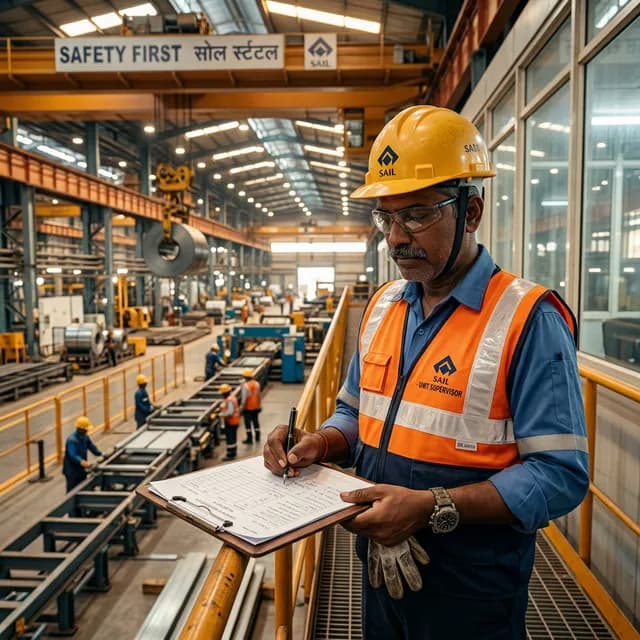
The Carbon Border Adjustment Mechanism (CBAM) is a pivotal piece of EU legislation that has fundamentally reshaped the landscape for Indian exporters. Understanding the CBAM start date and its intricate timeline, from the initial reporting obligations in October 2023 to the full financial exposure by 2034, is not just about compliance – it's about strategic survival and competitive advantage in the European market. For Indian MSMEs and large manufacturers in Ludhiana, Gujarat, Pune, and Jamshedpur, exporting steel, cement, aluminium, fertilisers, or hydrogen, deciphering this timeline is paramount. This comprehensive guide will break down every critical phase, providing actionable insights for your business.
Key Takeaways
- CBAM commenced its transitional phase on October 1, 2023, requiring quarterly emissions reporting for specified goods imported into the EU.
- The definitive phase begins January 1, 2026, introducing financial obligations where Indian exporters' EU importers will need to purchase CBAM certificates.
- Full financial exposure will be reached by 2034, as the free allowances under the EU Emissions Trading System (ETS) are completely phased out.
- Accurate data collection and emission calculations are critical during the transitional phase to prepare for the financial implications of the definitive phase.
- Indian exporters must verify HS/CN codes, understand direct and indirect emissions, and engage with their EU importers proactively.
- CarbonSettle offers end-to-end CBAM compliance services in India, handling all data, calculations, reporting, and coordination to ensure seamless compliance and potential cost savings.
What is the CBAM Start Date and Why is it Critical for Indian Exporters?
The Carbon Border Adjustment Mechanism (CBAM) officially commenced its transitional phase on October 1, 2023. This date marks the beginning of a mandatory reporting period for all goods covered under Regulation (EU) 2023/956, imported into the European Union from non-EU countries, including India. For Indian exporters, this start date is critical because it initiated the requirement to meticulously track and report the embedded greenhouse gas (GHG) emissions of their products. While no financial payment was required during this initial phase, the data collected and reported now will directly influence the financial liabilities that begin in 2026. Ignoring this start date and the subsequent reporting obligations can lead to significant penalties for your EU importer, which will inevitably trickle down to you, the Indian supplier.
The primary objective of CBAM is to prevent "carbon leakage," where EU companies might move carbon-intensive production outside the EU to countries with less stringent climate policies. By placing a carbon price on imports equivalent to the one paid by EU producers under the EU Emissions Trading System (ETS), CBAM aims to level the playing field and encourage global decarbonisation. For Indian manufacturers, this means that the carbon footprint of your steel, cement, aluminium, fertilisers, or hydrogen products is now a direct factor in their competitiveness in the European market.
The Transitional Phase (October 1, 2023 – December 31, 2025): Reporting, Not Paying
The period from October 1, 2023, to December 31, 2025, is known as the transitional phase of CBAM. During this crucial period, the focus is entirely on data collection and reporting. Indian exporters are not directly liable for any carbon tax payments; instead, their EU importers are responsible for submitting quarterly CBAM reports to the European Commission. However, the onus of providing accurate embedded emissions data falls squarely on the Indian exporter.
Key Requirements for Indian Exporters During the Transitional Phase:
-
Data Collection and Calculation: Indian manufacturers must calculate the embedded direct and, in some cases, indirect emissions of their CBAM-covered goods. This involves:
- Direct Emissions: Emissions from the production process itself (e.g., fuel combustion in kilns for cement, blast furnaces for steel). This requires tracking fuel consumption (coal, natural gas, pet coke) and applying appropriate emission factors.
- Indirect Emissions: Emissions from the electricity consumed during the production process. This means understanding your electricity mix and its associated emission factor. For instance, if your factory in Gujarat uses power from UGVCL or your plant in Pune from MSEDCL, you need to know the grid emission factor or, ideally, your specific supplier's emission factor if you have a direct PPA.
- Scope: The reporting covers Scope 1 (direct) and Scope 2 (indirect from electricity) emissions for the production of the goods.
- Data Points: This includes detailed information on production volumes, raw material inputs, specific energy consumption (electricity, natural gas, coal, furnace oil), and waste gases.
-
Product Classification: Accurately identifying the Harmonised System (HS) codes and Combined Nomenclature (CN) codes of your exported products is vital. CBAM applies to specific goods listed in Annex I of Regulation (EU) 2023/956. You can find a comprehensive list and guidance on our CBAM CN code directory. Misclassification can lead to incorrect reporting or missed obligations.
-
Information Sharing with EU Importers: Indian exporters must provide their EU importers with the necessary embedded emissions data. This data should be sufficiently detailed and robust to withstand scrutiny. Many EU importers are now proactively requesting this information from their Indian suppliers.
-
Methodology Adherence: During the transitional phase, exporters can use various methodologies for calculating embedded emissions, including:
- EU Method (Default): The detailed methodology outlined in the CBAM Implementing Regulation (Commission Implementing Regulation (EU) 2023/1773).
- Equivalent National Systems: A national system where the emissions are calculated with similar accuracy (e.g., India's own carbon accounting standards, if deemed equivalent).
- Other Monitoring Systems: Any other method, including company-specific systems, provided they ensure similar coverage and accuracy.
- Default Values: If specific data is unavailable, EU default values can be used. However, it's crucial to understand that these default values are typically conservative and higher than actual emissions, potentially leading to significantly higher CBAM costs in the definitive phase. Using default values could increase your CBAM liability by 20-40% compared to actual, accurately calculated emissions.
Reporting Deadlines and Penalties:
- The first CBAM report for Q4 2023 was due by January 31, 2024.
- Subsequent reports are due one month after the end of each quarter (e.g., Q1 2024 report by April 30, 2024).
- While the transitional phase doesn't involve financial payments for carbon, failure to report or submitting incomplete/incorrect reports can result in penalties for the EU importer, ranging from €10 to €50 per tonne of unreported emissions. These penalties, which can be ₹900 to ₹4,500 per tonne, will undoubtedly be passed back to the Indian exporter.
This phase is a learning curve for everyone involved. For Indian exporters, it's a golden opportunity to refine their data collection processes, understand their carbon footprint, and prepare for the financial implications that lie ahead. Engaging with a CBAM service provider India like CarbonSettle during this phase can significantly ease the burden and ensure accurate reporting.
See what CBAM will cost your buyer
Free 30-second check — pick your product and tonnage, get your buyer-side savings number.
2026 Regulatory Impact for Indian Exporters: The Definitive Phase Begins
The most significant shift in the CBAM timeline occurs on January 1, 2026, when the definitive phase officially begins. This is when the financial implications of CBAM become real for Indian exporters through their EU importers. From this date, EU importers will be required to purchase and surrender CBAM certificates corresponding to the embedded emissions of the goods they import.
Key Changes and Financial Obligations:
-
Purchase of CBAM Certificates: Importers will need to purchase CBAM certificates, the price of which will be linked to the weekly average auction price of EU ETS allowances, expressed in €/tonne of CO2e. As of late 2023/early 2024, EU ETS prices have hovered around €60-€80 per tonne of CO2e (approximately ₹5,400 to ₹7,200). This cost will directly impact the landed cost of Indian goods in the EU.
-
Verification Requirements: The embedded emissions reported by Indian exporters will need to be verified by an accredited verifier. This adds another layer of scrutiny and necessitates robust, auditable data collection and calculation processes at the Indian factory level. CarbonSettle's end-to-end CBAM compliance services include preparing for and coordinating with verifiers, taking this complex task off your plate.
-
Phased Introduction of Financial Liability (2026-2034): The financial liability will not hit 100% immediately in 2026. Instead, it will be gradually phased in, mirroring the phasing out of free allowances under the EU ETS for EU producers. This means that initially, only a portion of the embedded emissions will be subject to CBAM certificate purchase. The percentage of free allowances phased out (and thus the percentage of emissions subject to CBAM) will increase annually, reaching 100% by 2034.
- 2026: 2.5% of free allowances phased out.
- 2027: 5% of free allowances phased out.
- ...
- 2034: 100% of free allowances phased out, meaning full CBAM liability.
-
Deduction for Carbon Price Paid in India: A crucial provision for Indian exporters is the ability to deduct any carbon price already paid in India for the embedded emissions. If India implements its own carbon pricing mechanism (e.g., a carbon tax or an ETS), and your company has paid for its emissions under such a scheme, this amount can be deducted from the CBAM liability. This provision aims to avoid double carbon pricing. However, as of now, India does not have a comprehensive carbon pricing mechanism that would qualify for such deductions. The Carbon Credit Trading Scheme (CCTS) launched in India is primarily for domestic compliance and voluntary markets and its equivalence for CBAM deduction is yet to be determined by the EU.
Strategic Implications for Indian Exporters:
- Cost Management: Understanding your actual emissions is paramount. Relying on EU default values, which are generally higher, will lead to inflated CBAM costs. For example, if your actual emissions are 1.5 tonnes CO2e/tonne of steel, but the EU default is 2.0 tonnes CO2e/tonne, and the CBAM price is €70/tonne, you would pay €140 per tonne of steel instead of €105. This difference of €35 (approx. ₹3,150) per tonne significantly impacts your margins. Accurate reporting can lead to substantial savings, potentially up to 40% on your CBAM tax.
- Decarbonisation Efforts: The definitive phase provides a strong incentive for Indian manufacturers to invest in decarbonisation technologies and processes. Reducing your embedded emissions directly translates into lower CBAM costs, making your products more competitive.
- Supplier Engagement: For complex products, understanding the emissions from your raw material suppliers (e.g., iron ore for steel, bauxite for aluminium) will become increasingly important. This necessitates engaging your upstream supply chain.
- Long-term Planning: Indian companies exporting to the EU must integrate CBAM costs into their long-term financial planning and pricing strategies. This is no longer just a compliance issue but a core business strategy. For more details on potential costs, refer to our India CBAM Cost Index.
The Full Exposure Timeline: 2034 and Beyond
The year 2034 marks the culmination of the CBAM phase-in period. By this point, the free allowances under the EU ETS will have been completely phased out for EU producers, meaning that 100% of the embedded emissions in CBAM-covered goods imported into the EU will be subject to the carbon price.
What This Means for Indian Exporters:
- Maximum Financial Impact: From 2034 onwards, the full cost of carbon will be applied to your exports. There will be no partial relief from the phasing-in mechanism. This underscores the urgency of understanding and reducing your carbon footprint now.
- Competitive Landscape: Companies that have proactively invested in decarbonisation will have a significant competitive advantage. Those who have not will face higher costs, potentially making their products uncompetitive in the EU market.
- Continuous Improvement: CBAM is not a one-time compliance exercise. It demands continuous monitoring, reporting, and efforts to reduce emissions. The EU ETS, to which CBAM is linked, is a dynamic system, and carbon prices can fluctuate based on market conditions and policy changes.
Beyond 2034: Potential Expansions and Future Developments
While the current CBAM scope covers specific goods (cement, iron and steel, aluminium, fertilisers, hydrogen, and electricity), the European Commission has indicated its intention to review and potentially expand the scope to include other carbon-intensive sectors and products.
- Organic Chemicals and Polymers: These sectors are often cited as potential candidates for future inclusion.
- Indirect Emissions for All Sectors: While currently indirect emissions are only mandatory for cement and fertilisers (and optionally for others), there is a possibility of making it mandatory across all CBAM sectors in the future.
- Downstream Products: Currently, CBAM focuses on basic materials. In the future, it could extend to more complex manufactured goods that incorporate these basic materials.
Indian exporters must stay abreast of these potential developments. A proactive approach to carbon management and compliance will position your business favorably for any future expansions of the CBAM regime.
Operational Steps for Indian Exporters: A Practical Guide
Navigating the CBAM timeline requires a structured, operational approach. Here are the key steps Indian exporters should be taking right now:
1. Verify Product Scope and HS/CN Codes
- Action: Confirm if your exported products fall under the CBAM scope by checking their HS/CN codes against Annex I of Regulation (EU) 2023/956.
- Resource: Utilize our CBAM CN code directory for quick verification.
- Why it matters: Incorrect classification is a common pitfall and can lead to missed reporting or unnecessary effort.
2. Establish Robust Data Collection Systems
- Action: Implement systems to accurately track all relevant data for embedded emissions calculations. This includes:
- Production data: Tonnes of finished product, intermediate products.
- Energy consumption: Electricity (kWh), natural gas (SCM), coal (tonnes), furnace oil (litres) – segregated by production process. Record meter readings, invoices from utility providers like MSEDCL, UGVCL, TANGEDCO.
- Raw material inputs: Quantity and type.
- Waste gases: Any gases captured or flared.
- Why it matters: Accurate primary data is the backbone of CBAM compliance. Without it, you'll be forced to rely on higher default values, increasing your future CBAM costs significantly.
3. Calculate Embedded Emissions Accurately
- Action: Apply the CBAM methodology to calculate direct and indirect emissions for each product. This involves using appropriate emission factors for fuels and electricity.
- Challenge: This can be complex, requiring expertise in GHG accounting and understanding of CBAM-specific rules.
- Solution: Consider partnering with a CBAM consultant India like CarbonSettle. Our experts handle these calculations end-to-end, ensuring accuracy and compliance.
4. Engage with Your EU Importer
- Action: Proactively share your emissions data with your EU importer and understand their reporting requirements.
- Why it matters: Your EU importer is legally responsible for reporting. A strong, collaborative relationship ensures smooth data flow and avoids last-minute scrambling. Provide them with the necessary documentation and calculations.
5. Prepare for Verification
- Action: Even during the transitional phase, start documenting your data collection and calculation methodologies. This will be crucial for the definitive phase when external verification becomes mandatory.
- Why it matters: Verifiers will scrutinize your data and processes. Being prepared will save time and prevent potential issues.
6. Explore Decarbonisation Opportunities
- Action: Identify areas within your production processes where emissions can be reduced. This could involve switching to cleaner fuels, improving energy efficiency, or investing in renewable energy.
- Why it matters: Every tonne of CO2e reduced directly translates into lower CBAM costs and enhanced competitiveness. This is a long-term strategic imperative.
7. Stay Updated on Regulatory Changes
- Action: The CBAM regulation and its implementing acts are subject to updates. Regularly monitor announcements from the European Commission.
- Why it matters: Staying informed ensures your compliance efforts remain aligned with the latest requirements. CarbonSettle provides continuous updates and guidance as part of our CBAM compliance service India.
Frequently asked questions
When did CBAM officially start for Indian exporters?
What is the difference between the transitional and definitive phases of CBAM?
Compliance disclaimer
Strategies described here are for educational purposes. CBAM regulations (EU 2023/956) evolve quarterly — always verify with your accredited verifier before filing definitive reports.
We’ll do your entire CBAM quarter — ₹0.
A dedicated CBAM expert plus our AI do the whole April–June 2026 report end-to-end: your factory data in, verified actual emissions out — so your buyer pays your real number, not the inflated EU default. The report is yours to keep.
Start your report by 30 September 2026 to claim the free quarter.
Bills, logs, photos — one afternoon.
Verified actuals, EU XML, audit standard.
Yours to keep. ₹0 this quarter.
Prefer to talk? +91 76250 95885 · or run a 30-second savings check first
The complete CBAM guide for Indian exporters
The full compliance roadmap — CN codes, emissions, deadlines, penalties and how to keep your EU orders.
More CBAM guidance for Indian exporters
 Compliance Updates
Missed a CBAM Reporting Deadline? A Damage-Control Playbook for Indian Exporters
Indian exporters, missed your CBAM deadline? This guide offers a damage-control playbook, penalty insights, and steps to regain compliance. Get expert help from CarbonSettle.
 Compliance Updates
Embedded Emissions Reporting in the Definitive Phase: New Rules for 2026
Discover new embedded emissions reporting rules for 2026 and how Indian exporters can navigate the EU CBAM effectively.
 Compliance Updates
CBAM Quarterly Reporting Deadlines: A Compliance Officer's Technical Checklist
Technical checklist for CBAM quarterly reporting deadlines. Essential compliance steps for steel exporters under Regulation (EU) 2023/956.