The Carbon Border Adjustment Mechanism (CBAM) is fundamentally changing how Indian manufacturers export to the European Union. While much of the initial burden falls on Indian exporters to provide accurate emissions data, the ultimate legal and financial responsibility for CBAM compliance within the EU lies with the CBAM Declarant. Understanding who this declarant is, their obligations, and how your role as an Indian exporter intertwines with theirs is crucial for seamless trade and avoiding costly penalties.
This comprehensive guide will demystify the CBAM Declarant, explain the different types of representation, and outline the critical information Indian MSMEs and large manufacturers from industrial hubs like Ludhiana, Gujarat, Pune, and Jamshedpur need to share with their EU partners. For Indian companies exporting steel, cement, aluminium, fertilisers, or hydrogen, this knowledge is not just regulatory jargon; it's essential for maintaining market access and competitive advantage.
Key Takeaways
- CBAM Declarant is Key: The CBAM Declarant is the EU entity legally responsible for reporting and eventually paying for embedded emissions of imported CBAM goods.
- Two Types of Declarants: This can be the EU importer (direct representation) or an indirect customs representative.
- Indian Exporter's Role: Indian exporters must provide accurate, verified emissions data to their EU Declarant to avoid high default values and potential trade disruptions.
- Definitive Phase (2026): From January 2026, Declarants will need to purchase and surrender CBAM certificates, making accurate data even more critical for cost management.
- Data is Paramount: Timely and precise data on direct and indirect emissions, including electricity consumption from providers like MSEDCL, UGVCL, or TANGEDCO, is non-negotiable.
- CarbonSettle Simplifies: CarbonSettle acts as your dedicated CBAM compliance partner in India, handling all data collection, calculation, reporting, and coordination with your EU Declarant, taking the entire CBAM headache away.
What is a CBAM Declarant and Why Does It Matter to Indian Exporters?
The CBAM Declarant is the entity in the European Union legally responsible for fulfilling all obligations under Regulation (EU) 2023/956. This includes submitting quarterly CBAM reports during the transitional period (until December 2025) and, crucially, purchasing and surrendering CBAM certificates during the definitive period (from January 2026 onwards). For Indian exporters, understanding who this declarant is on the EU side is paramount because they are the direct recipient of your emissions data and the party that will face penalties if the data is incorrect or missing.
Think of it this way: you, as an Indian manufacturer in Gujarat producing aluminium extrusions, are responsible for accurately measuring and reporting the carbon footprint of your product. However, it's your EU buyer or their designated representative who actually submits this information to the EU authorities and eventually pays the "carbon tax." If you fail to provide them with the necessary data, they will be forced to use default values, which are significantly higher and will likely lead to increased costs for them, potentially impacting your business relationship.
The CBAM Declarant acts as the gatekeeper for your goods entering the EU market from a carbon perspective. Their ability to comply directly depends on the quality and timeliness of the data you provide.
Who Can Be a CBAM Declarant? Direct vs. Indirect Representation
The CBAM Regulation specifies two main scenarios for who can act as a CBAM Declarant:
1. The Importer (Direct Representation)
In most straightforward trade scenarios, the importer of the goods into the EU will be the CBAM Declarant. This refers to the person or entity that declares the goods for release for free circulation in the EU customs territory in their own name and on their own behalf. This is the most common arrangement, especially for established trade relationships where the EU buyer directly handles customs clearance.
What this means for Indian Exporters: If your EU customer (e.g., a German steel distributor or a French cement wholesaler) is the importer, they will be your CBAM Declarant. You will need to provide all your emissions data directly to them. They will then use this data to complete their quarterly CBAM reports and, from 2026, purchase CBAM certificates.
2. The Indirect Customs Representative (Indirect Representation)
There are situations where the importer is not established in the EU, or they prefer to delegate the responsibility. In such cases, an indirect customs representative can act as the CBAM Declarant. This representative is a person or entity established in the EU that is designated by the importer to perform customs formalities and assumes joint and several liability for the customs debt. Under CBAM, they also assume the full obligations of the CBAM Declarant.
This scenario is more common for:
- Non-EU importers: If an Indian company sells directly to a non-EU entity that then imports into the EU, or if the ultimate buyer is not established in the EU.
- Complex supply chains: Where goods pass through multiple hands before final import, and a specialized customs agent handles the entry into the EU.
- Importers seeking to outsource: Some EU importers might prefer to delegate the complex CBAM compliance tasks to a specialized customs broker or representative.
What this means for Indian Exporters: If your EU trade involves an indirect customs representative acting as the CBAM Declarant, you will need to provide your emissions data to this representative. It's crucial to clarify with your EU client who will be acting as the declarant to ensure your data reaches the correct party.
Key Distinction: The critical difference lies in who holds the legal responsibility. With direct representation, the importer is solely responsible. With indirect representation, the indirect customs representative takes on that responsibility, often sharing liability with the importer.
Regardless of who the specific declarant is, the core requirement for Indian exporters remains the same: provide accurate, verifiable, and timely emissions data. For a deeper dive into overall compliance, refer to our CBAM Compliance Guide for Indian Exporters.
See what CBAM will cost your buyer
Free 30-second check — pick your product and tonnage, get your buyer-side savings number.
The CBAM Declarant's Responsibilities: What Your EU Partner Must Do
Understanding the responsibilities of your EU CBAM Declarant helps you, as an Indian exporter, appreciate the importance of your data provision. Their key duties include:
- Obtaining CBAM Authorisation: Before importing CBAM goods, the Declarant must apply for and obtain an authorisation from the competent authority in the EU Member State where they are established. This is a prerequisite for being able to act as a Declarant.
- Submitting Quarterly CBAM Reports (Transitional Period - 2023-2025): For every quarter, the Declarant must submit a report detailing:
- The total quantity of each type of CBAM good imported (in MWh for electricity, tonnes for other goods).
- The total embedded emissions (direct and indirect) for each type of good.
- The total embedded emissions calculated using default values if actual data is unavailable.
- The total carbon price effectively paid in the country of origin (e.g., India) for these embedded emissions (though India currently doesn't have a direct carbon price mechanism that CBAM recognizes for this offset).
- This report must be submitted to the CBAM Transitional Registry by the end of the month following the end of the quarter (e.g., Q4 2023 report due by 31st January 2024).
- Purchasing and Surrendering CBAM Certificates (Definitive Period - From 2026): This is the financial core of CBAM. From January 1, 2026, Declarants will need to:
- Purchase CBAM certificates, the price of which will be linked to the weekly average auction price of EU Emissions Trading System (ETS) allowances.
- Surrender a number of CBAM certificates corresponding to the total embedded emissions of the goods imported in the preceding calendar year, by May 31st each year.
- Ensure they hold enough certificates in their account to cover their obligations.
- Maintaining Records: Declarants must keep detailed records of all information used to calculate embedded emissions, purchase certificates, and submit reports for at least four years.
- Ensuring Data Accuracy: The Declarant is ultimately responsible for the accuracy of the reported emissions. If they report using default values because you, the Indian exporter, didn't provide actual data, they will face higher costs. If they report incorrect actual data, they could face penalties.
For Indian exporters, this means your data directly impacts your EU partner's compliance burden, financial outlay, and potential for penalties. Providing accurate data is not just a regulatory hurdle; it's a critical component of maintaining a strong, reliable supply chain relationship.
The Indian Exporter's Critical Role: Data Provision and Collaboration
While the CBAM Declarant bears the legal responsibility in the EU, the operational burden of providing accurate emissions data falls squarely on the shoulders of Indian exporters. Without your detailed input, the Declarant cannot comply effectively. Here’s what Indian manufacturers, from MSMEs in Pune to large steel plants in Jamshedpur, must do:
1. Understand Your Product's HS/CN Codes
The first step is to correctly identify if your products fall under CBAM. This is determined by their Combined Nomenclature (CN) codes, which are the EU's extended version of Harmonized System (HS) codes. Products like certain iron and steel articles (e.g., HS 72, 73), aluminium (HS 76), cement (HS 2523), fertilisers (HS 28, 31), and hydrogen (HS 2804) are covered. Incorrect classification can lead to missed reporting or unnecessary compliance efforts. Our CBAM CN code directory can help you verify your product classifications.
2. Collect Comprehensive Activity Data
This is the most crucial and often the most challenging step. You need to gather data on all inputs and processes involved in manufacturing your CBAM-covered goods. This includes:
- Fuel Consumption: Quantities and types of all fuels (coal, natural gas, diesel, furnace oil) consumed directly in your production processes (e.g., for furnaces, boilers) and for on-site transport.
- Electricity Consumption: Total electricity consumed for the production of CBAM goods. This includes electricity purchased from the grid (e.g., from MSEDCL, UGVCL, TANGEDCO) and any self-generated electricity. You'll need to know the specific grid emission factors for your region or the emission factor of your on-site generation.
- Process Emissions: Emissions directly released from industrial processes (e.g., CO2 from calcination in cement production, or from chemical reactions in fertiliser production).
- Input Materials: For complex goods, you'll need data on the embedded emissions of significant precursor materials (e.g., clinker for cement, pig iron for steel, alumina for aluminium). This requires engaging with your upstream suppliers.
3. Calculate Embedded Emissions
Using the collected activity data and relevant emission factors, you must calculate the direct and indirect embedded emissions per tonne of your CBAM product. The EU provides specific methodologies for these calculations, distinguishing between:
- Direct Emissions (Scope 1): Emissions from sources owned or controlled by your factory (e.g., fuel combustion in your furnaces).
- Indirect Emissions (Scope 2): Emissions from the generation of purchased electricity consumed at your factory.
These calculations must adhere to the detailed rules outlined in the CBAM Implementing Regulation (EU) 2023/1773. For example, if your factory in Ludhiana uses grid electricity, you'll need the specific emission factor for the Northern Regional Load Despatch Centre (NRLDC) grid or your local distribution company.
4. Engage with Your Supply Chain
For complex products, understanding the embedded emissions of your input materials (precursors) is vital. This means reaching out to your own suppliers in India to obtain their emissions data. This can be a significant undertaking, especially for MSMEs with extensive supply chains.
5. Provide Data to Your EU Declarant
Once calculated, this data needs to be compiled into a format that your EU Declarant can easily use for their quarterly reports. This often involves providing a detailed breakdown of emissions per tonne for each specific product and consignment. Clear communication channels with your EU partner are essential.
6. Prepare for Verification
During the definitive phase (from 2026), the reported embedded emissions will need to be verified by an accredited verifier. This means your data collection and calculation processes must be robust and auditable.
Navigating these steps requires significant expertise and resources. This is where an end-to-end CBAM compliance service like CarbonSettle becomes invaluable for Indian exporters. We handle the entire process, from data collection at your factory to generating EU-ready reports, ensuring your EU Declarant receives accurate and compliant information.
2026 Regulatory Impact for Indian Exporters: The Definitive Phase
The transitional period (October 2023 - December 2025) is a learning phase, primarily focused on reporting. However, January 1, 2026, marks the beginning of the definitive phase of CBAM, bringing significant financial obligations and heightened scrutiny for both EU Declarants and, by extension, Indian exporters.
Financial Implications for EU Declarants (and Indirectly for Indian Exporters)
From 2026, EU Declarants will be required to:
- Purchase CBAM Certificates: These certificates will be priced based on the weekly average auction price of EU ETS allowances. As of mid-2024, EU ETS prices fluctuate but have often been in the range of €60-€80 per tonne of CO2e. This translates to approximately ₹5,400 - ₹7,200 per tonne of CO2e (assuming €1 = ₹90).
- Surrender Certificates: By May 31st each year, Declarants must surrender the exact number of CBAM certificates corresponding to the total verified embedded emissions of the goods imported in the previous calendar year.
What this means for Indian Exporters:
- Direct Cost Impact: While you, as an Indian exporter, don't directly pay the CBAM tax, your EU Declarant does. This cost will inevitably be factored into your pricing negotiations. If your products have high embedded emissions, your EU buyer will face higher CBAM costs, making your product less competitive compared to lower-carbon alternatives or domestic EU production.
- Importance of Actual Data: The EU provides default values for embedded emissions when actual data from the exporter is unavailable. These default values are intentionally set high – often representing the average of the worst-performing 10% of EU installations for that product, or even higher. For example, default values for certain steel products could be 2.5-3.0 tonnes CO2e per tonne of steel, whereas an efficient Indian plant might be 1.8-2.2 tonnes. Using default values could lead to your EU Declarant paying 20-40% more in CBAM costs than if they had your actual, lower emissions data. This directly impacts your product's landed cost in the EU.
- Verification Becomes Mandatory: From 2026, the reported emissions data must be verified by an accredited verifier. This means your internal data collection and calculation processes must be robust and auditable. Lack of verifiable data will force the Declarant to use default values.
- Increased Scrutiny: EU Declarants will be under immense pressure to secure accurate data from their suppliers. Those Indian exporters who can consistently provide verified, low-emission data will become preferred partners.
Consider an Indian steel manufacturer in Jamshedpur exporting 10,000 tonnes of steel to the EU. If their actual emissions are 2.0 tCO2e/tonne, but they fail to provide this data, their EU Declarant might have to use a default value of 2.8 tCO2e/tonne. At €70/tCO2e, this difference of 0.8 tCO2e/tonne translates to an extra €56 per tonne of steel, or €560,000 (approx. ₹5 Crore) annually in additional CBAM costs for the EU importer. This significant cost will undoubtedly be passed back to the Indian exporter or lead to a loss of business.
This definitive phase underscores the urgent need for Indian exporters to implement robust internal systems for emissions data management. Proactive engagement with end-to-end CBAM compliance services is no longer optional but a strategic imperative.
Penalties for Non-Compliance: What Indian Exporters Need to Know
While penalties are primarily levied on the EU CBAM Declarant, non-compliance directly impacts Indian exporters through damaged relationships, increased costs, and potential loss of market access.
Penalties for the CBAM Declarant
The EU Member States are responsible for enforcing penalties. These can be substantial:
- Failure to Submit Reports (Transitional Period): If a Declarant fails to submit a CBAM report or submits an incomplete/incorrect report, penalties can range from €10 to €50 per tonne of unreported emissions. This can escalate significantly if the non-compliance is prolonged or intentional. For instance, if 10,000 tonnes of CO2e are unreported, the penalty could be between €100,000 and €500,000.
- Failure to Surrender Certificates (Definitive Period): From 2026, if a Declarant fails to surrender the required number of CBAM certificates by May 31st, they will face a penalty equivalent to the penalty for not surrendering allowances under the EU ETS, which is €100 per tonne of CO2e for each tonne for which certificates were not surrendered. This is in addition to the obligation to still surrender the
Compliance disclaimer
Strategies described here are for educational purposes. CBAM regulations (EU 2023/956) evolve quarterly — always verify with your accredited verifier before filing definitive reports.
We’ll do your entire CBAM quarter — ₹0.
A dedicated CBAM expert plus our AI do the whole April–June 2026 report end-to-end: your factory data in, verified actual emissions out — so your buyer pays your real number, not the inflated EU default. The report is yours to keep.
Start your report by 30 September 2026 to claim the free quarter.
Bills, logs, photos — one afternoon.
Verified actuals, EU XML, audit standard.
Yours to keep. ₹0 this quarter.
Prefer to talk? +91 76250 95885 · or run a 30-second savings check first
The complete CBAM guide for Indian exporters
The full compliance roadmap — CN codes, emissions, deadlines, penalties and how to keep your EU orders.
More CBAM guidance for Indian exporters
 Technical Compliance
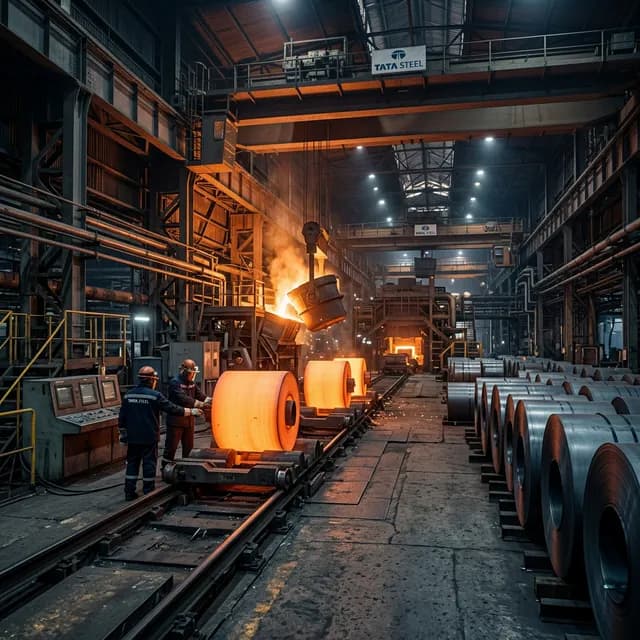
Building a CBAM Compliance Team: Roles, Responsibilities and Hiring Guide
A comprehensive guide for Indian MSMEs on forming a CBAM compliance team to navigate EU regulations effectively.
 Technical Compliance
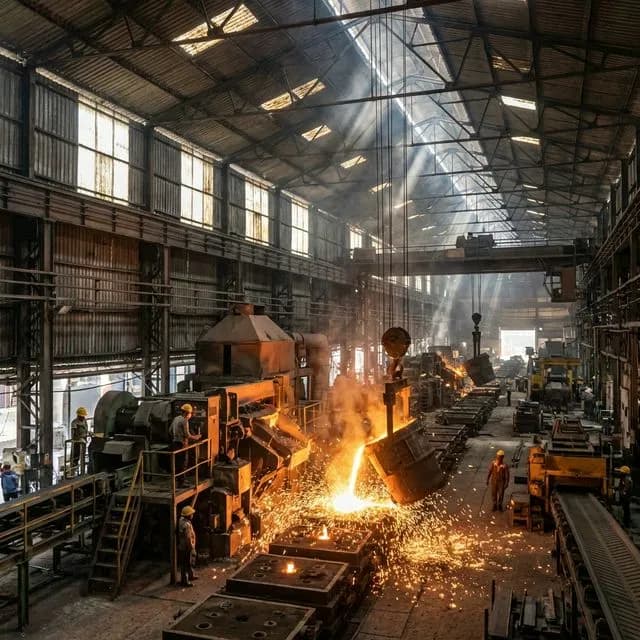
CBAM Training for Shop Floor Workers: What They Need to Know
Essential training guide for shop floor workers on CBAM compliance and emissions tracking.
 Technical Compliance
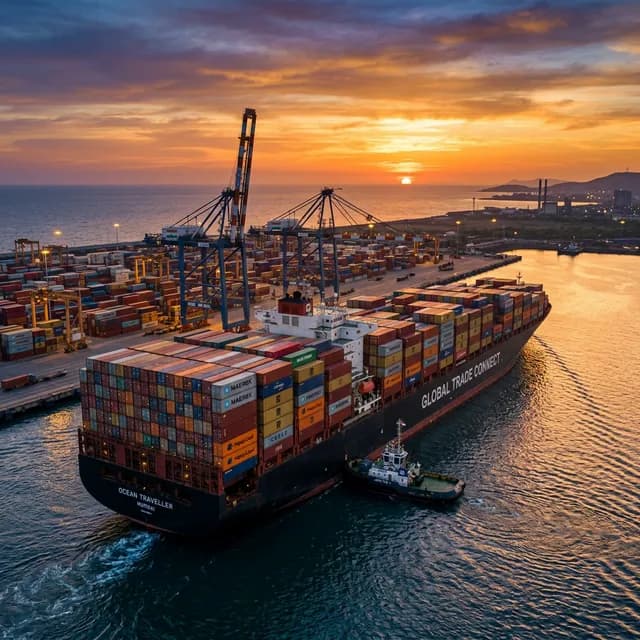
EU CBAM vs US Proposed Clean Competition Act: What Indian Exporters Should Know
A detailed comparison of EU CBAM and the US Clean Competition Act for Indian exporters.