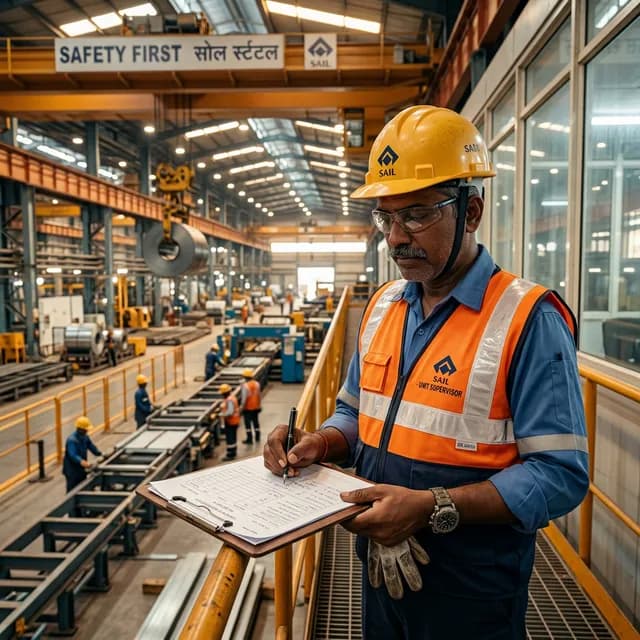
CBAM for Traders and Merchant Exporters: Navigating Liability Without a Factory
For Indian traders and merchant exporters, the Carbon Border Adjustment Mechanism (CBAM) presents a unique and often misunderstood challenge. While you might not own the factory producing the goods, your role in the supply chain means you are inextricably linked to CBAM compliance when exporting to the European Union. This comprehensive guide will demystify CBAM for Indian traders, highlighting your specific obligations, potential liabilities, and actionable steps to ensure smooth, penalty-free exports to the EU.
Key Takeaways:
- CBAM Applies to Goods, Not Just Producers: Even without owning a factory, if you facilitate the export of CBAM-covered goods to the EU, you are part of the compliance chain.
- Data Collection is Your Biggest Hurdle: Obtaining accurate, verified embedded emissions data from your upstream Indian suppliers (factories) is critical.
- EU Importer Bears Ultimate Financial Liability: While you provide the data, your EU importer is responsible for purchasing CBAM certificates in the definitive phase (from 2026). However, inaccurate data from you can lead to significant financial penalties for them, impacting your business relationships.
- HS/CN Code Verification is Paramount: Correctly identifying if your goods fall under CBAM scope is the first step.
- Proactive Engagement is Essential: Start engaging with your Indian suppliers and EU importers NOW to streamline data flow and avoid disruptions.
- CarbonSettle Offers End-to-End Support: As India's #1 end-to-end CBAM compliance service, CarbonSettle takes the entire burden off your shoulders, from supplier data collection to EU XML report generation.
What is CBAM and How Does it Impact Indian Traders?
The Carbon Border Adjustment Mechanism (CBAM), established by Regulation (EU) 2023/956, is the EU's landmark climate policy designed to prevent 'carbon leakage' – where EU companies might move carbon-intensive production outside the EU to countries with less stringent climate policies. It essentially puts a carbon price on imported goods equivalent to the carbon price paid by EU domestic producers under the EU Emissions Trading System (ETS).
For Indian traders and merchant exporters, CBAM is not just a regulatory hurdle for manufacturers; it's a direct concern. While the EU importer is legally responsible for submitting the CBAM report and eventually purchasing CBAM certificates, they are entirely dependent on you, the Indian exporter, for the accurate embedded emissions data. Without this data, your EU importer cannot comply, leading to potential penalties for them and severe disruptions to your trade relationship.
Consider a trader in Ludhiana exporting steel pipes to Germany, or a merchant exporter in Gujarat supplying aluminium ingots to Italy. Even though they don't own the steel rolling mill or the aluminium smelter, they are the direct point of contact for the EU importer. The EU importer will demand precise embedded emissions data for those pipes or ingots. If the trader cannot provide it, or provides inaccurate data, the EU importer will be forced to use default values, which are significantly higher and more expensive. This directly impacts the competitiveness of your products and your standing with your EU clients.
Identifying CBAM-Covered Goods: Your First Step
The very first step for any Indian trader is to ascertain whether the goods you export to the EU fall under CBAM scope. CBAM currently covers specific categories of goods that are typically carbon-intensive in their production.
Currently Covered Sectors:
- Cement: Clinker, cement, and concrete products.
- Iron and Steel: A wide range of products including raw iron, steel, tubes, pipes, sheets, and certain finished articles.
- Aluminium: Raw aluminium, aluminium articles, and structures.
- Fertilisers: Ammonia, nitric acid, urea, and other nitrogenous fertilisers.
- Hydrogen: Gaseous and liquid hydrogen.
- Electricity: Though less common for Indian exporters, it is also covered.
How to Check Your Products:
CBAM scope is defined by specific Combined Nomenclature (CN) codes, which are the EU's version of Harmonized System (HS) codes. You must meticulously check the CN codes of all products you export to the EU against the official CBAM list.
- Example: A trader exporting "Iron or steel bars and rods, hot-rolled, in irregularly wound coils" (HS code 7213) needs to verify if its corresponding CN code (e.g., 7213.10.00) is on the CBAM list. Similarly, for "Aluminium unwrought" (HS code 7601), the relevant CN codes must be checked.
- Actionable Tip: Compile a list of all HS codes for products you export to the EU. Then, use the official EU TARIC database or consult with a CBAM expert to match these to the corresponding CN codes and verify their CBAM applicability. CarbonSettle maintains a comprehensive CBAM CN code directory to assist Indian exporters with this crucial first step.
Misclassification can lead to either unnecessary compliance efforts or, worse, non-compliance and penalties. This is a critical area where expert guidance can save significant time and resources.
The Data Challenge: Obtaining Embedded Emissions Information
This is arguably the most significant operational hurdle for Indian traders. Since you don't own the factory, you must rely on your upstream suppliers to provide the necessary data. The EU CBAM regulation requires detailed information on the direct and indirect embedded emissions of the goods.
What Data is Required?
- Direct Emissions (Scope 1): Emissions from the production process itself at the factory (e.g., burning natural gas in a furnace, emissions from chemical reactions in cement production). This includes fuel consumption data (e.g., litres of diesel, cubic meters of natural gas, tonnes of coal) and their respective emission factors.
- Indirect Emissions (Scope 2): Emissions from the electricity consumed during the production process. This requires data on electricity consumption (kWh) and the specific grid emission factor of the utility provider (e.g., MSEDCL in Maharashtra, UGVCL in Gujarat, TANGEDCO in Tamil Nadu).
- Precursors (for complex goods): For certain complex products (e.g., steel products made from steel ingots), emissions from the production of key precursor materials are also required.
Challenges for Traders:
- Supplier Reluctance/Lack of Understanding: Many Indian MSME manufacturers, especially those in industrial clusters like Jamshedpur (steel), Pune (engineering), or Gujarat (chemical/aluminium), may not have the systems or understanding to collect this granular data. They might be hesitant to share proprietary information.
- Data Accuracy and Verification: The data provided must be accurate and, eventually, verifiable. Simply accepting a number from your supplier is not enough.
- Multiple Suppliers: If you source components or finished goods from multiple factories, you'll need to aggregate data from each.
- Confidentiality Concerns: Factories might be wary of sharing sensitive production data.
Actionable Steps for Traders:
- Educate Your Suppliers: Explain to your Indian manufacturing partners (e.g., the steel mill in Odisha, the cement plant in Rajasthan) why this data is crucial for their continued access to the EU market. Emphasize that it's not just for you, but for the entire supply chain.
- Formal Data Request: Issue a formal data request outlining exactly what information is needed (fuel types, consumption, electricity bills, production volumes, etc.) and in what format.
- Offer Support: Consider offering to help your suppliers collect and calculate this data. This is where a service like CarbonSettle becomes invaluable. We can directly engage with your suppliers on your behalf, guiding them through the data collection process without you having to become a CBAM expert.
- Leverage Existing Documentation: Ask for utility bills (electricity from MSEDCL, gas from GAIL), fuel purchase invoices, and production logs. These are the foundational documents for emission calculations.
- Establish Data Sharing Agreements: For ongoing relationships, consider formal agreements that mandate data provision for CBAM purposes.
See what CBAM will cost your buyer
Free 30-second check — pick your product and tonnage, get your buyer-side savings number.
The CBAM Reporting Process for Indian Exporters (Through Your EU Importer)
During the transitional period (October 1, 2023, to December 31, 2025), Indian exporters are not directly filing reports with the EU. Instead, your EU importer is responsible for submitting quarterly CBAM reports to the European Commission. However, the quality and accuracy of these reports depend entirely on the data you provide.
Key Reporting Elements Your EU Importer Needs From You:
- Quantity of Goods: Total quantity of each type of CBAM good imported (in tonnes).
- Country of Origin: India.
- Embedded Emissions: Total embedded direct and indirect emissions (in tonnes of CO2e per tonne of product).
- Carbon Price Paid in India (if any): While India does not currently have a national carbon price directly comparable to the EU ETS, any explicit carbon price paid (e.g., specific carbon taxes, not general environmental levies) would need to be declared to avoid double taxation. This is generally not applicable for most Indian exporters currently.
The EU Importer's Dilemma Without Your Data:
If you, as the Indian trader, cannot provide the required embedded emissions data, your EU importer has two options:
- Use Default Values: The European Commission provides default values for embedded emissions for each product category. These default values are intentionally set high to incentivize actual data provision. For instance, using default values could mean your product is assumed to have 30-40% higher emissions than its actual footprint, leading to a significantly higher CBAM cost.
- Refuse the Shipment: In extreme cases, if the data gap is too significant or the importer faces repeated penalties, they might simply stop sourcing from you.
Financial Implications for Indian Exporters (Indirectly):
While the EU importer is the one who will eventually pay the "EU carbon tax" (by purchasing CBAM certificates from January 2026), the cost directly impacts the competitiveness of your product.
- Example: If your steel product, with actual emissions of 1.5 tonnes CO2e per tonne of steel, is forced to use an EU default value of 2.5 tonnes CO2e per tonne, your EU importer will face a CBAM cost based on the higher figure. If the EU ETS carbon price is, say, €80 per tonne of CO2e, that's an extra €80 per tonne of steel (INR 7,200 at €1 = ₹90) directly attributable to your lack of data. This additional cost will either be passed back to you through lower purchase prices or make your product uncompetitive compared to those with accurate, lower emissions data.
- Potential Savings: By providing accurate, lower-than-default emission data, Indian exporters can help their EU importers save potentially up to 40% on their CBAM tax liability. This translates directly into better pricing and stronger market access for your products.
2026 Regulatory Impact for Indian Exporters: The Definitive Phase
The definitive phase of CBAM begins on January 1, 2026. This is when the financial obligations truly kick in, transforming CBAM from a reporting exercise into a direct carbon cost for EU importers.
What Changes in 2026?
- Purchase of CBAM Certificates: EU importers will be required to purchase CBAM certificates corresponding to the embedded emissions of their imported goods. The price of these certificates will be linked to the weekly average auction price of EU ETS allowances.
- Annual Declarations: Instead of quarterly reports, EU importers will submit annual CBAM declarations.
- Verification Requirement: The embedded emissions declared will need to be verified by an accredited third-party verifier. This means the data you provide to your EU importer must be robust enough to withstand scrutiny.
- Penalties for Non-Compliance: Significant penalties will be levied on EU importers who fail to submit accurate declarations or purchase sufficient CBAM certificates. These penalties can be substantial, ranging from €10 to €50 per tonne of undeclared embedded emissions, in addition to the cost of the certificates themselves.
Impact on Indian Traders:
The definitive phase intensifies the pressure on Indian traders to provide accurate, verifiable data.
- Increased Due Diligence: EU importers will demand even higher levels of data accuracy and transparency. They will likely push for verification readiness from their Indian suppliers.
- Competitive Disadvantage: Traders unable to secure verified emissions data from their factories will find their products significantly less competitive due to the higher CBAM costs associated with default values.
- Supplier Audits: It's conceivable that EU importers, or their appointed verifiers, might request audits or direct engagement with your upstream Indian factories to validate the data.
- Need for Expert Support: Navigating the verification requirements and ensuring your supplier data meets EU standards will be complex. This is where an end-to-end CBAM compliance service becomes indispensable.
Practical Steps for Indian Traders to Ensure CBAM Compliance
As an Indian trader or merchant exporter, you are the critical link between the manufacturing unit and the EU importer. Here’s a roadmap for proactive compliance:
-
Verify Your Product Scope:
- List all products exported to the EU.
- Determine their HS codes and corresponding EU CN codes.
- Cross-reference these with the official CBAM list. Use resources like the CBAM CN code directory to confirm.
-
Map Your Supply Chain:
- Identify all upstream Indian manufacturers for your CBAM-relevant products.
- Understand their production processes and key inputs (electricity, fuels).
-
Engage Your Suppliers Immediately:
- Initiate discussions with your manufacturing partners (e.g., the steel plant in Jamshedpur, the fertiliser unit in Uttar Pradesh).
- Explain the urgency and necessity of CBAM data.
- Provide them with clear guidelines on the data required (e.g., monthly electricity bills from MSEDCL, fuel invoices, production records).
- Emphasize that this is about maintaining their access to the lucrative EU market.
-
Collect Raw Data:
- Work with your suppliers to gather primary data:
- Electricity Consumption: Monthly kWh from utility bills (e.g., UGVCL, TANGEDCO).
- Fuel Consumption: Litres/tonnes of diesel, natural gas, coal, petcoke from purchase invoices.
- Production Data: Monthly/quarterly production volumes (tonnes) for each CBAM product.
- Material Inputs: For complex goods, data on key precursor materials.
- Work with your suppliers to gather primary data:
-
Calculate Embedded Emissions:
- This is a complex step requiring expertise in emission factor application and allocation methodologies.
- You'll need to apply appropriate emission factors (e.g., for Indian electricity grid, specific fuels) to the collected consumption data.
- Allocate emissions accurately to the specific CBAM products.
- This is a prime area where outsourcing to a specialized CBAM service provider like CarbonSettle can save you immense effort and ensure accuracy.
-
Prepare for EU Importer Reporting:
- Consolidate the calculated embedded emissions data in a clear, structured format.
- Be ready to provide this data to your EU importer quarterly during the transitional period.
- Maintain meticulous records for potential future audits.
-
Stay Updated on Regulations:
- CBAM is an evolving mechanism. Regularly check for updates from the European Commission.
- Subscribe to newsletters or engage with experts who track these changes.
-
Consider a Managed CBAM Service:
- For Indian traders, managing this entire process in-house, especially with multiple suppliers, can be overwhelming.
- A dedicated CBAM compliance partner can handle everything from supplier engagement and data collection to calculations and report generation. This allows you to focus on your core trading business. Learn more about end-to-end CBAM compliance services.
Penalties and Risks for Indian Traders
While the direct penalties for non-compliance fall on the EU importer, the indirect consequences for Indian traders can be severe:
- Loss of EU Business: If your EU importer faces penalties or increased costs due to your inability to provide accurate data, they will likely seek alternative suppliers. This is the most significant risk.
- Reduced Competitiveness: Products with high default CBAM costs will be less attractive than those from compliant suppliers, even if your base price is lower.
- Damage to Reputation: Your reputation as a reliable and compliant supplier will suffer.
- Supply Chain Disruptions: Delays at customs or refusal of shipments due to CBAM data issues can lead to significant logistical and financial losses.
It's estimated that using EU default values could increase the cost of your goods by anywhere from €50 to €150 per tonne of CO2e (approx. ₹4,500 to ₹13,500 at €1 = ₹90) compared to accurately calculated lower emissions. This directly impacts your product's landed cost in the EU. Proactive compliance is not just about avoiding penalties; it's about securing and growing your market share in the EU. For a detailed understanding of potential costs, refer to the India CBAM Cost Index.
How CarbonSettle Can Help: Your End-to-End CBAM Compliance Partner
Navigating CBAM as an Indian trader, especially without owning a factory, can feel like a daunting task. You're caught between the EU's stringent requirements and your suppliers' varying levels of readiness. This is precisely where CarbonSettle steps in as India's #1 end-to-end CBAM compliance service.
**We take your entire CBAM headache
Compliance disclaimer
Strategies described here are for educational purposes. CBAM regulations (EU 2023/956) evolve quarterly — always verify with your accredited verifier before filing definitive reports.
We’ll do your entire CBAM quarter — ₹0.
A dedicated CBAM expert plus our AI do the whole April–June 2026 report end-to-end: your factory data in, verified actual emissions out — so your buyer pays your real number, not the inflated EU default. The report is yours to keep.
Start your report by 30 September 2026 to claim the free quarter.
Bills, logs, photos — one afternoon.
Verified actuals, EU XML, audit standard.
Yours to keep. ₹0 this quarter.
Prefer to talk? +91 76250 95885 · or run a 30-second savings check first
The complete CBAM guide for Indian exporters
The full compliance roadmap — CN codes, emissions, deadlines, penalties and how to keep your EU orders.
More CBAM guidance for Indian exporters
 CBAM Strategy
The Role of Chartered Engineers in Validating CBAM Factory Data in India
Discover how Chartered Engineers ensure accurate CBAM compliance for Indian exporters, safeguarding your business in the EU market.
 CBAM Strategy
How Middlemen and Trading Companies in India Handle CBAM Liability
Explore how Indian middlemen and trading companies manage CBAM liabilities, ensuring compliance while navigating EU regulations.
 CBAM Strategy
Why Factory Data in India Requires Human Consultants, Not Just Tech
Discover why Indian factories need human consultants for effective data management, especially for CBAM compliance. Get expert insights here.