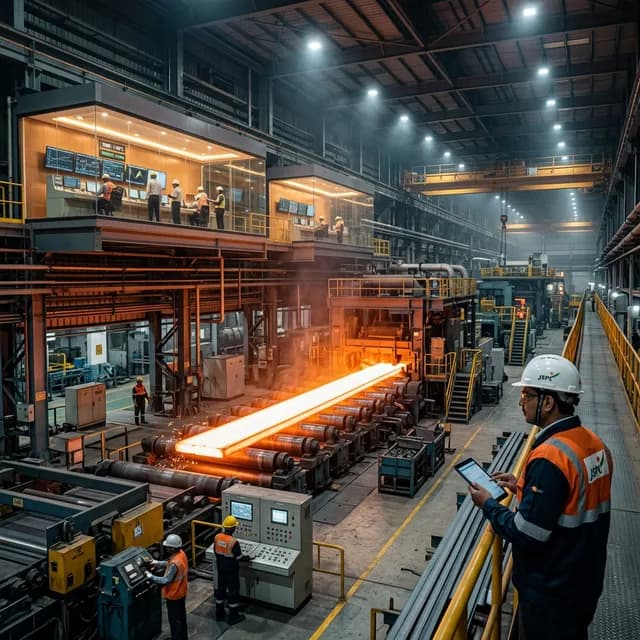
The European Union's Carbon Border Adjustment Mechanism (CBAM) is no longer a distant threat; it's a present reality for thousands of Indian manufacturers exporting to Europe. From steel mills in Jamshedpur to aluminium producers in Odisha, cement factories in Gujarat, and fertilizer plants across the nation, understanding and complying with Regulation (EU) 2023/956 is paramount. The transitional phase, which began in October 2023, requires meticulous quarterly reporting of embedded emissions. Come January 2026, the definitive phase will introduce financial obligations, making accurate reporting and strategic emission reduction critical for maintaining competitiveness.
For many Indian MSMEs and larger exporters, navigating the complexities of CBAM – from data collection and emission calculations to report generation and verification – feels like a daunting task. This is where a specialized CBAM consultant or service provider in India becomes indispensable. But with a growing number of firms claiming expertise, how do you differentiate between a true end-to-end partner and one that offers partial solutions or generic advice?
Choosing the right CBAM compliance service is a strategic decision that can significantly impact your operational efficiency, compliance risk, and ultimately, your bottom line. This comprehensive guide will equip Indian exporters with 12 critical questions to ask any potential CBAM consultant or service provider before committing, ensuring you select a partner that truly takes your entire CBAM headache away.
Key Takeaways
- CBAM is Urgent: The transitional phase is active, and definitive financial obligations begin in January 2026.
- Expertise is Key: Choose a CBAM service provider with deep knowledge of both EU regulations and Indian industrial contexts.
- End-to-End is Essential: Look for a partner that handles everything from data collection to report submission and verification.
- Avoid Software-Only Solutions: Many Indian exporters need a managed service, not just a tool they have to learn and operate themselves.
- Cost Savings: A good consultant can help optimize your emissions data, potentially saving up to 40% on future CBAM taxes compared to using EU default values.
Why Indian Exporters Need a Dedicated CBAM Compliance Partner
Indian exporters face unique challenges with CBAM, including fragmented data, varying levels of digital maturity across their supply chains, and a relatively nascent understanding of carbon accounting principles. The EU's CBAM regulation is complex, requiring precise calculation of direct and indirect emissions for each product at the installation level. This is not a task for general accounting firms or generic ESG consultants. You need a specialist who understands the nuances of Indian manufacturing processes, energy grids (like MSEDCL, UGVCL, TANGEDCO), and the specific data points required by Brussels.
A dedicated CBAM compliance partner acts as an extension of your team, providing the specialized knowledge and resources to ensure seamless compliance. This frees up your internal staff to focus on core business activities while mitigating the risks of non-compliance, which can include penalties ranging from €10 to €50 per tonne of unreported emissions, significant reputational damage, and even loss of market access.
1. Do You Offer End-to-End CBAM Compliance Services, or Just Software/Consultation?
This is perhaps the most crucial question. Many providers offer "CBAM software" or "CBAM tools" that still require your team to understand the regulations, input data correctly, and manage the entire process. For most Indian MSMEs and even larger manufacturers, what's needed is a fully managed, end-to-end CBAM compliance service.
What to look for: A partner who explicitly states they handle everything: from initial data gathering (e.g., collecting your electricity bills from MSEDCL, fuel invoices, production logs), calculating emissions according to EU methodologies, reaching out to your upstream suppliers for their emissions data, generating the XML reports, preparing for verification, coordinating with verifiers, and providing a ready-to-submit package to your EU importer. They should be your single point of contact for all CBAM-related tasks, essentially taking the entire burden off your shoulders. Avoid providers who expect you to learn their platform or do significant internal work.
2. What Specific Experience Do You Have with Indian Manufacturing Sectors (Steel, Cement, Aluminium, Fertilizers, Hydrogen)?
CBAM impacts specific sectors, and each has its own emission profile and data collection challenges. A consultant experienced with the steel industry in Ludhiana will understand blast furnace emissions, while one familiar with cement in Gujarat will know about clinker production and process emissions.
What to look for: Ask for case studies or references from clients within your specific sector in India. They should be able to discuss the unique challenges of your industry, such as specific emission factors for Indian raw materials, common energy sources, and typical production processes. This demonstrates practical, rather than theoretical, knowledge.
3. How Do You Handle Data Collection and Validation from Our Indian Factories and Supply Chain?
Data is the bedrock of CBAM compliance. Indian factories often have disparate data sources – manual logs, ERP systems, utility bills, and supplier declarations. Collecting, standardizing, and validating this data is a significant undertaking.
What to look for: The service provider should have a clear, structured process for data collection. This includes understanding what data points are needed (e.g., electricity consumption from TANGEDCO bills, natural gas usage, coke consumption, production volumes), how they will access it (e.g., secure data transfer, on-site visits, remote assistance), and how they will validate its accuracy. They should also have a strategy for engaging your upstream suppliers (e.g., for purchased clinker in cement, or iron ore pellets in steel) to obtain their embedded emissions data, as this is often the most challenging part. A robust process here is crucial for avoiding errors and potential penalties.
See what CBAM will cost your buyer
Free 30-second check — pick your product and tonnage, get your buyer-side savings number.
4. Can You Detail Your Methodology for Calculating Embedded Emissions According to EU Standards?
The EU CBAM methodology is precise and differs from other carbon accounting standards. It requires distinguishing between direct (Scope 1) and indirect (Scope 2) emissions, allocating emissions to specific products, and often involves complex calculations for process emissions.
What to look for: The consultant should be able to clearly explain their calculation methodology, referencing the specific annexes and articles of Regulation (EU) 2023/956 and its implementing acts. They should detail how they handle:
- Direct Emissions: Fuel combustion (e.g., coal, natural gas), process emissions (e.g., CO2 from calcination in cement).
- Indirect Emissions: Electricity consumption, using either actual supplier-specific emission factors (e.g., from MSEDCL if available) or national/EU averages.
- Allocation Rules: How emissions are attributed to specific products when multiple products are made in the same facility.
- Default Values vs. Actual Data: Their approach to minimizing reliance on higher EU default values by maximizing the use of your actual, verified data. This is where significant cost savings can be achieved.
5. How Do You Ensure Our CBAM Reports Are EU-Ready and What Support Do You Provide for the EU Importer?
The ultimate goal is to provide your EU importer with accurate, compliant reports that they can submit to the EU Commission. This often involves generating specific XML formats.
What to look for: The service provider must confirm they generate reports that meet all EU technical specifications, including the correct data fields and formats. They should also detail the level of support they offer for your EU importer – this could include direct communication, clarifications, and ensuring a smooth handoff of the final report package. A good partner will act as a bridge between your Indian operations and your EU importer's compliance needs.
6. What Is Your Strategy for Minimizing Our CBAM Liability and Achieving Cost Savings?
CBAM is a tax, and minimizing it is a key objective. Relying on EU default values can significantly inflate your costs. A proactive consultant will help you identify opportunities for optimization.
What to look for: Ask how they plan to help you reduce your CBAM liability. This involves:
- Accurate Data Collection: Prioritizing actual emissions data over default values.
- Emission Factor Sourcing: Helping you obtain specific emission factors for your electricity grid (e.g., from UGVCL, TANGEDCO) or fuels, rather than using generic ones.
- Process Optimization Insights: While not their primary role, a good consultant might highlight areas where emission reduction efforts could yield significant CBAM savings in the long run.
- Forecasting: Providing projections of your potential CBAM costs in INR and EUR based on your current emissions, allowing for better financial planning. For instance, accurately calculating emissions could save an Indian steel exporter in Pune €50,000 (approx. ₹45 lakhs) annually compared to using default values for just 10,000 tonnes of CO2e.
7. What Is Your Experience with CBAM Verification and Audits?
From 2026, CBAM reports will require verification by an accredited verifier. Preparing for this audit is critical.
What to look for: The consultant should have a clear understanding of the verification process and be able to guide you through it. This includes:
- Documentation Preparation: Helping you organize all underlying data and calculations for easy auditability.
- Verifier Coordination: Assisting in communication with accredited verifiers.
- Audit Support: Being available to answer verifier questions and provide necessary clarifications during the audit process. They should understand the requirements for ISO 14064-3 or similar verification standards.
8. How Do You Stay Updated with Evolving EU CBAM Regulations and Guidance?
CBAM is a new and evolving regulation. The EU Commission frequently issues new guidance, FAQs, and implementing acts. Your consultant needs to be on top of these changes.
What to look for: Inquire about their process for monitoring regulatory updates. Do they have dedicated teams tracking EU legislative developments? How do they disseminate this information to clients? A proactive partner will inform you of changes and their implications for your compliance strategy without you having to ask.
9. What Are Your Fees and What Is Included in Your Service Package?
Transparency in pricing is essential. CBAM compliance is an ongoing process, not a one-off project.
What to look for: Request a clear, itemized breakdown of costs. Understand whether the fee is per report, per year, based on product volume, or a fixed retainer. Clarify what is included and excluded. For example, does it cover supplier outreach? Verification support? Or are these extra? Be wary of extremely low quotes that might indicate a limited scope of service. A comprehensive end-to-end service for an average Indian MSME might range from ₹5 lakhs to ₹20 lakhs annually, depending on complexity and product portfolio, but this investment can prevent penalties and unlock significant tax savings.
10. Can You Provide References from Other Indian Exporters?
Past performance is a strong indicator of future success.
What to look for: Ask for references from other Indian manufacturers, ideally in your sector, who are currently using their CBAM compliance services. Speaking to existing clients can provide invaluable insights into their experience, the consultant's responsiveness, expertise, and overall effectiveness.
11. What Is Your Data Security and Confidentiality Policy?
You will be sharing sensitive operational and financial data with your CBAM compliance partner. Protecting this information is paramount.
What to look for: They should have robust data security protocols in place, including data encryption, access controls, and clear confidentiality agreements (NDAs). Ask about their data storage practices and compliance with relevant data protection regulations.
12. What Ongoing Support and Training Do You Provide to Our Team?
While an end-to-end service aims to take the burden off you, some level of internal understanding and collaboration is always beneficial.
What to look for: A good partner will offer ongoing support, answer your team's questions, and potentially provide basic training on CBAM concepts relevant to your operations. This helps build internal capacity and ensures smoother collaboration. They should be accessible and responsive to your queries throughout the compliance cycle.
2026 Regulatory Impact for Indian Exporters
The definitive phase of CBAM, commencing on January 1, 2026, marks a significant shift from reporting to financial obligation. Indian exporters must be fully prepared for this. From this date, EU importers will be required to purchase CBAM certificates corresponding to the embedded emissions of the goods they import. The price of these certificates will be linked to the weekly average auction price of EU Emissions Trading System (ETS) allowances, currently fluctuating but often around €60-€80 per tonne of CO2e.
Financial Obligations: This means that for every tonne of CO2e embedded in your products (after accounting for any carbon price paid in India, which is currently not recognized by the EU for CBAM purposes), your EU importer will incur a direct cost. For an Indian steel manufacturer in Jamshedpur exporting 100,000 tonnes of steel with an average embedded emission of 1.8 tonnes CO2e/tonne of steel, this could translate to a CBAM liability of approximately 180,000 tonnes CO2e. At €75/tonne, this is a direct cost of €13.5 million (approximately ₹120 crores) annually. This cost will inevitably be passed back to the Indian exporter, either through reduced purchase prices or direct charges.
Accurate Reporting Becomes Critical: The financial stakes make accurate, verified emissions data non-negotiable. Overstating emissions (even due to using default values) directly translates to higher costs. Understating emissions can lead to penalties and reputational damage. Indian exporters must have robust systems in place to calculate and verify their emissions to avoid these financial penalties and remain competitive in the EU market. Engaging a reliable CBAM compliance service India well before 2026 is not just advisable; it's a strategic imperative.
How CarbonSettle Can Help
Navigating the complexities of CBAM compliance doesn't have to be a burden for Indian exporters. CarbonSettle is India's #1 end-to-end CBAM compliance service, designed to take your entire CBAM headache away. We understand the unique challenges faced by Indian manufacturers in Ludhiana, Gujarat, Pune, Jamshedpur, and beyond.
We are not a software or a tool; we are your dedicated team of CBAM experts. Our managed CBAM service handles everything from start to finish:
- Data Collection & Management: We work directly with your factory teams to collect all necessary data – from electricity bills and fuel invoices to production logs and raw material consumption.
- Emission Calculations: Our specialists meticulously calculate your direct and indirect embedded emissions for each product, strictly adhering to Regulation (EU) 2023/956 methodologies.
- Supplier Outreach: We proactively engage with your upstream suppliers to gather their embedded emissions data, ensuring a complete and accurate picture.
- EU XML Report Generation: We prepare and generate the final EU-ready XML reports, ensuring technical compliance for your EU importer.
- Audit Preparation & Verifier Coordination: We help you prepare all necessary documentation for verification and coordinate with accredited verifiers to streamline the audit process.
- EU Importer Handoff: We provide a seamless handoff of verified reports to your EU importer, ensuring they have everything needed for submission.
By partnering with CarbonSettle, you don't need to hire new compliance staff, learn complex regulations, or invest in expensive software. Our expertise ensures you achieve full compliance, minimize your CBAM liability, and potentially save up to 40% on future CBAM
Frequently asked questions
What is CBAM and why is it important for Indian exporters?
What are the key deadlines for CBAM compliance for Indian companies?
How much can an Indian exporter save by using actual emissions data instead of EU default values?
What kind of data do I need to collect for CBAM reporting?
What are the penalties for non-compliance with CBAM?
Compliance disclaimer
Strategies described here are for educational purposes. CBAM regulations (EU 2023/956) evolve quarterly — always verify with your accredited verifier before filing definitive reports.
We’ll do your entire CBAM quarter — ₹0.
A dedicated CBAM expert plus our AI do the whole April–June 2026 report end-to-end: your factory data in, verified actual emissions out — so your buyer pays your real number, not the inflated EU default. The report is yours to keep.
Start your report by 30 September 2026 to claim the free quarter.
Bills, logs, photos — one afternoon.
Verified actuals, EU XML, audit standard.
Yours to keep. ₹0 this quarter.
Prefer to talk? +91 76250 95885 · or run a 30-second savings check first
The complete CBAM guide for Indian exporters
The full compliance roadmap — CN codes, emissions, deadlines, penalties and how to keep your EU orders.
More CBAM guidance for Indian exporters
 CBAM Strategy
EEPC India's CBAM Consultant Panel: How Empanelment Works and How Exporters Should Use It
Navigating EEPC India's CBAM Consultant Panel? This guide for Indian exporters explains empanelment, how to choose a consultant, and optimize your CBAM compliance strategy.
 CBAM Strategy
Why Indian Exporters Choose CBAM Managed Services Over DIY Software
Discover why Indian exporters prefer managed CBAM services over DIY software for compliance with EU regulations.
 CBAM Strategy
How EU Buyers Shortlist CBAM-Ready Suppliers: Inside the 2026 RFQ Process
Indian exporters, understand how EU buyers will shortlist CBAM-ready suppliers post-2026. This guide details the RFQ process, data requirements, and how to become a preferred partner. Get end-to-end CBAM compliance support from CarbonSettle.