---
title: "Reducing Coal Dependence in Steelmaking: Practical Steps That Cut CBAM Cost for Indian Exporters"
date: YYYY-MM-DD
description: "Indian steel exporters: Learn practical steps to reduce coal dependence, cut carbon emissions, and significantly lower your CBAM costs. Navigate EU CBAM with CarbonSettle's expert guidance."
category: CBAM Strategy
---

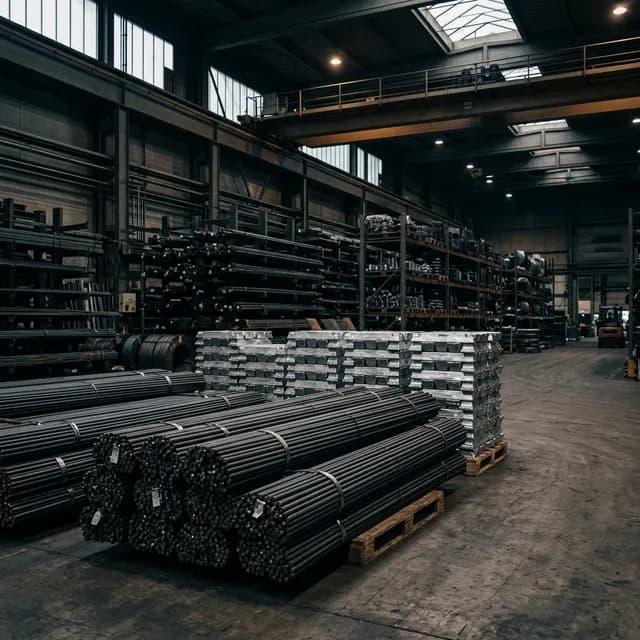
The European Union's Carbon Border Adjustment Mechanism (CBAM), established under Regulation (EU) 2023/956, is no longer a distant threat but a present reality for Indian steel manufacturers. As the world's second-largest steel producer, India's steel sector, heavily reliant on coal, faces a significant financial and operational challenge. This guide provides Indian MSMEs and large-scale steel exporters with practical, actionable strategies to reduce coal dependence, lower their embedded carbon emissions, and consequently, mitigate the financial impact of CBAM.

## Key Takeaways

*   **CBAM is Real and Costly:** The definitive phase of CBAM starting January 2026 will impose a direct carbon cost on high-emission steel imported into the EU, impacting profitability.
*   **Coal is the Core Challenge:** India's steel industry's reliance on coal for energy and as a reducing agent is the primary driver of high embedded emissions.
*   **Actionable Decarbonisation:** Practical steps like energy efficiency, scrap utilisation, fuel switching, and process optimisation can significantly reduce emissions.
*   **Data is Paramount:** Accurate, auditable data on emissions is crucial for reporting and avoiding punitive default values.
*   **Strategic Investment:** Investing in greener technologies now can turn a CBAM liability into a competitive advantage.
*   **Expert Partnership is Key:** Engaging a dedicated CBAM compliance service like CarbonSettle can de-risk the entire process, from data collection to verified reporting.

## Understanding the CBAM Impact on Indian Steel Exporters

The Carbon Border Adjustment Mechanism (CBAM) targets specific carbon-intensive goods, including iron and steel products, imported into the EU. For Indian steel exporters, this means that the embedded greenhouse gas (GHG) emissions of their products, from raw material extraction to the factory gate, will be subject to a carbon price equivalent to the EU's internal carbon price (ETS). The transitional phase, which began on October 1, 2023, requires quarterly reporting of these emissions, while the definitive phase, commencing January 1, 2026, will introduce financial obligations.

India's steel sector, particularly in industrial hubs like Jamshedpur, Ludhiana, and Bhilai, predominantly uses the Blast Furnace-Basic Oxygen Furnace (BF-BOF) route, which is highly coal-dependent. This reliance translates to higher embedded emissions per tonne of steel compared to less carbon-intensive methods. For example, a typical Indian integrated steel plant might have embedded emissions ranging from 2.0 to 2.5 tonnes of CO2e per tonne of crude steel, significantly higher than the EU average or best-in-class global benchmarks.

The financial implication is substantial. With EU carbon prices often fluctuating between €60-€100 per tonne of CO2e, a steel exporter with 2.0 tonnes of CO2e per tonne of steel could face a CBAM cost of €120-€200 (approximately ₹11,000 - ₹18,000) per tonne of steel exported. This direct cost will erode profit margins and impact competitiveness unless proactive steps are taken to reduce emissions. This is why understanding and acting on [CBAM for Indian exporters](/cbam-india-guide) is critical now.

## Why Coal Dependence is the Core Challenge for Indian Steel

Coal plays a multifaceted role in traditional steelmaking, making its reduction a complex but essential endeavor. In the integrated BF-BOF route, coal serves primarily two functions:

1.  **Energy Source:** Coking coal and non-coking coal are combusted to generate the high temperatures required for various processes, from iron ore sintering to reheating furnaces.
2.  **Reducing Agent:** Coking coal, in the form of coke, acts as the primary reducing agent in the blast furnace, chemically removing oxygen from iron ore to produce hot metal.

This dual role means that simply switching out coal for electricity isn't always straightforward without fundamental process changes. The high carbon content of coal directly contributes to significant CO2 emissions. Furthermore, the quality and availability of coking coal in India often necessitate imports, adding to operational complexities and costs. Addressing this challenge requires a multi-pronged strategy focusing on both energy efficiency and alternative reducing agents.
See what CBAM will cost your buyer
Free 30-second check — pick your product and tonnage, get your buyer-side savings number.
Practical Steps to Reduce Coal Dependence and Cut CBAM Costs
Indian steel manufacturers can implement a range of practical steps, from incremental improvements to strategic investments, to reduce their coal dependence and lower embedded emissions. These actions directly translate into reduced CBAM liabilities.
1. Enhancing Energy Efficiency Across Operations
Energy efficiency is often the lowest-hanging fruit for emission reduction and cost savings. Even without fundamental process changes, optimising energy use can yield significant results.
- Waste Heat Recovery (WHR): Steel plants generate vast amounts of waste heat from processes like coke dry quenching (CDQ), sintering, and hot rolling. Implementing WHR systems to generate steam or electricity can reduce the reliance on coal-fired boilers. For example, a typical integrated steel plant in Gujarat or Maharashtra could recover enough heat to generate 15-20% of its internal electricity needs, reducing coal consumption from utility providers like MSEDCL or UGVCL.
- Optimising Combustion: Fine-tuning burners, preheating combustion air, and improving insulation in furnaces and kilns can reduce fuel consumption. Regular maintenance and calibration of combustion equipment are crucial.
- Process Optimisation:
- Sinter Plant Optimisation: Reducing the coke rate in the sinter plant through improved raw material blending and operational control.
- Blast Furnace Modernisation: Implementing technologies like pulverised coal injection (PCI) to partially replace coke, or top gas recovery turbines (TRT) to generate power from blast furnace gas pressure.
- Rolling Mill Efficiency: Upgrading to energy-efficient motors, variable frequency drives (VFDs), and optimising rolling schedules to minimise idle time.
- LED Lighting and HVAC Upgrades: While seemingly minor, a large factory in Ludhiana or Pune can achieve substantial electricity savings by replacing traditional lighting with LEDs and upgrading inefficient heating, ventilation, and air conditioning systems.
Impact: Energy efficiency measures can typically reduce overall energy consumption by 5-15%, directly translating to a similar reduction in coal consumption and associated emissions. For a plant exporting 100,000 tonnes of steel with an initial 2.2 tCO2e/tonne, a 10% reduction means saving 0.22 tCO2e/tonne. At €80/tCO2e, this is a saving of €17.6 per tonne, or €1.76 million (approximately ₹16 crore) annually.
2. Increasing Scrap Utilisation
The Electric Arc Furnace (EAF) route, which primarily uses steel scrap as its raw material, has significantly lower embedded emissions compared to the BF-BOF route. While a complete switch may not be feasible for all Indian plants, increasing scrap charge in existing BF-BOF operations or setting up dedicated EAF units can be highly effective.
- Maximising Internal Scrap: Efficiently collecting and recycling internal scrap generated within the plant (e.g., from rolling mills, casting) reduces the need for virgin materials.
- Sourcing External Scrap: Developing robust supply chains for high-quality external scrap, both domestic and imported. India's growing automotive and construction sectors are increasing domestic scrap availability.
- Hot Briquetted Iron (HBI)/Direct Reduced Iron (DRI) as Charge: Using HBI or DRI, especially if produced with natural gas or green hydrogen, can significantly lower the carbon intensity of the furnace charge.
Impact: Each tonne of steel produced from scrap can avoid approximately 1.5-2.0 tonnes of CO2e compared to primary steelmaking. Even a 10-20% increase in scrap utilisation in a BOF can yield substantial emission reductions. This is a crucial strategy for lowering your India CBAM Cost Index.
3. Fuel Switching and Renewable Energy Integration
Moving away from coal as a direct fuel source is a powerful decarbonisation lever.
- Natural Gas Substitution: Where available, switching from coal or fuel oil to natural gas in reheating furnaces, boilers, and other auxiliary processes can reduce CO2 emissions by 25-30% due to its lower carbon content. While natural gas still produces emissions, it's a significant step down from coal.
- Biomass/Bio-coke: Exploring the use of biomass or bio-coke as a partial substitute for coking coal in blast furnaces, though this is often limited by availability and technical challenges.
- On-site Renewable Energy: Installing solar power (rooftop or ground-mounted) or wind power for captive consumption can reduce reliance on grid electricity, especially if the grid is coal-intensive (like much of India's). For instance, a steel plant in Rajasthan or Gujarat could leverage abundant solar and wind resources.
- Green Power Purchase Agreements (PPAs): Sourcing renewable energy directly from independent power producers through PPAs can significantly decarbonise purchased electricity, a major component of Scope 2 emissions. This is particularly relevant for plants drawing power from utilities like TANGEDCO or MSEDCL, where the grid mix is still carbon-intensive.
Impact: The impact varies significantly. A complete switch from coal to natural gas for a specific process can cut emissions from that process by up to 30%. Sourcing 100% renewable electricity for a plant could reduce its Scope 2 emissions to near zero, potentially lowering overall embedded emissions by 0.2-0.5 tCO2e/tonne of steel.
4. Process Innovation and Breakthrough Technologies
While these require more significant capital investment and longer lead times, they represent the future of low-carbon steelmaking.
- Hydrogen-based Direct Reduced Iron (H-DRI): This is the most promising long-term solution. Using green hydrogen (produced from renewable electricity) as a reducing agent instead of coal/natural gas can virtually eliminate process emissions from ironmaking. Several pilot projects are underway globally, and Indian steel majors are also exploring this.
- Carbon Capture, Utilisation, and Storage (CCUS): Capturing CO2 emissions from blast furnaces or other high-emission points and either storing them geologically or utilising them in other industrial processes. While technically challenging and costly, it's a viable option for existing integrated plants.
- Electrification of Processes: Where possible, electrifying processes that currently rely on fossil fuels, especially if the electricity is from renewable sources.
Impact: H-DRI can reduce embedded emissions by 80-95%, bringing steel production close to zero emissions. CCUS can capture 70-90% of emissions from the point of capture. These transformative technologies will be key to long-term CBAM competitiveness.
Data Collection and Reporting: The Foundation of CBAM Compliance
Reducing emissions is only half the battle; accurately measuring and reporting them is equally critical. The EU's CBAM Regulation (EU) 2023/956 mandates precise data collection.
- Identify Relevant HS/CN Codes: Verify that your exported steel products fall under the CBAM scope. A comprehensive CBAM CN code directory is essential for this.
- Map Production Processes: Detail every step of your steel production, from raw material inputs (iron ore, coke, scrap, ferroalloys) to the final product.
- Collect Activity Data: Gather data on fuel consumption (coal, natural gas, electricity), raw material inputs, and production volumes. This includes:
- Fuel Invoices: Quantities and types of coal, natural gas, furnace oil consumed.
- Electricity Bills: Consumption from utilities like MSEDCL, UGVCL, TANGEDCO. Differentiate between grid electricity and any captive renewable generation.
- Material Purchase Records: Quantities of iron ore, scrap, limestone, etc.
- Production Logs: Daily/monthly output of crude steel, finished products.
- Determine Emission Factors: Apply appropriate emission factors to your activity data.
- Fuel-specific factors: For coal, natural gas, etc. (e.g., from IPCC guidelines or national databases).
- Electricity emission factors: Use specific factors from your utility provider if available, or national grid averages.
- Process emission factors: For emissions from chemical reactions (e.g., calcination of limestone).
- Calculate Embedded Emissions: Sum up direct (Scope 1) and indirect (Scope 2) emissions attributable to your product. The methodology is complex, requiring allocation rules for co-produced goods and specific calculations for different production routes.
- Engage Suppliers: For complex products, you may need to collect embedded emissions data from your upstream suppliers (e.g., for ferroalloys, refractories). This "supplier outreach" is a critical, often overlooked, and time-consuming step.
- Maintain Audit Trails: All data must be verifiable. Keep meticulous records of invoices, meter readings, production logs, and calculation methodologies.
Consequences of Poor Data: If an Indian exporter cannot provide verified emissions data, the EU importer will be forced to use default values, which are typically much higher and more punitive. These default values can be up to 20% higher than the average emissions of the worst-performing EU installations for that product, significantly increasing your CBAM cost. This is why investing in end-to-end CBAM compliance services is crucial.
2026 Regulatory Impact for Indian Exporters: The Definitive Phase
The definitive phase of CBAM, starting January 1, 2026, marks the transition from reporting to financial liability. This is where the true "EU carbon tax India" comes into play.
From 2026, EU importers of CBAM goods (including steel) will be required to purchase and surrender "CBAM certificates" corresponding to the embedded emissions of the imported products. The price of these certificates will be linked to the average weekly closing price of EU Emissions Trading System (ETS) allowances, expressed in €/tonne of CO2e.
Key Impacts:
- Direct Financial Cost: Indian exporters will effectively bear this cost, either directly by paying their EU importers for the certificates or indirectly through reduced purchase prices. This is not a theoretical cost; it's a real hit to profitability.
- Competitive Disadvantage: Exporters with high embedded emissions will face higher costs, making their products less competitive against lower-emission alternatives or EU-produced goods.
- Verification Requirements: Emissions reports will need to be verified by an accredited third-party verifier. This adds another layer of compliance and cost.
- Strategic Sourcing Shifts: EU importers will increasingly favour Indian suppliers who can demonstrate lower embedded emissions, creating a market incentive for decarbonisation.
- Penalties: Non-compliance or inaccurate reporting during the definitive phase can lead to significant penalties for the EU importer, which will undoubtedly be passed back to the Indian exporter.
Indian steel companies, particularly those in industrial clusters like Gujarat and Punjab, must start preparing now. This involves not just understanding the regulations but actively implementing decarbonisation strategies and establishing robust internal systems for data collection and reporting.
How CarbonSettle Can Help
Navigating the complexities of CBAM, especially for a carbon-intensive sector like steel, can be daunting. From deciphering Regulation (EU) 2023/956 to meticulously collecting granular factory data and generating EU-compliant reports, the process demands specialised expertise and significant resources. This is where CarbonSettle, **India's #1 end-to-end CB
Frequently asked questions
What is the primary goal of CBAM for Indian steel exporters?
How can Indian MSMEs in the steel sector afford these decarbonisation investments?
What are the penalties for non-compliance with CBAM reporting during the transitional phase?
How does CarbonSettle help Indian steel exporters with CBAM compliance?
What is the difference between direct and indirect emissions for CBAM reporting?
Compliance disclaimer
Strategies described here are for educational purposes. CBAM regulations (EU 2023/956) evolve quarterly — always verify with your accredited verifier before filing definitive reports.
We’ll do your entire CBAM quarter — ₹0.
A dedicated CBAM expert plus our AI do the whole April–June 2026 report end-to-end: your factory data in, verified actual emissions out — so your buyer pays your real number, not the inflated EU default. The report is yours to keep.
Start your report by 30 September 2026 to claim the free quarter.
Bills, logs, photos — one afternoon.
Verified actuals, EU XML, audit standard.
Yours to keep. ₹0 this quarter.
Prefer to talk? +91 76250 95885 · or run a 30-second savings check first
The complete CBAM guide for Indian exporters
The full compliance roadmap — CN codes, emissions, deadlines, penalties and how to keep your EU orders.
More CBAM guidance for Indian exporters
 Compliance
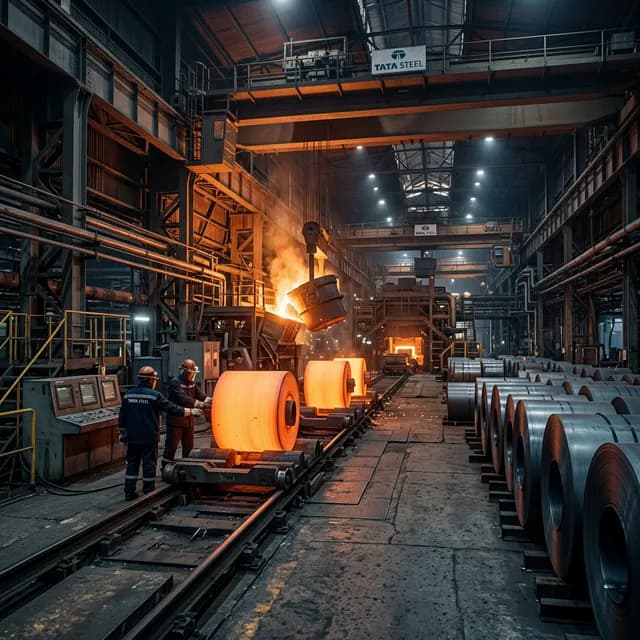
How CBAM Is Reshaping India-EU Steel and Aluminium Trade Flows
EU CBAM compliance guide.
 Compliance
CBAM for Hydrogen and Ammonia Exporters from India: Rules, CN Codes and the Green-Hydrogen Opening
EU CBAM compliance guide.
 Compliance
Steel Wire Rope and Cable: CBAM Classification for Indian Rope Makers
EU CBAM compliance guide.