---
title: "UK CBAM 2027: What Indian Steel and Aluminium Exporters to Britain Must Prepare Now"
date: YYYY-MM-DD
description: "Indian steel and aluminium exporters to the UK face a new carbon tax by 2027. Learn how to prepare for UK CBAM, calculate emissions, and ensure compliance. CarbonSettle offers end-to-end CBAM services for Indian MSMEs."
category: Compliance Updates
---

The United Kingdom is set to implement its own Carbon Border Adjustment Mechanism (UK CBAM) by 2027, mirroring the European Union's initiative. This new regulation will significantly impact Indian exporters, particularly those in the steel and aluminium sectors, who supply goods to the UK market. Understanding and preparing for UK CBAM now is not just about compliance; it's about maintaining market access and competitive advantage.

## Key Takeaways

*   **UK CBAM by 2027:** The UK will introduce its CBAM by 2027, initially covering aluminium, cement, ceramics, fertilisers, glass, hydrogen, iron, and steel.
*   **Impact on Indian Exporters:** Indian manufacturers, especially those in Ludhiana's steel industry or Gujarat's aluminium sector, must start tracking embedded emissions now to avoid future penalties and maintain UK market access.
*   **Data is King:** Accurate and verifiable data on direct and indirect emissions (Scope 1 and Scope 2) from your production processes is crucial. This includes electricity consumption, fuel usage, and process emissions.
*   **Financial Implications:** Non-compliance or reliance on default emission values could lead to higher carbon costs (potentially ₹3,000-₹5,000 per tonne of CO2e initially, increasing over time), impacting profitability.
*   **Proactive Preparation:** Begin by identifying your products' HS/CN codes, mapping your supply chain, and establishing robust data collection systems.
*   **CarbonSettle as Your Partner:** CarbonSettle provides end-to-end UK CBAM compliance services, handling everything from data collection and emission calculations to report generation and coordination with UK importers, allowing Indian exporters to focus on their core business.

## What is the UK CBAM and Why is it Being Introduced?

The UK Carbon Border Adjustment Mechanism (UK CBAM), slated for implementation by 2027, is a levy on the carbon emissions embedded in certain imported goods. Its primary purpose, much like the EU CBAM, is to prevent "carbon leakage." Carbon leakage occurs when companies move carbon-intensive production to countries with less stringent climate policies to avoid domestic carbon costs, undermining the UK's climate efforts and putting UK businesses at a disadvantage.

By imposing a charge on the embedded emissions of imported goods, the UK CBAM aims to:

1.  **Level the Playing Field:** Ensure that imported goods face a similar carbon cost to goods produced within the UK, where domestic industries are subject to the UK Emissions Trading Scheme (UK ETS). This prevents UK manufacturers, such as steel mills in Jamshedpur with UK exports, from being undercut by cheaper, high-carbon imports.
2.  **Incentivise Decarbonisation:** Encourage global manufacturers, including those in India, to reduce their carbon footprint by making high-carbon products more expensive in the UK market.
3.  **Support Climate Goals:** Reinforce the UK's commitment to achieving its net-zero targets by 2050, aligning trade policy with environmental objectives.

The UK government announced its intention to introduce the UK CBAM in December 2023, following extensive consultations. The mechanism will initially cover imports of aluminium, cement, ceramics, fertilisers, glass, hydrogen, iron, and steel – sectors that are both energy-intensive and critical for India's export economy. For Indian MSMEs exporting steel products from Ludhiana or aluminium components from Gujarat, this means a significant shift in how their products are priced and perceived in the UK market.

## Who Will Be Affected by UK CBAM? Indian Steel and Aluminium Exporters in Focus

The UK CBAM will directly affect any Indian manufacturer exporting goods within the specified categories to the United Kingdom. Given the UK's initial scope, Indian steel and aluminium exporters will be among the most impacted.

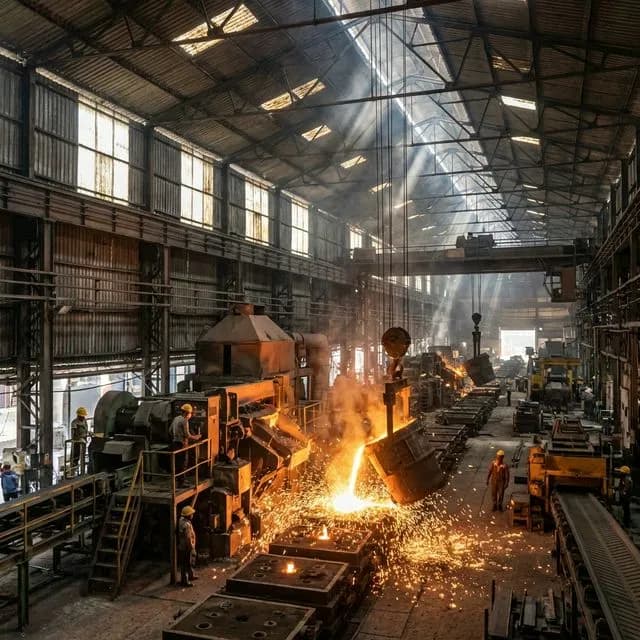
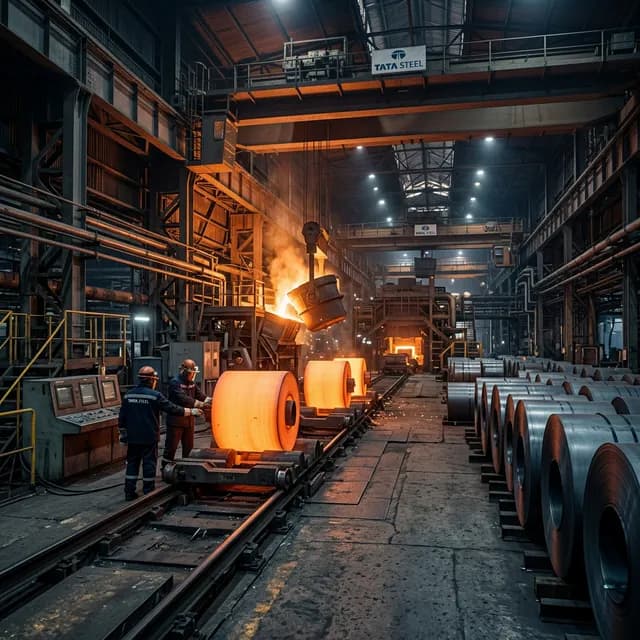
**Indian Steel Exporters:** India is a major global steel producer and a significant exporter to the UK. Companies producing hot-rolled coils, cold-rolled sheets, rebar, pipes, and other steel products will need to accurately measure and report the embedded emissions in their products. This includes integrated steel plants in Jamshedpur or smaller rolling mills in Punjab that source semi-finished goods. The entire production chain, from raw material extraction (e.g., iron ore mining) to the final finished product, will be scrutinised for its carbon intensity.

**Indian Aluminium Exporters:** Similarly, Indian aluminium producers, from primary smelters to downstream manufacturers of aluminium extrusions, sheets, and foils, will fall under the UK CBAM's purview. Companies in Gujarat or Odisha exporting aluminium products to the UK will need to account for emissions from electricity consumption (a major component in aluminium smelting), anode production, and other process emissions.

**Indirect Impacts on MSMEs:** While large corporations might have dedicated sustainability teams, Indian MSMEs, which form the backbone of many export sectors, will face a steeper learning curve. A small-scale rebar manufacturer in Ludhiana or an aluminium casting unit in Pune, exporting to the UK, might not have the in-house expertise or resources to navigate complex carbon accounting. This is where external support becomes critical.

Furthermore, the impact extends beyond direct exporters. Indian companies supplying intermediate goods (e.g., specific alloys, components) to larger Indian manufacturers who then export to the UK will also need to provide their carbon data. The entire supply chain will need to become transparent regarding embedded emissions.
See what CBAM will cost your buyer
Free 30-second check — pick your product and tonnage, get your buyer-side savings number.
Understanding the UK CBAM Scope: Products and Emissions
The UK CBAM will initially apply to specific goods classified under certain HS (Harmonised System) codes, similar to the EU CBAM's CN (Combined Nomenclature) codes. The UK government has indicated the following product categories:
- Aluminium: Primary aluminium, aluminium alloys, and various semi-finished and finished aluminium products.
- Cement: Clinker, Portland cement, and other hydraulic cements.
- Ceramics: Certain ceramic products.
- Fertilisers: Ammonia, nitric acid, and various nitrogenous, phosphatic, and potassic fertilisers.
- Glass: Specific glass products.
- Hydrogen: Both grey and green hydrogen.
- Iron and Steel: A wide range of iron and steel products, including raw iron, semi-finished products (billets, blooms, slabs), and finished products (bars, rods, sheets, tubes, pipes).
What Emissions Need to Be Accounted For?
The UK CBAM will require the reporting of direct emissions (Scope 1) and indirect emissions (Scope 2) embedded in the imported goods.
-
Direct Emissions (Scope 1): These are greenhouse gas (GHG) emissions released directly from sources owned or controlled by the reporting entity. For an Indian steel plant, this would include:
- Emissions from burning fossil fuels (coal, natural gas, oil) in furnaces, boilers, and other industrial processes.
- Process emissions from chemical reactions, such as the reduction of iron ore in blast furnaces or the calcination of limestone in cement production.
- Emissions from on-site vehicles or equipment.
-
Indirect Emissions (Scope 2): These are GHG emissions from the generation of purchased electricity, heat, or steam consumed by the reporting entity. For an Indian aluminium smelter, this is a massive component, as electricity is a primary input.
- Emissions associated with the electricity purchased from the grid (e.g., MSEDCL in Maharashtra, UGVCL in Gujarat, TANGEDCO in Tamil Nadu). The carbon intensity of the grid electricity (how much CO2 is emitted per unit of electricity generated) is crucial here.
- Emissions from purchased heat or steam.
Supply Chain Emissions (Scope 3): While the initial focus is on Scope 1 and Scope 2, the UK CBAM, like its EU counterpart, may eventually expand to include certain upstream (Scope 3) emissions, such as those from raw material extraction and transportation. Indian exporters should therefore start thinking about their entire value chain's carbon footprint.
Accurate identification of the HS/CN codes for your specific products is the first critical step. You can refer to resources like the CBAM CN code directory to understand the classifications.
Practical Steps for Indian Exporters to Prepare for UK CBAM 2027
Preparing for UK CBAM 2027 requires a structured, proactive approach. Indian exporters cannot afford to wait until the definitive phase. Here are the actionable steps:
1. Identify Your Products and Their UK CBAM Relevance
- HS Code Verification: Begin by meticulously verifying the Harmonised System (HS) codes of all your products exported to the UK. Cross-reference these with the UK government's published list of CBAM-covered goods. This will confirm if your products fall under the scope.
- Product Segmentation: If only some of your products are covered, segment your production lines and associated data accordingly.
2. Establish Robust Data Collection Systems
This is the most critical and often the most challenging step for Indian MSMEs. You need to collect verifiable data on all inputs and outputs associated with the production of your CBAM-relevant goods.
- Electricity Consumption:
- Track monthly or even daily electricity consumption for each production facility or line.
- Collect electricity bills from utility providers like MSEDCL, UGVCL, or TANGEDCO. Note down the units consumed (kWh) and the specific period.
- If you have captive power generation, track fuel consumption (coal, natural gas, diesel) for those generators.
- Fuel Consumption:
- Record the type and quantity of all fuels consumed (e.g., coal, natural gas, furnace oil, diesel) for heating, power generation, and process use.
- Maintain purchase invoices and consumption logs.
- Raw Material Inputs:
- For steel, track iron ore, coke, limestone, scrap metal inputs.
- For aluminium, track alumina, cryolite, carbon anodes.
- While raw material emissions aren't directly Scope 1/2, their quantity impacts process emissions and future Scope 3 considerations.
- Production Output:
- Maintain accurate records of the quantity of finished goods produced (in tonnes, kg, etc.) during the same reporting period as your energy and fuel consumption.
- Process Parameters:
- Record any specific process data relevant to emissions, such as the amount of waste gases flared, or the efficiency of pollution control equipment.
3. Calculate Embedded Emissions
Once data is collected, the next step is to calculate the embedded emissions (Scope 1 and Scope 2) for each unit of your product.
- Emission Factors: You will need to apply appropriate emission factors to your consumption data.
- Fuel Emission Factors: These are typically well-established (e.g., x kg CO2e per litre of diesel or per cubic meter of natural gas).
- Electricity Emission Factors: This is crucial for India. The carbon intensity of the Indian grid varies by region and over time. You might need to use national average grid emission factors (published by agencies like the Central Electricity Authority) or, ideally, supplier-specific factors if available. Using an average Indian grid factor might still be higher than UK grid factors, potentially increasing your CBAM liability.
- Attribution: Accurately attribute emissions to specific products. If you have multiple product lines sharing common utilities, you'll need a robust methodology for allocation (e.g., based on production volume, energy intensity, or mass balance).
- Third-Party Verification: While not mandatory in the transitional phase, having your calculations verified by an independent third party will build credibility and prepare you for the definitive phase.
4. Engage with Your Supply Chain
- Upstream Suppliers: If you import semi-finished goods or high-emission raw materials (e.g., specific alloys, clinker) from other Indian or international suppliers, you will eventually need their embedded emission data. Start the conversation now.
- Downstream UK Importers: Your UK importers will be legally responsible for reporting and paying the UK CBAM. Establish clear communication channels with them. They will need your verified emission data to fulfil their obligations. Proactively providing this data will make you a preferred supplier.
5. Prepare for Reporting
- Reporting Format: The UK government will specify the exact reporting format. It is likely to be similar to the EU's XML-based reporting, requiring structured data submission.
- Documentation: Keep all source data (electricity bills, fuel invoices, production records, emission factor sources) meticulously organised and readily accessible for potential audits.
6. Explore Decarbonisation Opportunities
- Energy Efficiency: Invest in energy-efficient technologies (e.g., LED lighting, VFDs for motors, process optimisation).
- Renewable Energy: Explore options for sourcing renewable energy, either directly (on-site solar/wind) or through Power Purchase Agreements (PPAs) with green energy providers. This can significantly reduce your Scope 2 emissions.
- Process Improvements: Investigate technologies and process changes that reduce direct emissions (e.g., switching to lower-carbon fuels, carbon capture technologies).
By taking these steps, Indian exporters can transform a potential compliance burden into a strategic advantage, demonstrating their commitment to sustainability and securing their position in the UK market. For many Indian MSMEs, navigating these complexities alone can be daunting. This is where dedicated services like CarbonSettle become invaluable.
2027 Regulatory Impact for Indian Exporters: The Definitive Phase
While the UK CBAM will likely have a transitional phase for data collection and reporting (similar to the EU CBAM's 2023-2025 period), the definitive phase starting in 2027 will introduce direct financial obligations. This is when the "carbon tax" truly comes into play.
Financial Obligations and Carbon Costs:
From 2027, UK importers will be required to purchase UK CBAM certificates corresponding to the embedded emissions of the imported goods. The price of these certificates will likely be linked to the prevailing carbon price in the UK Emissions Trading Scheme (UK ETS).
- Illustrative Cost: If the UK ETS carbon price is, for example, £75 per tonne of CO2e (approximately ₹7,500 at an exchange rate of ₹100/£), and your steel product has an embedded emission intensity of 1.5 tonnes CO2e per tonne of steel, then the CBAM cost would be £112.5 per tonne of steel (₹11,250).
- Default Values: If an Indian exporter cannot provide verified emission data, the UK importer will be forced to use default emission values, which are typically set at higher, more conservative levels. This could result in a significantly higher CBAM cost, potentially increasing your product's landed cost by 20-40% compared to providing actual, lower emissions data. For an Indian MSME, this could mean an additional burden of ₹3,000-₹5,000 per tonne of CO2e, making their products uncompetitive.
- Credit for Carbon Pricing: If the Indian exporter has already paid a carbon price in India (e.g., through a domestic carbon tax or participation in a local ETS), this amount may be deducted from the UK CBAM liability, preventing double taxation. However, India's carbon pricing mechanisms are still evolving, so this credit might not be immediately available or fully cover the UK CBAM cost.
Compliance Penalties:
Failure to comply with UK CBAM reporting requirements in the definitive phase could lead to significant penalties for UK importers, which will inevitably be passed back to the Indian exporter. These penalties could include:
- Fines for incorrect or incomplete reporting.
- Penalties for late submission.
- Potential restrictions on market access if compliance is consistently poor.
Impact on Competitiveness:
Indian exporters who proactively measure and reduce their emissions will gain a significant competitive advantage. They can offer products with lower embedded carbon, which translates to lower UK CBAM costs for their importers. This makes their products more attractive in the UK market. Conversely, those who ignore the UK CBAM risk losing market share to more compliant and carbon-efficient competitors.
The definitive phase of UK CBAM is not just a reporting exercise; it's a financial and strategic imperative that demands immediate attention and robust preparation from Indian manufacturing companies.
Comparing UK CBAM and EU CBAM: Key Similarities and Differences
While the UK CBAM draws heavily from the EU CBAM (Regulation (EU) 2023/956), there will be specific nuances that Indian exporters need to be aware of.
Similarities:
- Objective: Both mechanisms aim to prevent carbon leakage and level the playing field for domestic industries subject to carbon pricing.
- Product Scope: Both initially target energy-intensive sectors like steel, aluminium, cement, and fertilisers. The UK's initial scope also includes ceramics, glass, and hydrogen, which are also covered by the EU.
- Emissions Covered: Both focus on direct (Scope 1) and indirect (Scope 2) emissions embedded in the imported goods.
- Reporting Requirements: Both will require detailed reporting of embedded emissions, likely with a transitional phase for data collection before financial obligations begin.
- Carbon Price Linkage: Both mechanisms link the border adjustment charge to their respective domestic carbon prices (UK ETS for UK CBAM, EU ETS for EU CBAM).
- Credit for Foreign Carbon Pricing: Both mechanisms are expected to allow for a reduction in CBAM liability if an equivalent carbon price has already been paid in the country of origin.
Potential Differences:
- Implementation Timeline: EU CBAM's transitional phase began in October 2023, with the definitive phase starting January 2026. UK CBAM is slated for implementation by 2027, suggesting a slightly later definitive phase. Indian exporters might have a bit more time for the UK, but the underlying preparation is largely the same.
- **Specific Product Classifications
Compliance disclaimer
Strategies described here are for educational purposes. CBAM regulations (EU 2023/956) evolve quarterly — always verify with your accredited verifier before filing definitive reports.
We’ll do your entire CBAM quarter — ₹0.
A dedicated CBAM expert plus our AI do the whole April–June 2026 report end-to-end: your factory data in, verified actual emissions out — so your buyer pays your real number, not the inflated EU default. The report is yours to keep.
Start your report by 30 September 2026 to claim the free quarter.
Bills, logs, photos — one afternoon.
Verified actuals, EU XML, audit standard.
Yours to keep. ₹0 this quarter.
Prefer to talk? +91 76250 95885 · or run a 30-second savings check first
The complete CBAM guide for Indian exporters
The full compliance roadmap — CN codes, emissions, deadlines, penalties and how to keep your EU orders.
More CBAM guidance for Indian exporters
 Compliance
How CBAM Is Reshaping India-EU Steel and Aluminium Trade Flows
EU CBAM compliance guide.
 Compliance
Steel Wire Rope and Cable: CBAM Classification for Indian Rope Makers
EU CBAM compliance guide.
ComplianceHow the Free Allowance Phase-Down Raises CBAM Pressure on Indian Steel
EU CBAM compliance guide.